Sample information |
|
| Picture |
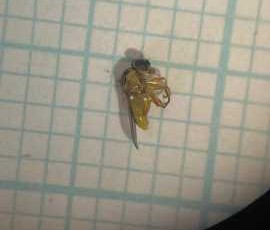
|
|---|---|
| Location | Approximate location: 47.09, 8.45 |
| Collection date | 03/26/2026 |
| Captive / Cultivated? | Wild-caught |
| Group | |
| Observations | – |
| Putative identification | Arthropoda Insecta Diptera Syrphidae Sphaerophoria |
Methods |
|
| Extraction kit | Edwards Buffer |
| DNA extraction location | Whole arthropod |
| Single or Duplex PCR | Duplex Reaction |
| Gel electrophoresis system | MiniOne |
| Buffer | TAE |
| DNA stain | Cyber Green |
| Gel images |
|
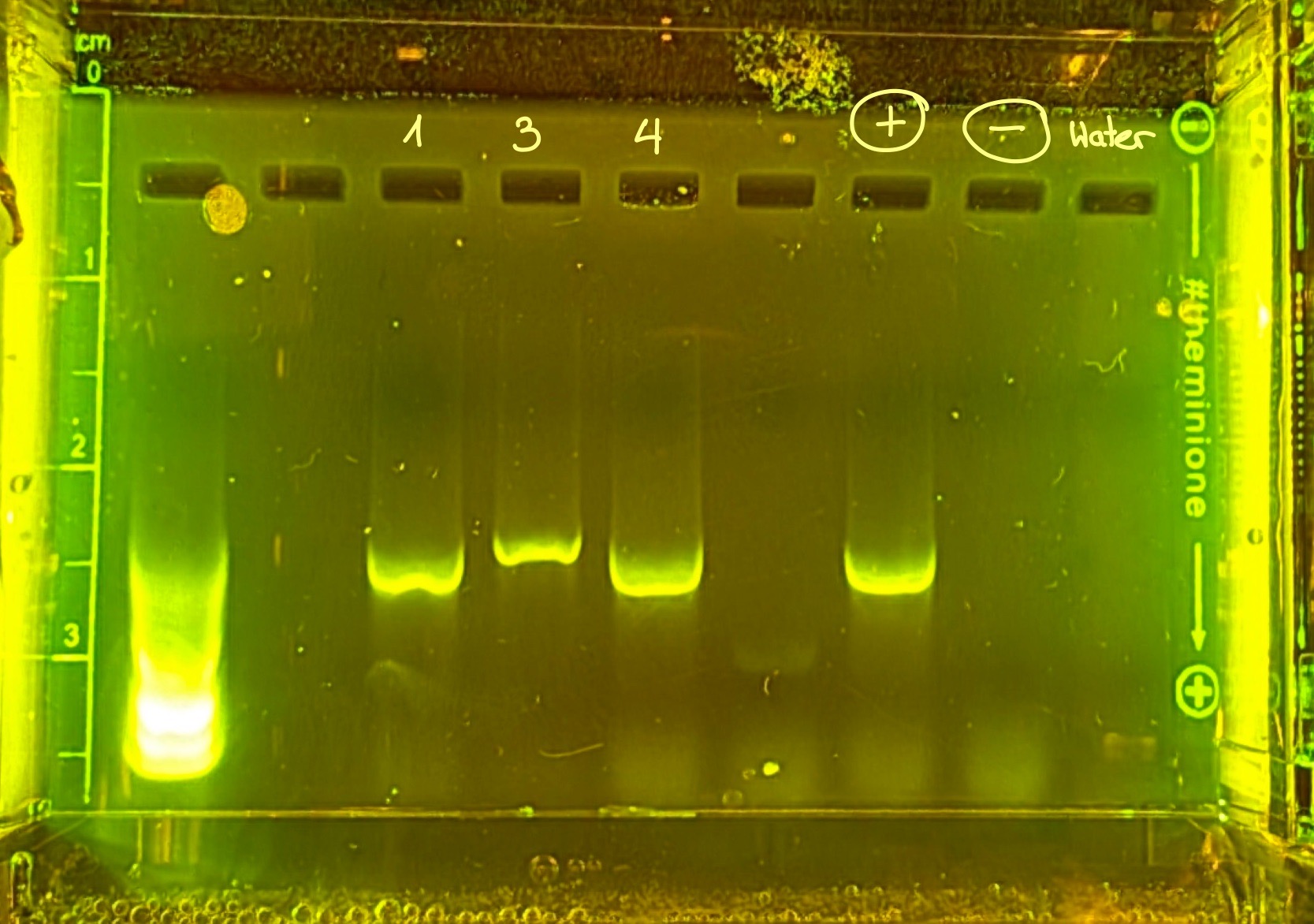
| Protocol notes | During the preperation in the Lab for the Gel electrophoresis, we committed the mistake of having moved the little DNA we had won from the Sphaerophoria many times. We believe that this process lead to an adulteration of the expected results, which are therefore invalid. To however understand our Results from the Gel we have listed the contends of each number in the following:
+. Wolbachia positiv tested Insect -. Wolbachia negativ tested Insect Technical Overview of the Procedure This DNA extraction protocol is based on a widely used cell lysis technique described by Edwards et al. (1991). The purpose of each step is explained below. Sample Preparation Each sample is rinsed with water to remove any alcohol-based preservative. Cell Lysis Each sample is soaked in a cell lysis solution called Edwards Buffer, which breaks open the cell and nuclear membranes. This releases the DNA, but also exposes it to proteases such as nucleases that can degrade it. Therefore, the lysis buffer contains several components that both lyse the cells and inhibit nuclease activity:
Removal of Cellular Debris To obtain purified DNA, cellular debris is removed by centrifugation. At this stage, the DNA remains dissolved in the lysis buffer and stays in the supernatant. DNA Precipitation and Purification This protocol includes both an isopropanol precipitation step and an ethanol wash. Cold isopropanol rapidly precipitates the DNA, while the ethanol wash removes excess salts and other alcohol-soluble biomolecules. The ethanol wash also reduces the time needed to air-dry the DNA pellet. DNA Elution The DNA elution buffer dissolves genomic DNA and protects it from degradation. For most laboratory applications, including PCR, a TE-based buffer (containing Tris and EDTA) is preferred over water because it dissolves DNA more efficiently and protects it from nuclease activity as well as repeated freeze–thaw cycles |
Results |
|
| Wolbachia presence | Unknown |
| Confidence level | High |
| Explanation of confidence level | Due to errors that are likely to have occured during the extraction and procedure of the DNA, we believe that the Gel image showes a wrong depiction of the genetic information. |
| Wolbachia 16S sequence | |
| Arthropod COI sequence |
|
| Summary | |
 (no title)
 Yellowjacket Wasp
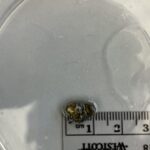 Pillbug
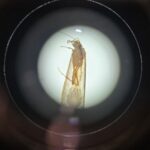 Umpachene Falls Caddisfly
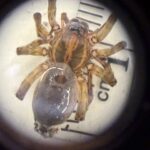 Wolf Spider