Sample information |
|
| Picture |
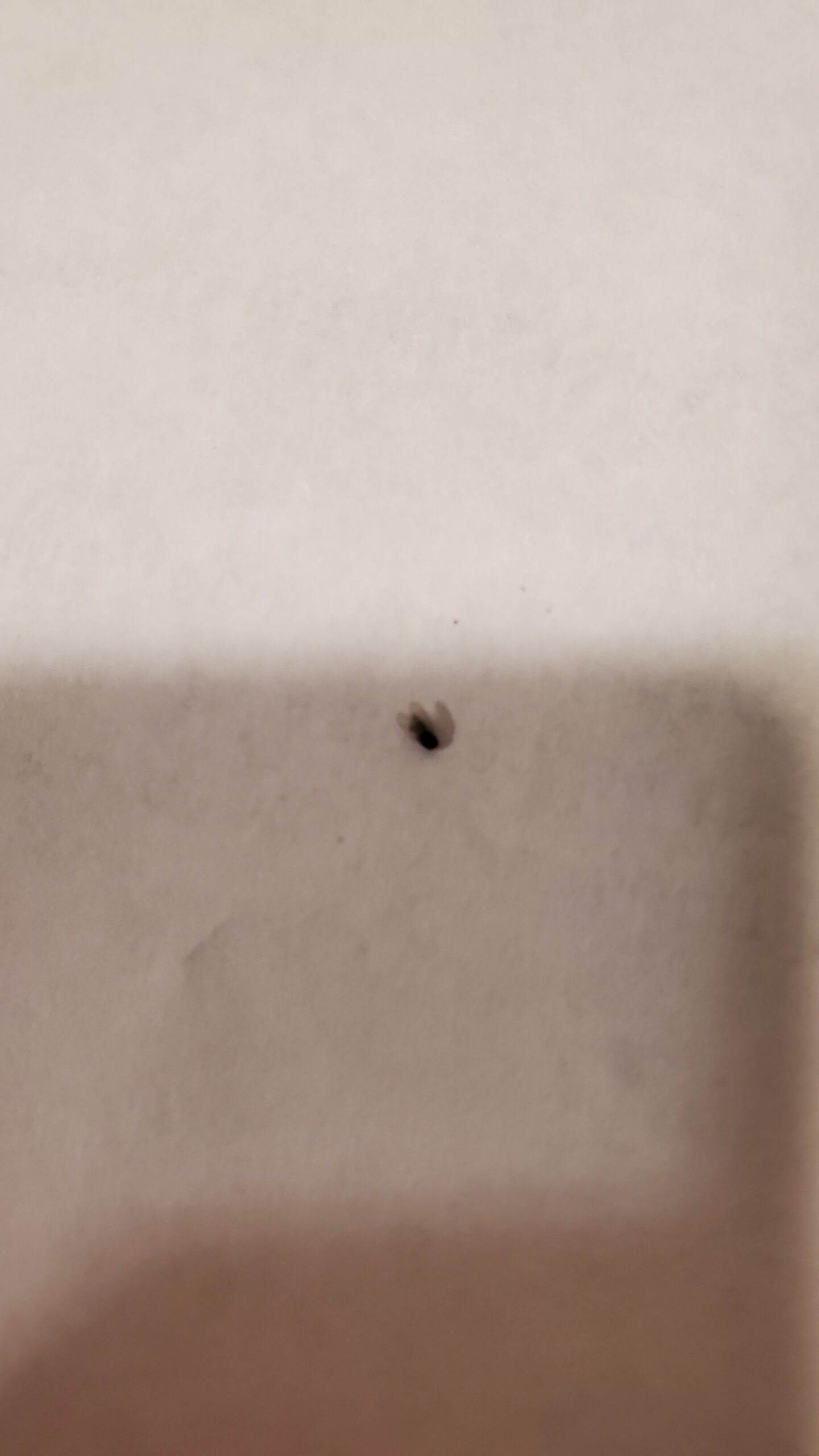
|
|---|---|
| Location | No map location data available. |
| Collection date | 05/13/2026 |
| Captive / Cultivated? | Wild-caught |
| Group | Winston Knoll Collegiate |
| Observations |
|
| Putative identification | Arthropoda Insecta Diptera Drosophilidae Drosophila Drosophila melanogaster |
Methods |
|
| Extraction kit | Qiagen DNeasy Blood and Tissue Kit |
| DNA extraction location | Whole arthropod |
| Single or Duplex PCR | Single Reaction |
| Gel electrophoresis system | MiniPCR's BlueGel |
| Buffer | 1X TBE |
| DNA stain | SeeGreen |
| Gel images |
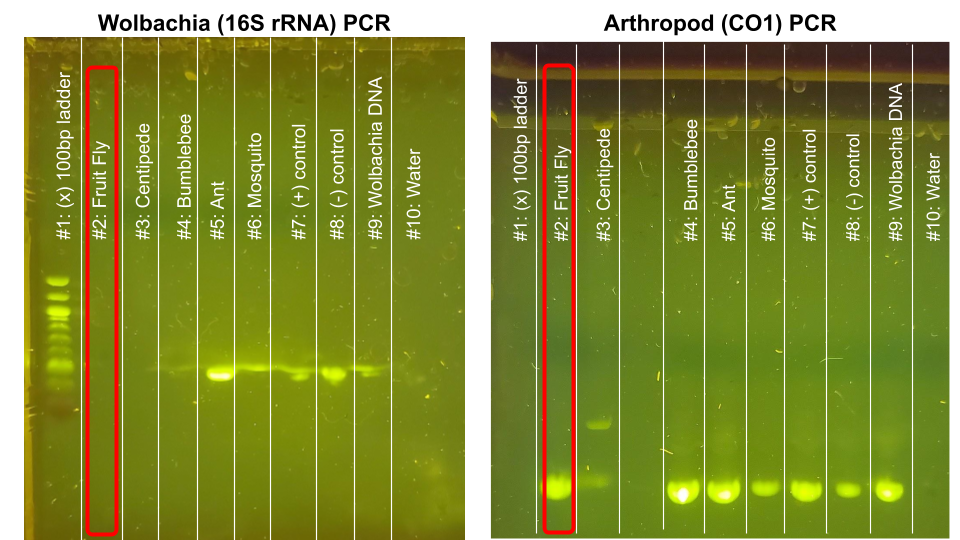
|
| Protocol notes | DNA Extraction: Grinded the entire arthropod well, including exoskeleton. Liquid appeared transparent. Gel Electropgoresis Well Lanes: For Arthropod (CO1) PCR: For Wolbachia (16S rRNA) PCR: Analysis: For arthropod CO1 PCR, controls worked and the result can be trusted as the size and location of the bands are similar to controls. For Wolbachia PCR, negative control is contiminated as there is a band. Also, due to the damaged gel, the band of the sample appears to be smudged. |
Results |
|
| Wolbachia presence | No |
| Confidence level | Medium |
| Explanation of confidence level | Negative DNA extraction control was contiminated and the agrose gel was damaged so DNA samples spreaded across the gel. There is not even a vague trace of band but the data cannot be fully trusted since we lack negative DNA extration control to compare. |
| Wolbachia 16S sequence | |
| Arthropod COI sequence |
|
| Summary | The Drosophila melanogaster was found to be negative for Wolbachia. |
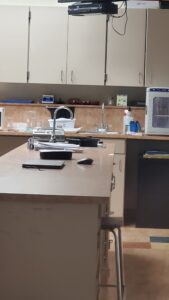 (Location of Collection)
 (no title)
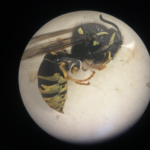 Yellowjacket Wasp
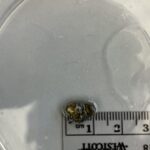 Pillbug
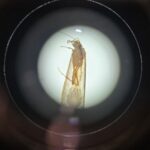 Umpachene Falls Caddisfly
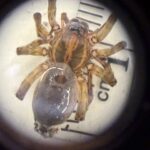 Wolf Spider