Sample information |
|
| Picture |
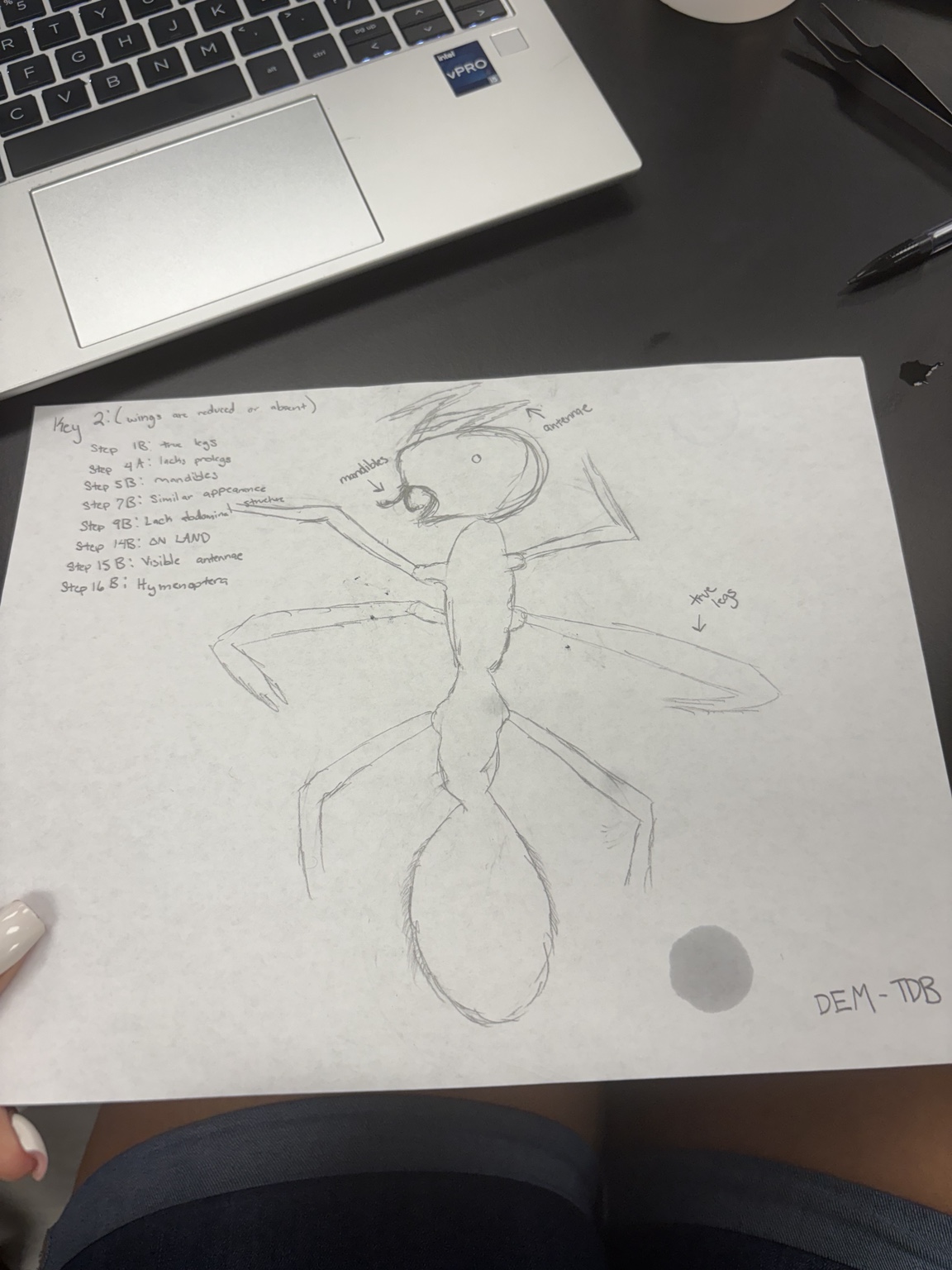
|
|---|---|
| Location | Approximate location: 31.97, -81.16 |
| Collection date | 08/31/2026 |
| Captive / Cultivated? | Wild-caught |
| Group | Georgia Southern University |
| Observations | Collection method/equipment:
Detailed description of the location of the collection site:
Detailed description of the habitat of the collection site:
|
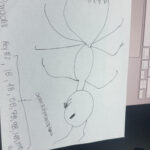
| Putative identification | Arthropoda Insecta Hymenoptera |
Methods |
|
| Extraction kit | |
| DNA extraction location | In front of University Building |
| Single or Duplex PCR | Single Reaction |
| Gel electrophoresis system | Standard electrophoresis system |
| Buffer | TAE |
| DNA stain | Other |
| Gel images |
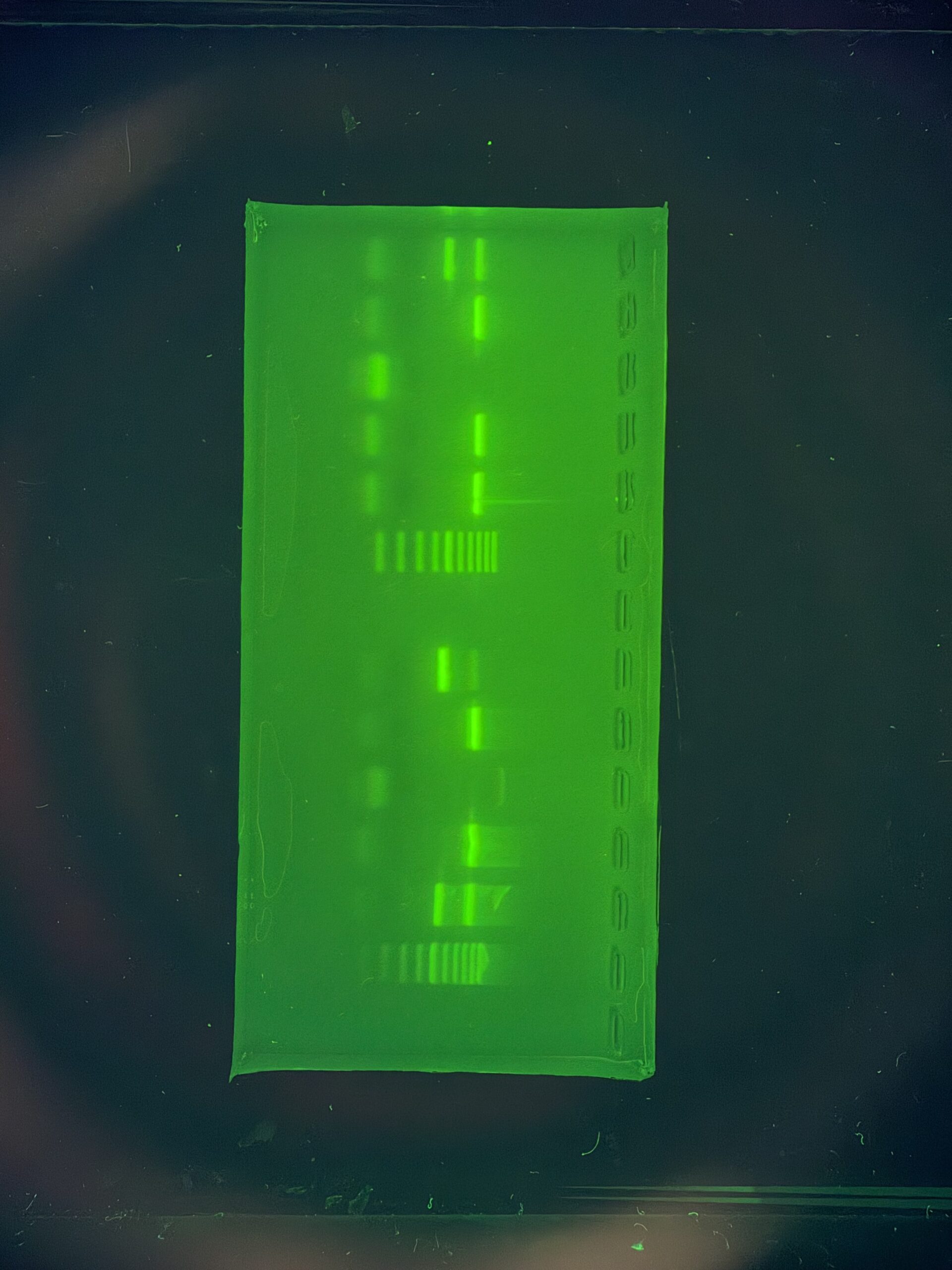
|
| Protocol notes | DNA extraction kit of in-house reagents was used. |
Results |
|
| Wolbachia presence | Yes |
| Confidence level | High |
| Explanation of confidence level | I have a high level of confidence that my insect sample tested positive for Wolbachia because my gel electrophoresis results showed a band at approximately 438 bp for the Wolbachia 16S rRNA gene. My sample also showed the expected insect CO1 band at approximately 708 bp, which supports that insect DNA was successfully amplified. However, I would not say my confidence is 100% because I still need to consider the positive, negative, and no-template controls when interpreting the results. Overall, my results support my original prediction that my insect specimen would test positive for Wolbachia. |
| Wolbachia 16S sequence | |
| Arthropod COI sequence |
|
| Summary | The Hymenoptera was found to be postive for Wolbachia. |
 CON-MCH
 CON-BJA Hymenoptera
 CONKDLH-orthoptera
 CON-HAS Hymenoptera
 CON-AEP Hymenoptera