Sample information |
|
| Picture |
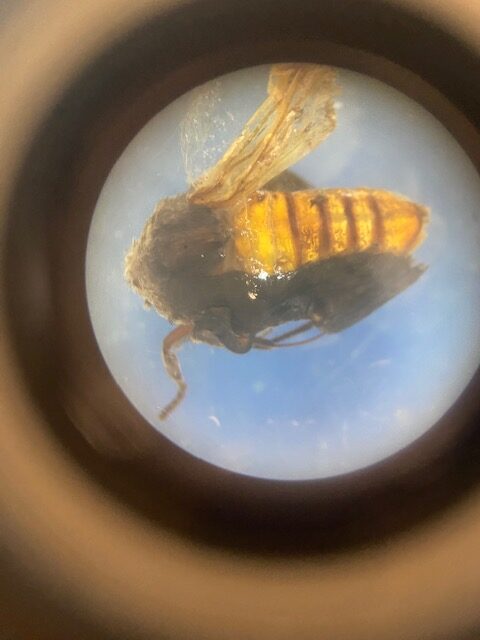
|
|---|---|
| Location | Approximate location: 33.99, -84.44 |
| Collection date | 11/12/2024 |
| Captive / Cultivated? | Wild-caught |
| Group | Walton High School |
| Observations | The picture attached above was taken after death under a dissection scope, because no picture could be taken at the time of sample collection. It was found under a rock in Red Clay soil. It was identified using a Bug Guide as a Long Horned Bee under the genus Melissodes. |
| Putative identification | Arthropoda Insecta Hymenoptera |
Methods |
|
| Extraction kit | DNeasy (Qiagen) |
| DNA extraction location | Abdomen |
| Single or Duplex PCR | Single Reaction |
| Gel electrophoresis system | MiniPCR |
| Buffer | TBE |
| DNA stain | GelGreen |
| Gel images |
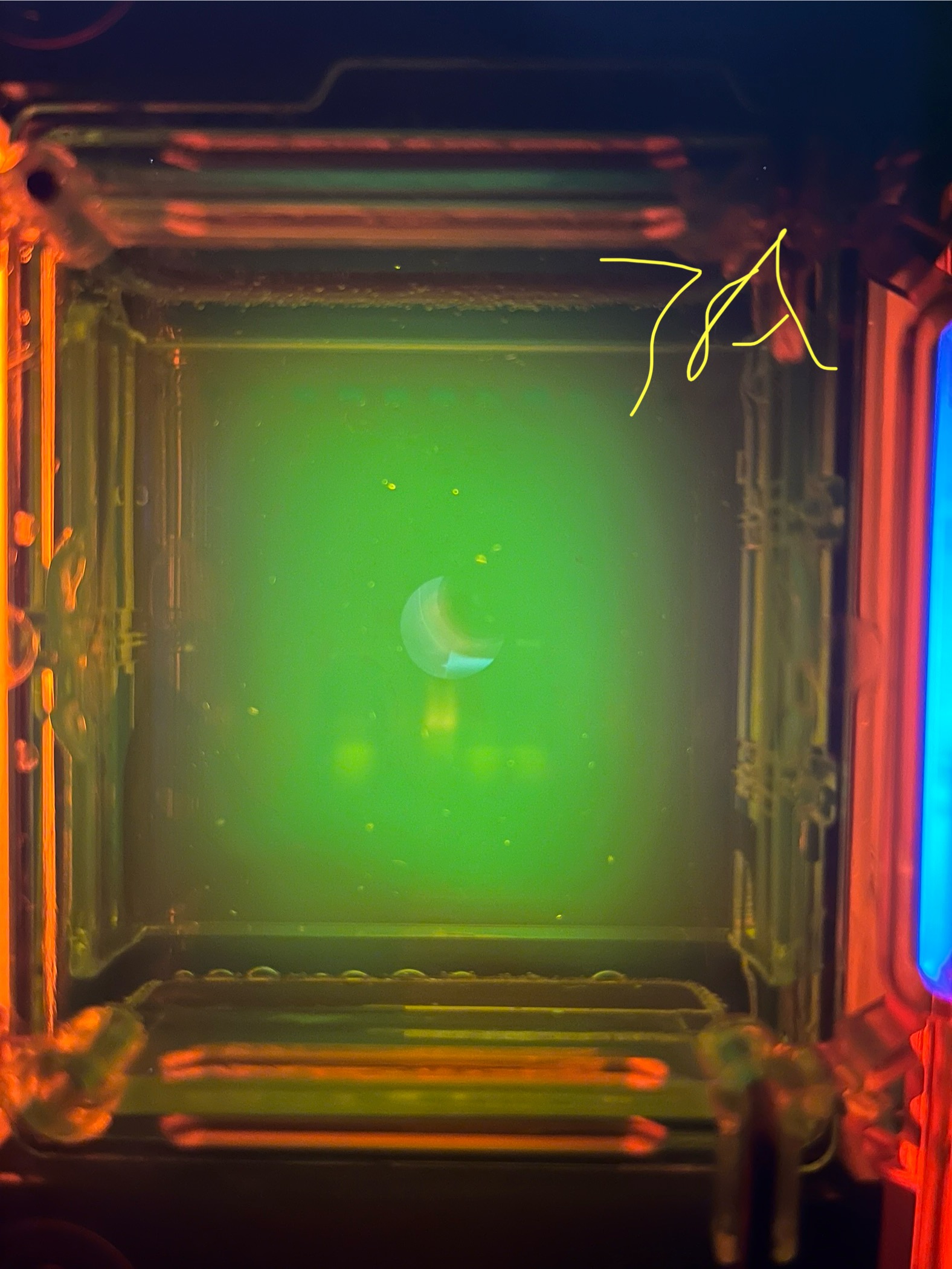
|
| Protocol notes | When the gel was analyzed, there were no visible bands on the first lane, where the DNA Standard Ladder was inserted. So the gel was contaminated, or ran incorrectly, giving us completely inconclusive results. This gel was also running a reaction that tested for arthropod DNA, and a Wolbachia test gel did not get run. |
Results |
|
| Wolbachia presence | Unknown |
| Confidence level | High |
| Explanation of confidence level | Our gel was inconclusive, and the positive controls did not work, so I can have high confidence that the sample is unknown for Wolbachia. Our gel could have bene inconclusive because of problems when eluting the sample DNA, or when conducting the PCR to amplify the DNA. |
| Wolbachia 16S sequence | |
| Arthropod COI sequence |
|
| Summary | |
 (no title)
 Yellowjacket Wasp
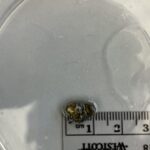 Pillbug
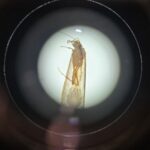 Umpachene Falls Caddisfly
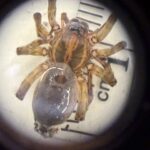 Wolf Spider