Sample information |
|
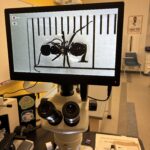
| Picture |
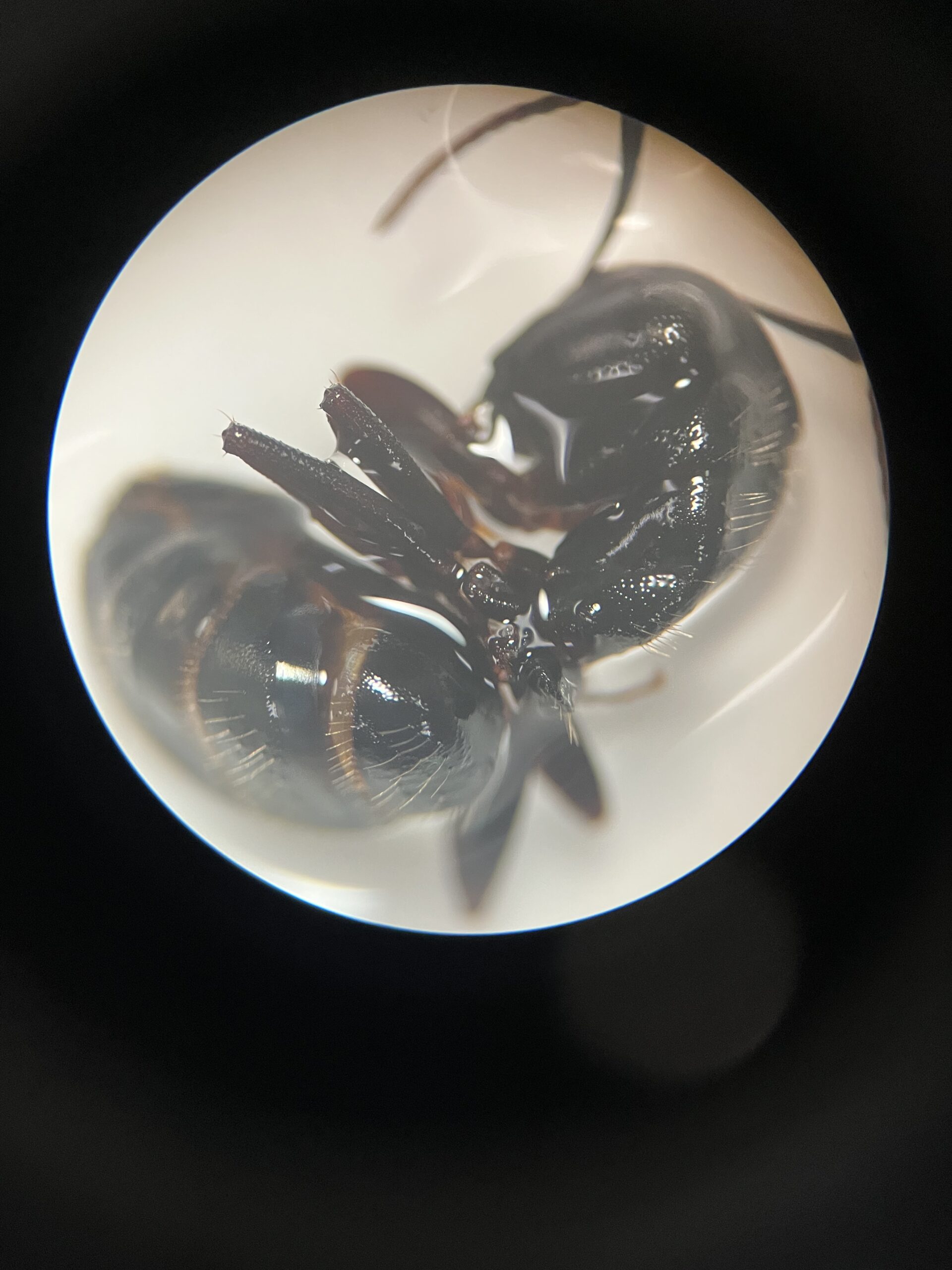
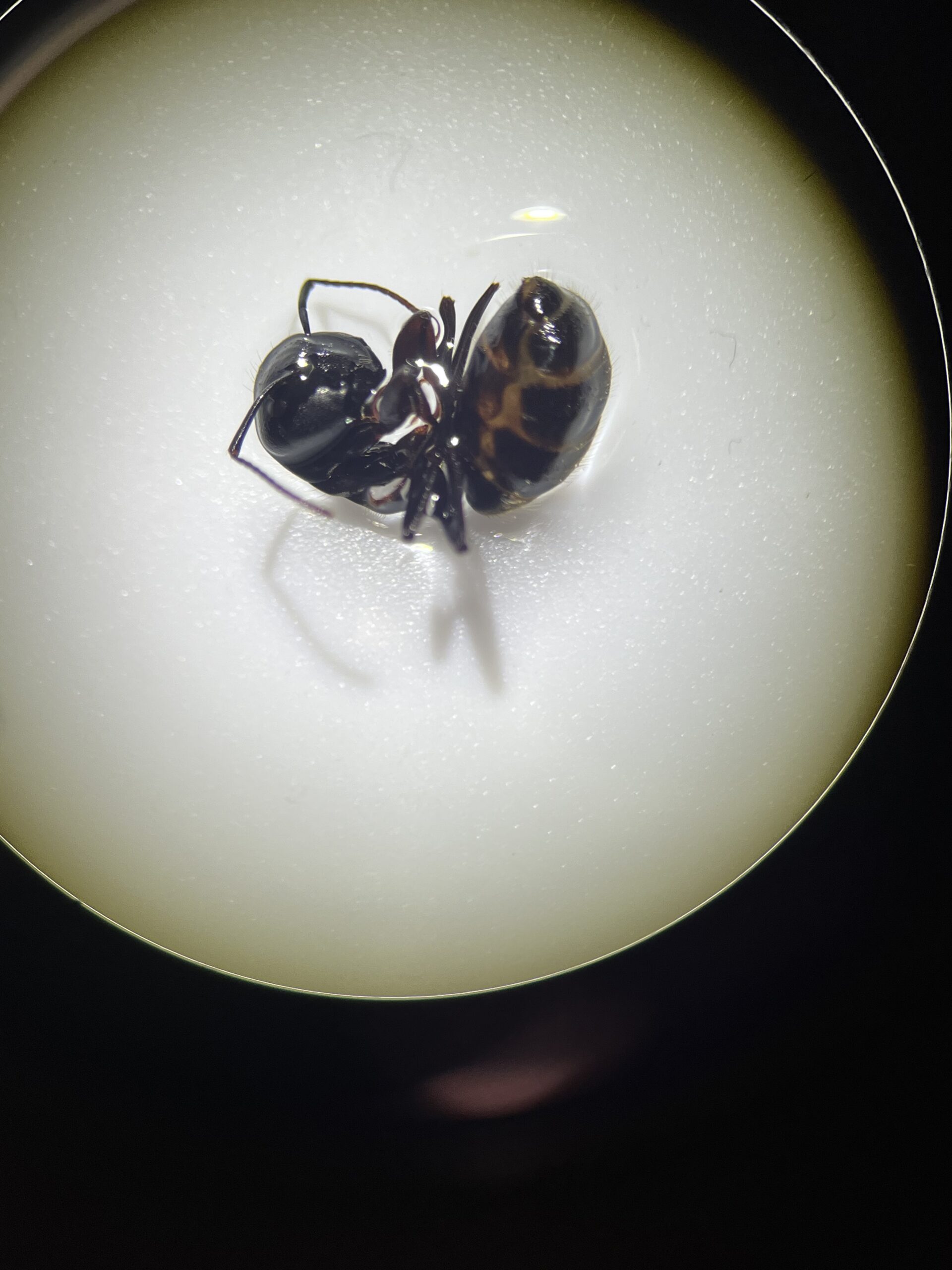
|
|---|---|
| Location | Approximate location: 38.94, -77.09 |
| Collection date | 09/15/2025 |
| Captive / Cultivated? | Wild-caught |
| Group | Edmund Burke School |
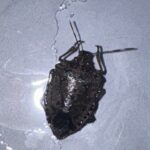
| Observations | Caught the arthropod by the base of a tree in a park. Caught it nearing the first day of fall in the end of the summer. The temperature when I caught it was 74* F in a terrestrial habitat. The arthropod was some kind of ant with antenna, and it was mainly black with some brown. |
| Putative identification | Arthropoda Insecta Hymenoptera |
Methods |
|
| Extraction kit | DNeasy (Qiagen) |
| DNA extraction location | Whole arthropod |
| Single or Duplex PCR | Single Reaction |
| Gel electrophoresis system | MiniOne |
| Buffer | TBE |
| DNA stain | GelGreen |
| Gel images |
|
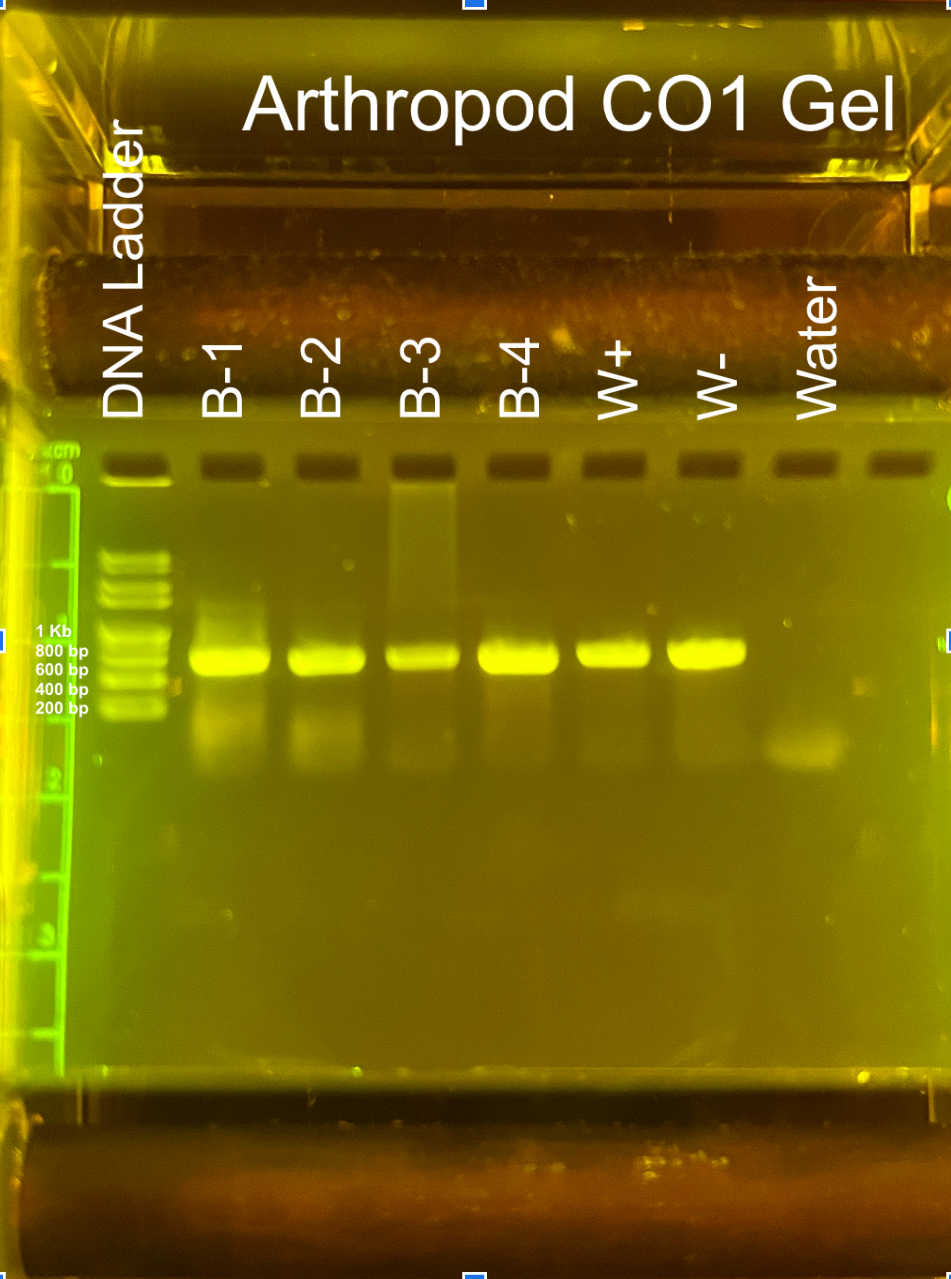
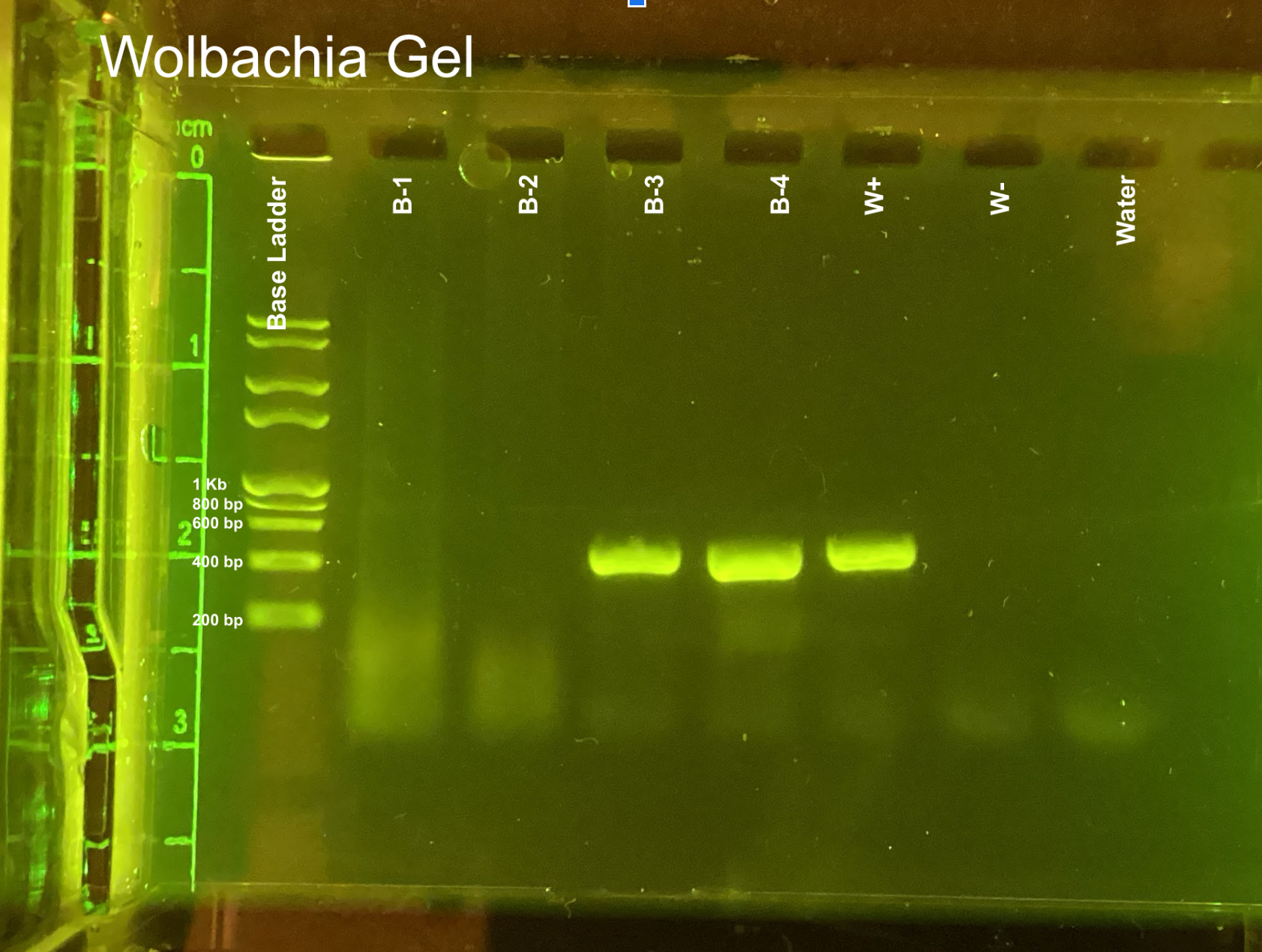
| Protocol notes | DNA Extraction: Arthropod was not hard to extract DNA from. Crushed easily. No mistakes recorded. PCR: Had to redo the PCR because the first one didn’t work. Worked the second time around. Gel electrophoresis, Arthropod CO1: In the arthropod gel we found a band signaling that B-4 was indeed an arthropod. In the B1-4 lanes of the gel electrophoresis, we had the corresponding DNA for each arthropod. In the W+ lane was a Wolbachia positive control and in the W- lane was a Wolbachia negative control, and in the H20 lane was a water control. We also found bands for arthropods B1-3 and our W+ and W- controls. Our controls worked meaning that we are confident in the results. We had no mistakes in this process such as contamination. Gel electrophoresis, Wolbachia: There was a band for Wolbachia in the B-4 lane of our gel. In the B1-4 lanes of the gel electrophoresis, we had the corresponding DNA for each arthropod. In the W+ lane was a Wolbachia positive control and in the W- lane was a Wolbachia negative control, and in the H20 lane was a water control. We also found bands for B3 and our W+ control. There was no band for arthropods B1-2 and our W- control. Our controls worked as intended meaning that we can confidently say that B-4 was infected with Wolbachia. |
Results |
|
| Wolbachia presence | Yes |
| Confidence level | High |
| Explanation of confidence level | Our controls worked and we recorded no instances of contamination. |
| Wolbachia 16S sequence | Download FASTA
Download AB1
TCATCCTTAGTTACCATCAGGTAATGCTGnnnnnnnnnnnGAAACTGCCAGTGATAAACTGGAGGAAGGTGGGGATGATG TCAAGTCATCATGGCCCTTATGGAGTGGGCTACACACGTGCTACAATGGTGGCTATAATGGGCTGCAAAGTCGCGAGGCT AAGCTAATCCCTTAAAAGCCATCTCAGTTCGGATTGTACTCTGCAACTCGAGTGCATGAAGTTGGAATCGCTAGTAATCG TGGATCAGCACGCCACGGTGAATACGTTCTCGGGTCTTGTACACACTGCCCGTCACGCCATGGGAATTGGT
BLAST at The Wolbachia Project BLAST at NCBI
|
| Arthropod COI sequence | Download FASTA
Download AB1
AATTGGCTCCTCTATAAGAATAATCATTCGACTAGAGTTAGGATCTCCTGATTCACTAATTCTTAATGATCAAACTTTCA ATACCATCGTTACAAGTCATGCTTTTATTATAATTTTTTTTATAGTTATACCTTTTATAATTGGGGGATTTGGTAATTTT TTAATTCCACTTATACTAGGATCTCCTGATATAGCTTACCCTCGTTTAAATAACATAAGATTTTGATTACTTCCCCCATC GATCTCCTTATTAATCCTAAGAAATTTTATTAATGAAGGATCTGGAACTGGTTGAACTATCTACCCCCCTCTATCATCAA ATACCTTCCATAGTGGCCCCTCTATTGACCTGACTATCTTTTCTCTCCATATTGCTGGTATATCCTCAATTATAGGAGCA ATCAATTTTATTTCAACAATTATAAATATACATAATTCCAATATTTCCCTAGATAAAATTCCCTTATTAGTATGATCTAT TCTTATTACAGCTATTCTCCTTCTTCTATCCCTACCTGTTCTAGCAGGCGCTATTACAATACTACTAACAGACCGAAATC TTAATACTTCATTTTTCGATCCCTCGGGAGGAGGAGATCCTATTTTATACCAACATTTATTTTGA
BLAST at The Wolbachia Project BLAST at NCBI
|
| Summary | The Hymenoptera was found to be postive for Wolbachia. |
 Hickory Tussock Moth Caterpillar
 Eastern Black Carpenter Ant
 Plant Hopper – BCC Wolbachia Lab
 Cherokia georgiana
 (no title)