Sample information |
|
| Picture |
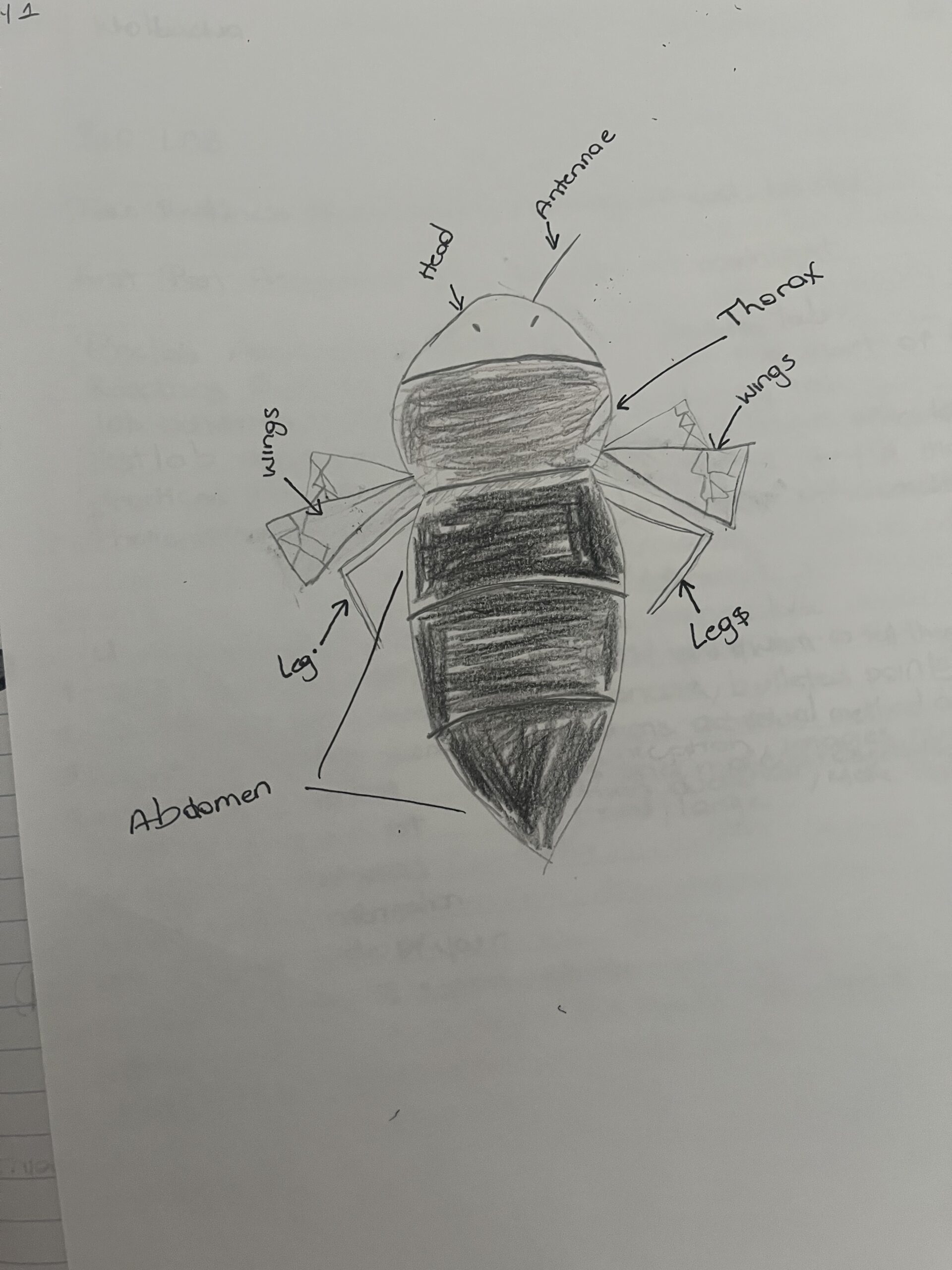
|
|---|---|
| Location | Approximate location: 31.83, -81.63 |
| Collection date | 08/27/2026 |
| Captive / Cultivated? | Wild-caught |
| Group | Georgia Southern University |
| Observations | Insect has a body, adomen, thoras, 2 pairs of wings, hairy, 2 antennae, black and yellow in color, 6 legs. |
| Putative identification | Arthropoda Insecta Hymenoptera |
Methods |
|
| Extraction kit | |
| DNA extraction location | Abdomen |
| Single or Duplex PCR | Single Reaction |
| Gel electrophoresis system | Standard electrophoresis system |
| Buffer | TAE |
| DNA stain | Other |
| Gel images |
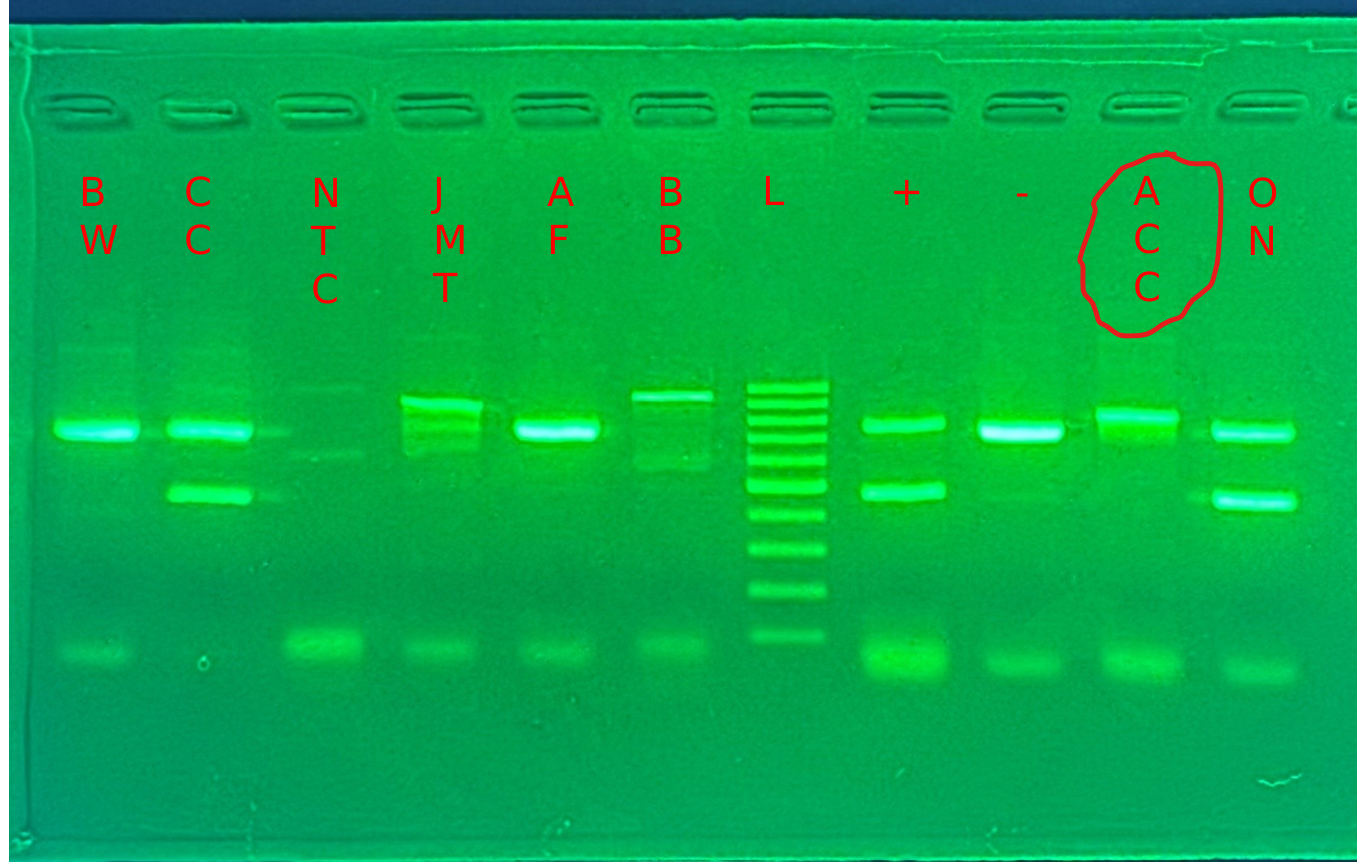
|
| Protocol notes | DNA extraction kit of in-house reagents was used |
Results |
|
| Wolbachia presence | No |
| Confidence level | High |
| Explanation of confidence level | I have a high level of confidence in my results because they matched my original prediction that my insect would test negative for Wolbachia. The controls helped make the experiment more reliable by indicating whether the testing was working correctly. Since the results were what i expected, I feel confidence in the findings. |
| Wolbachia 16S sequence | |
| Arthropod COI sequence |
|
| Summary | The Hymenoptera was found to be negative for Wolbachia. |
 VCR-BRI
 Common Digger Bee(Anthophora)
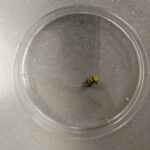 Spotted Cucumber Beetle – Diabrotica Undecimpunctata
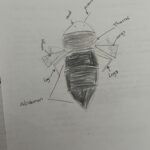 WIL-AAC HYMENOPTERA
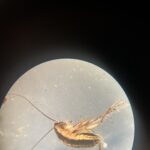 WIL-ACSM-Orthoptera.