Sample information |
|
| Picture |
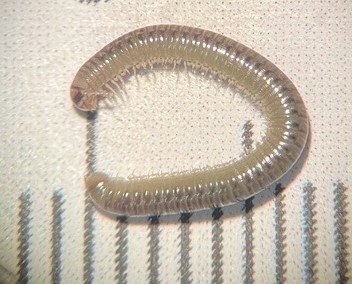
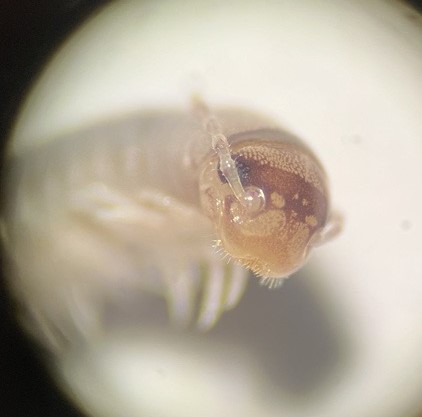
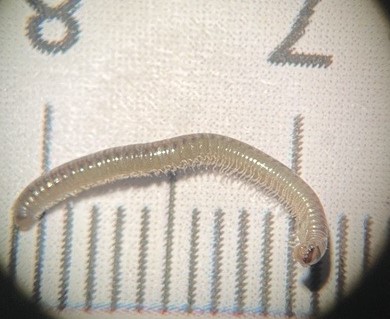
|
|---|---|
| Location | Approximate location: 47.40, 9.62 |
| Collection date | 08/28/2024 |
| Captive / Cultivated? | Wild-caught |
| Group | KantiWil |
| Observations | in loose soil covered with moos on forest floor next to a path in a mixed forest, under moist disintegrating dead wood |
| Putative identification | Arthropoda Diplopoda Julida Julidae Cylindroiulus Cylindroiulus britannicus |
Methods |
|
| Extraction kit | Instagene Matrix |
| DNA extraction location | Abdomen |
| Single or Duplex PCR | Duplex Reaction |
| Gel electrophoresis system | Standard electrophoresis system |
| Buffer | TAE |
| DNA stain | SYBR Safe |
| Gel images |
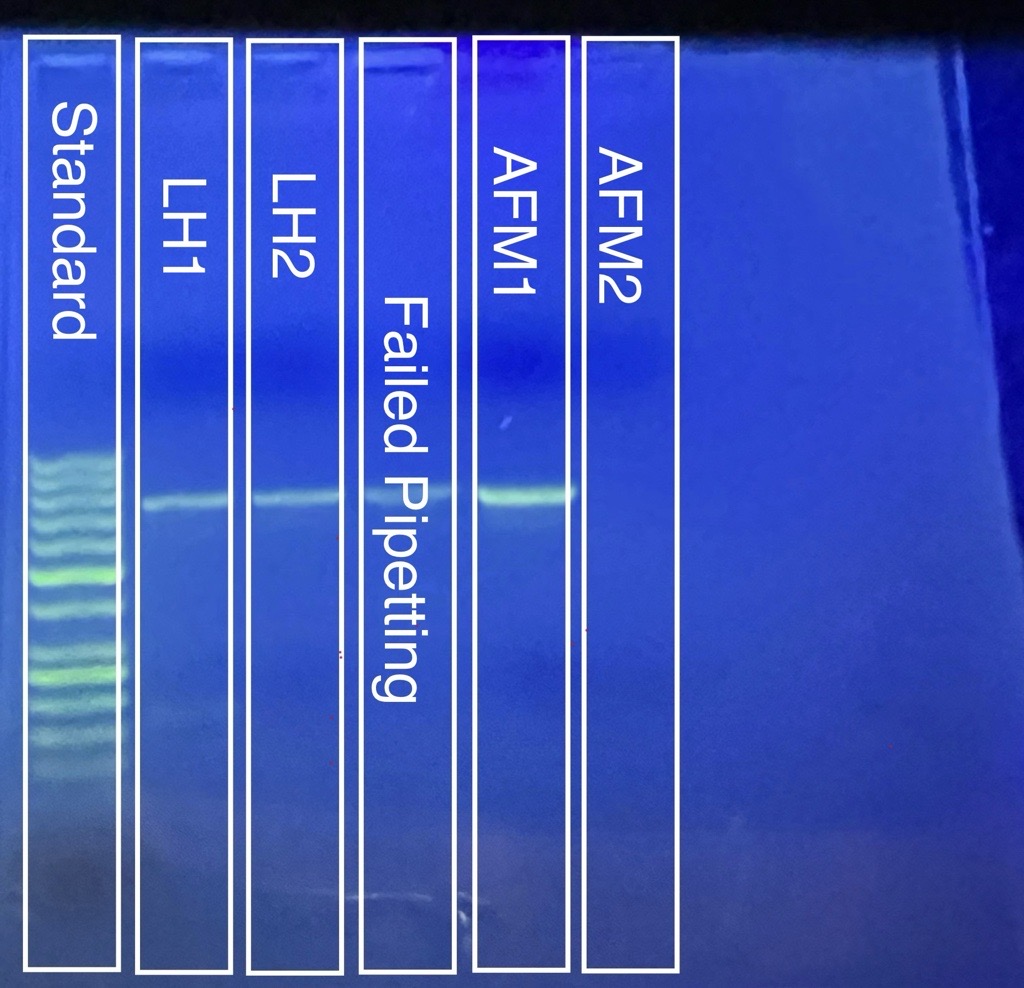
|
| Protocol notes | |
Results |
|
| Wolbachia presence | No |
| Confidence level | High |
| Explanation of confidence level | CO – 708 bp –> a visible line 16S rRNA – 438 bp –> no visible line |
| Wolbachia 16S sequence | |
| Arthropod COI sequence |
|
| Summary | The Cylindroiulus britannicus was found to be negative for Wolbachia. |
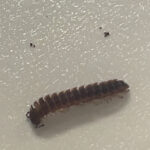 Millipede
 Brown Widow
 (no title)
 Texas Carpenter Ant
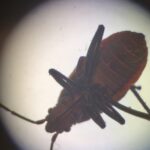 Boxelder Bug (Hemiptera)