Sample information |
|
| Picture |
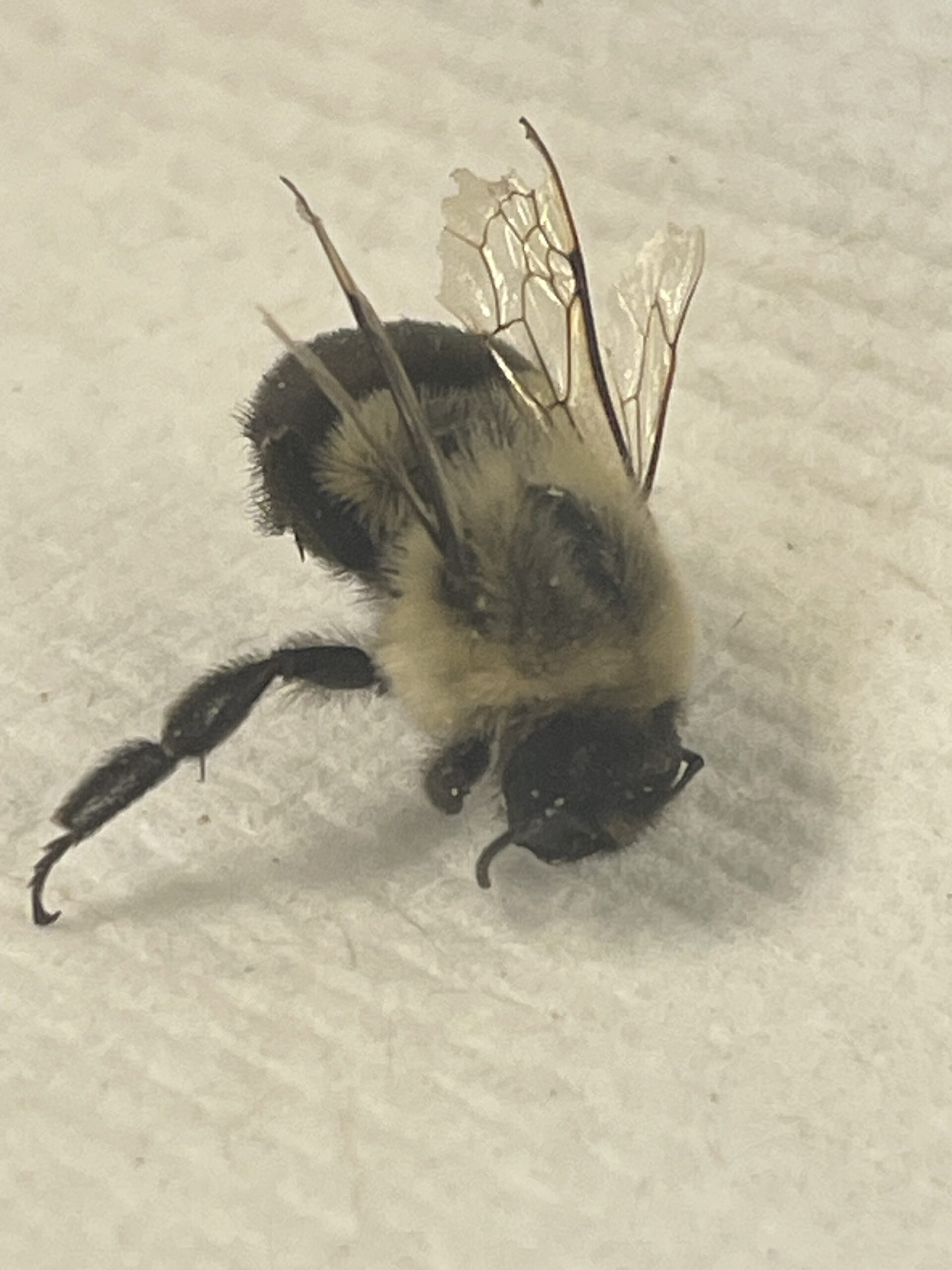
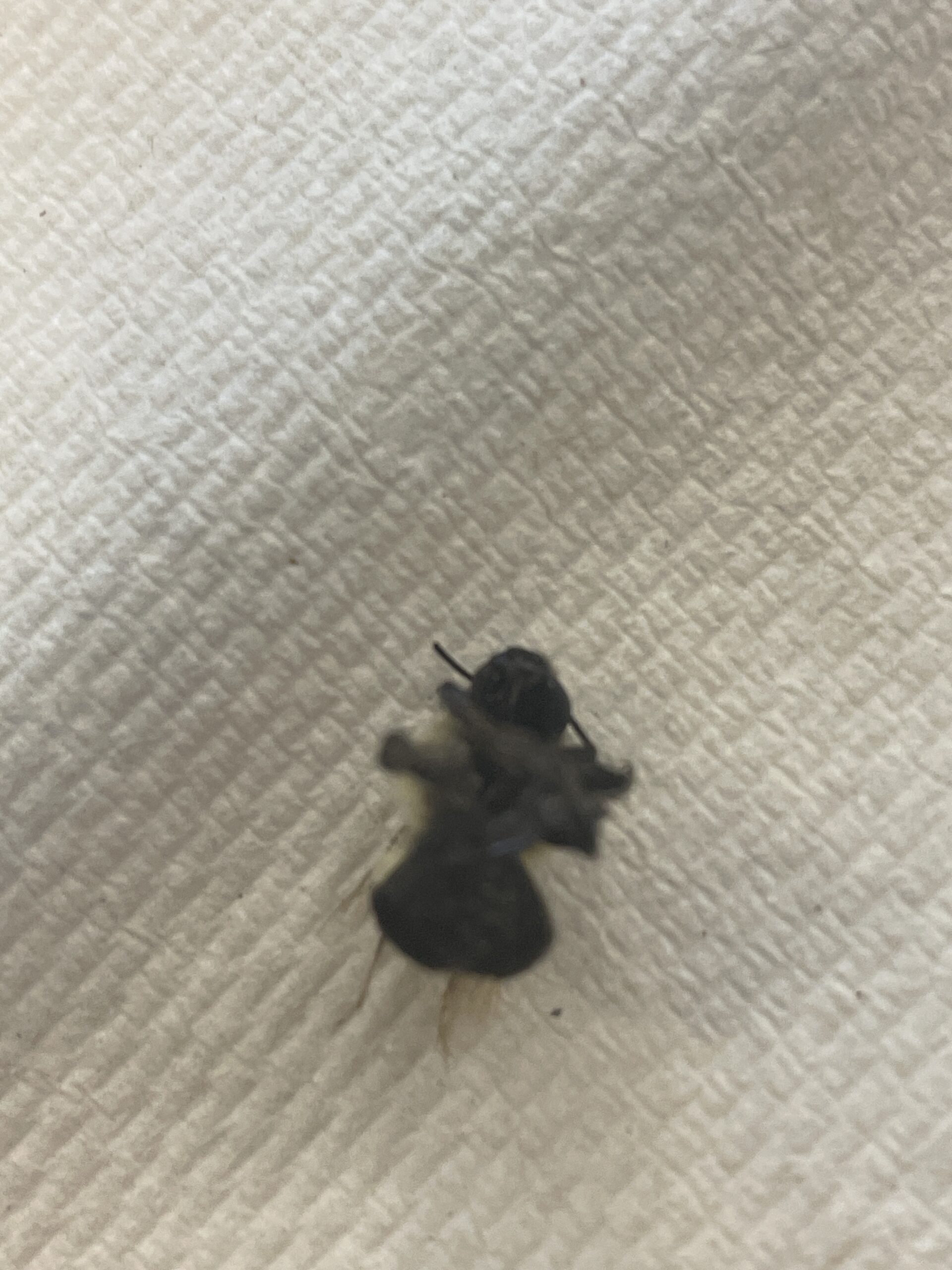
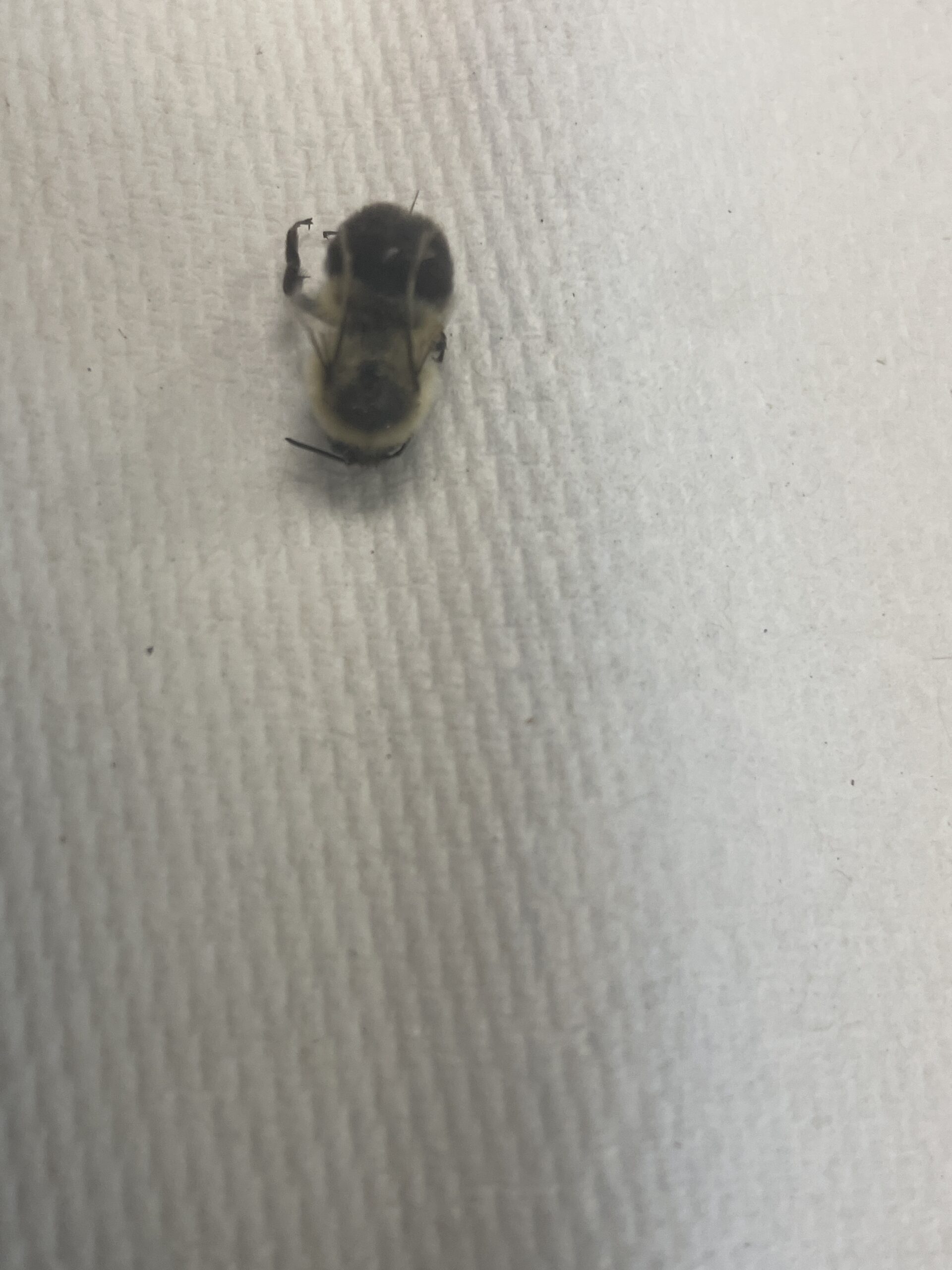
|
|---|---|
| Location | Approximate location: 40.56, -75.40 |
| Collection date | 09/11/2025 |
| Captive / Cultivated? | Wild-caught |
| Group | Penn State Lehigh Valley |
| Observations | The carpenter bee has yellow fur and black body. The legs were stiff and pointy at the end. It was found in a bush with purple flowers. It was possibly pollinating the flower. It was aggressive when caught. |
| Putative identification | Arthropoda Insecta Hymenoptera |
Methods |
|
| Extraction kit | DNeasy (Qiagen) blood and tissue kit |
| DNA extraction location | Abdomen |
| Single or Duplex PCR | Duplex Reaction |
| Gel electrophoresis system | Standard electrophoresis system |
| Buffer | 1X TAE |
| DNA stain | Cyber Stain |
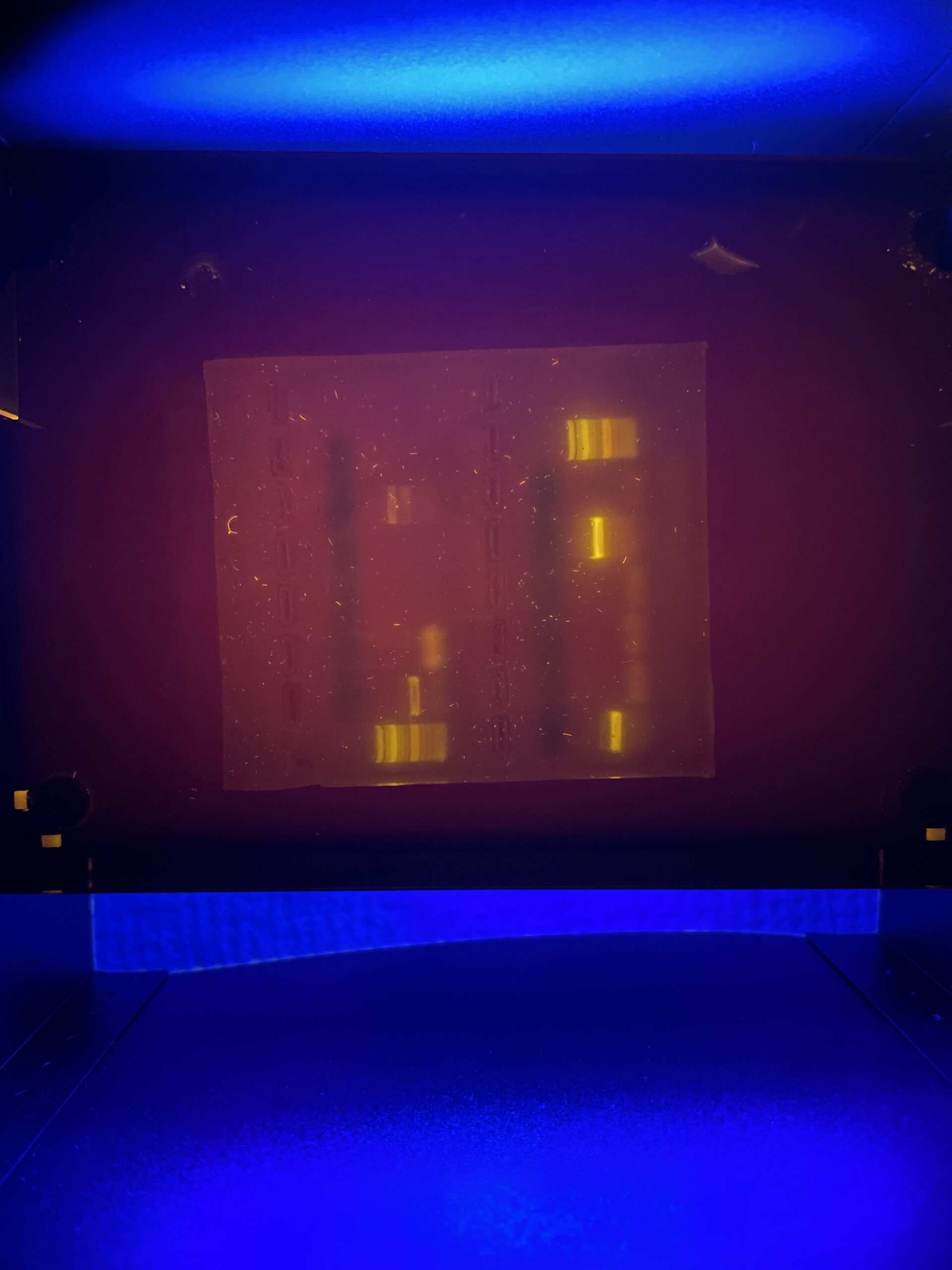
| Gel images |
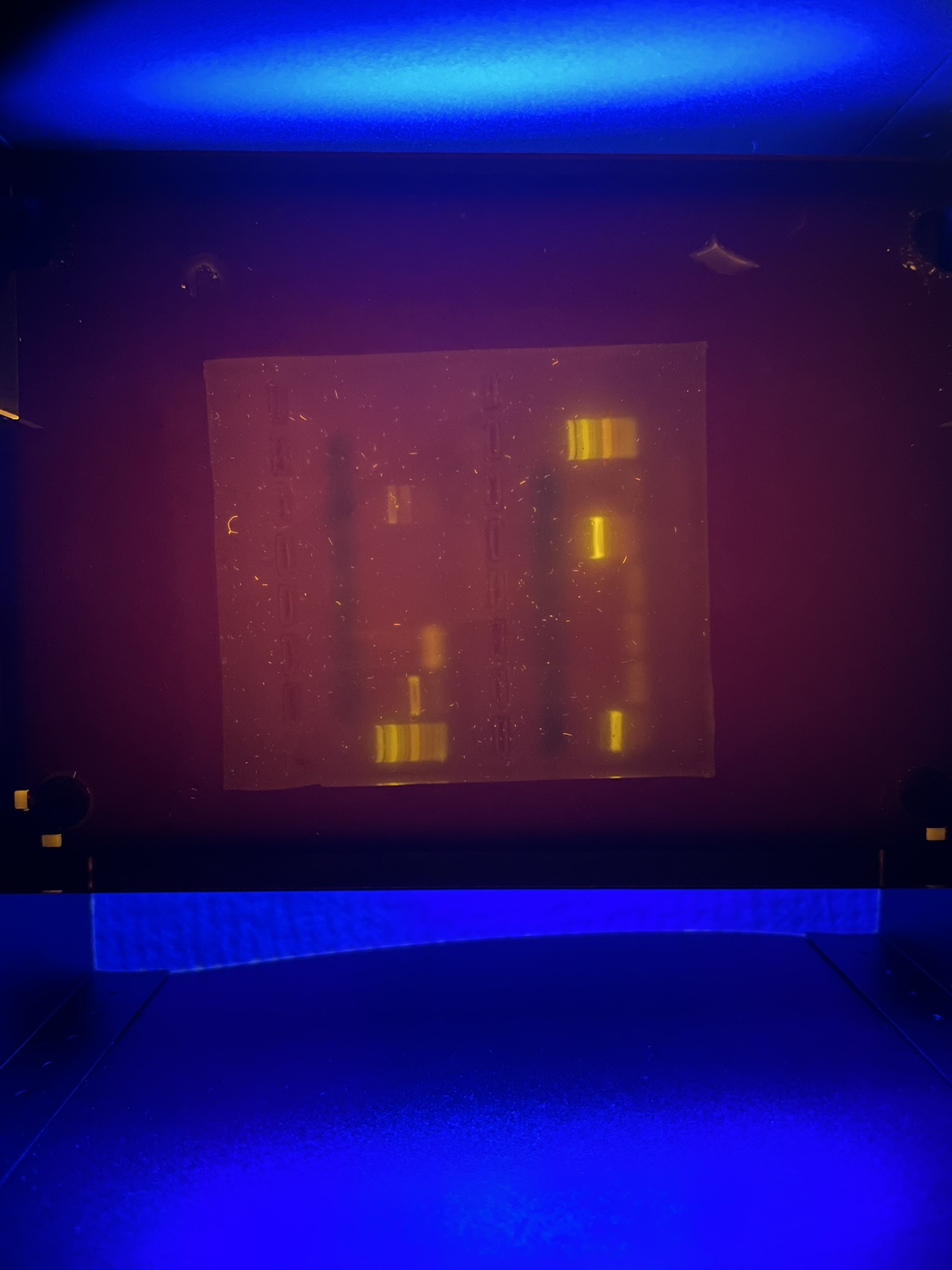
|
| Protocol notes | Lane 1: DNA Standard Lane 2: NHDM Arthropod #1 Wol +COI1 (Yellow Jacket) Lanes 3: NHDM Arthropod #2 Wol + COI1 (Bee) Lane 4: NHDM Wol Pos Wol + COI1 Lane 5: NHDM Wol Neg Wol + COI1 Lane 6: NHDM gDNA control Wol + COI1 Lane 7: NHDM water control Wol + COI1 |
Results |
|
| Wolbachia presence | No |
| Confidence level | Medium |
| Explanation of confidence level | Although the sample aligns with the bp of the result “Wolbachia negative” because the line is not clear, the sample can be positive, though that is unlikely. |
| Wolbachia 16S sequence | |
| Arthropod COI sequence |
|
| Summary | The Hymenoptera was found to be negative for Wolbachia. |
 Millipede
 Brown Widow
 (no title)
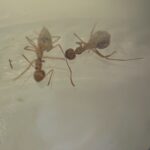 Texas Carpenter Ant
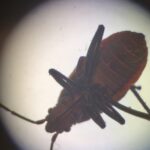 Boxelder Bug (Hemiptera)