Sample information |
|
| Picture |
|
|---|---|
| Location | Approximate location: 44.93, -93.17 |
| Collection date | 09/04/2025 |
| Captive / Cultivated? | Wild-caught |
| Group | St. Paul Academy and Summit School |
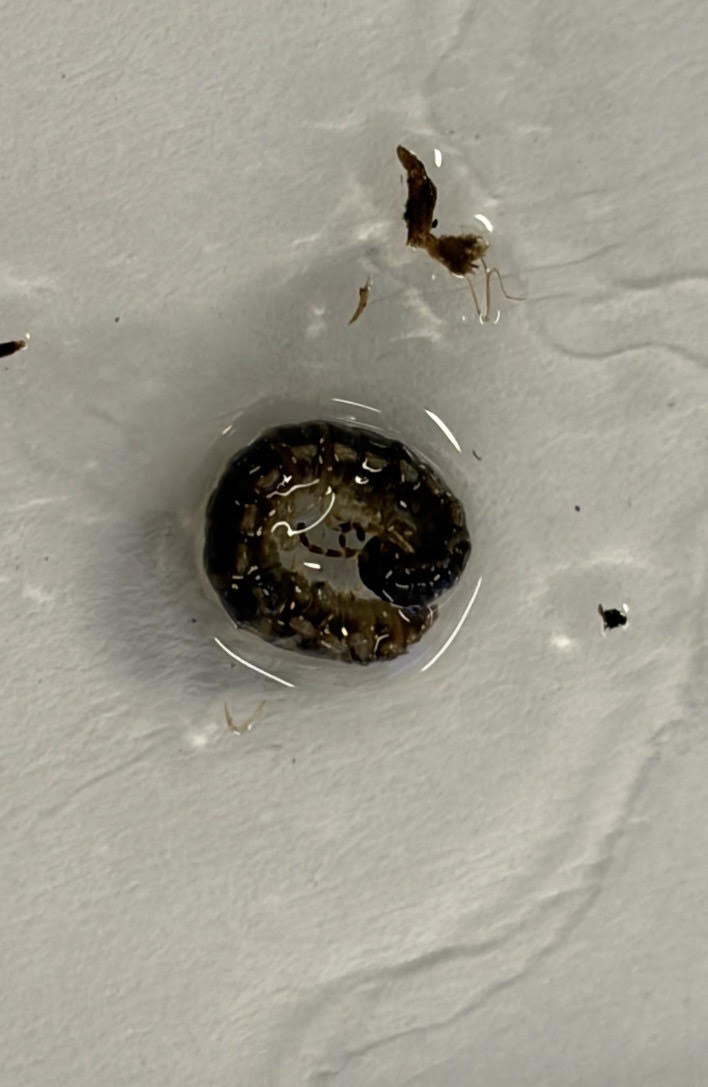
| Observations | I found the greenhouse millipede under a potted plant in my front yard. He was found on dirt in a warm environment. He has a mixed complexion of brown and black and many legs. He was found during the fall season in a high 50’s degrees farenheight climate. |
| Putative identification | Arthropoda Diplopoda Polydesmida |
Methods |
|
| Extraction kit | DNeasy (Qiagen) blood and tissue kit. |
| DNA extraction location | Whole arthropod |
| Single or Duplex PCR | Duplex Reaction |
| Gel electrophoresis system | MiniPCR |
| Buffer | TBE |
| DNA stain | SeeGreen |
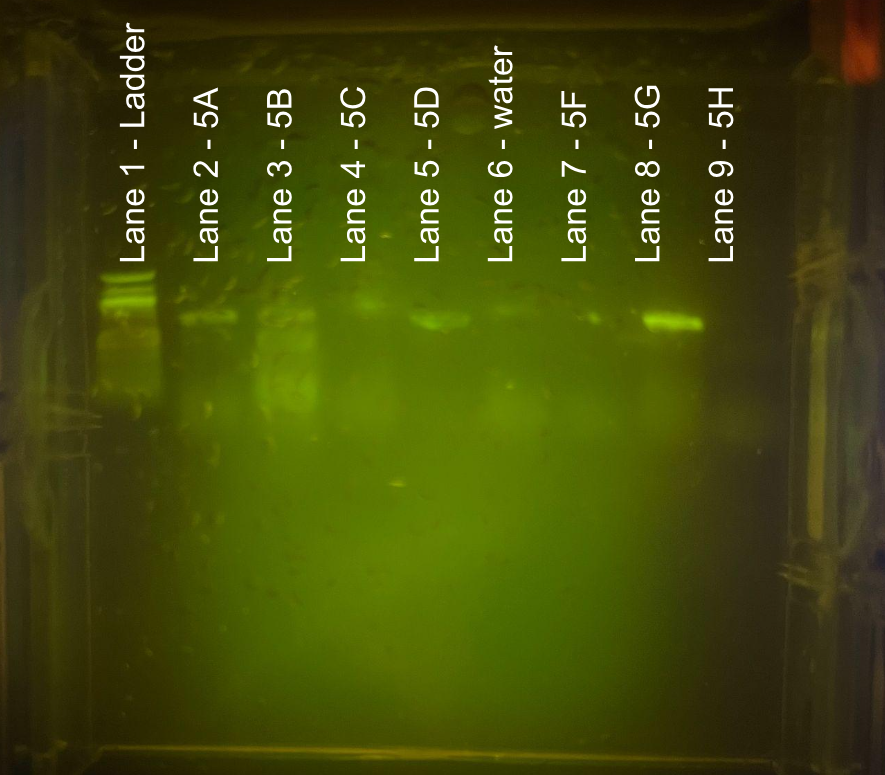
| Gel images |
|
| Protocol notes | Followed Wolbachia project protocol. |
Results |
|
| Wolbachia presence | No |
| Confidence level | High |
| Explanation of confidence level | In my image, you can clearly see only one presence of DNA in my bug, proving there is no Wolbachia. Another person’s bug in my group tested positive for Wolbachia, which you can clearly see too. Hers is the third gel spot in the plate, and you can see that she has two kinds of DNA showing up, which also shows that my bug does not contain Wolbachia. |
| Wolbachia 16S sequence | |
| Arthropod COI sequence |
|
| Summary | The Polydesmida was found to be negative for Wolbachia. |
 Millipede
 Brown Widow
 (no title)
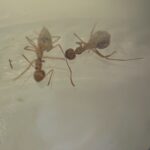 Texas Carpenter Ant
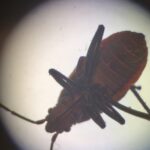 Boxelder Bug (Hemiptera)