Sample information |
|
| Picture |
|
|---|---|
| Location | No map location data available. |
| Collection date | |
| Captive / Cultivated? | |
| Group | College of Eastern Idaho |
| Observations |
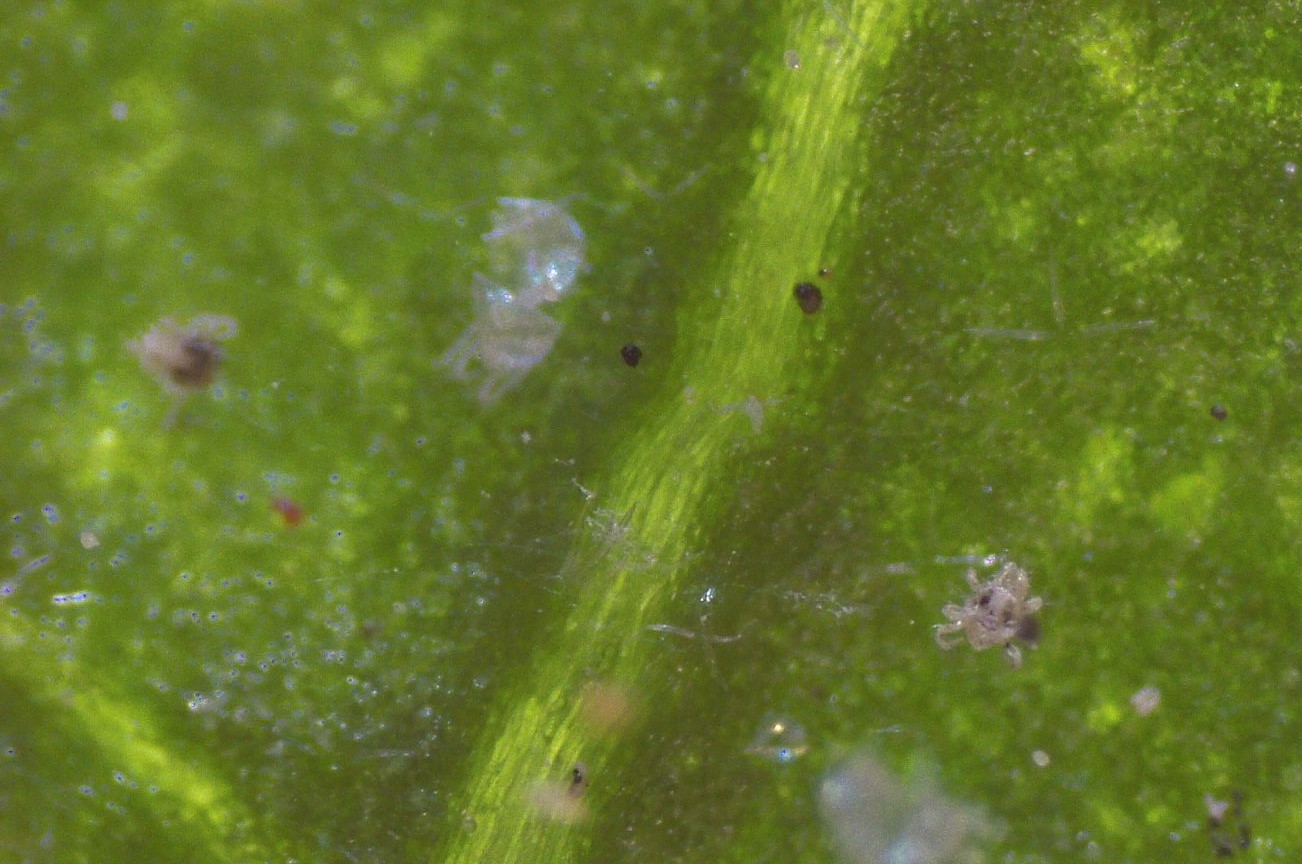
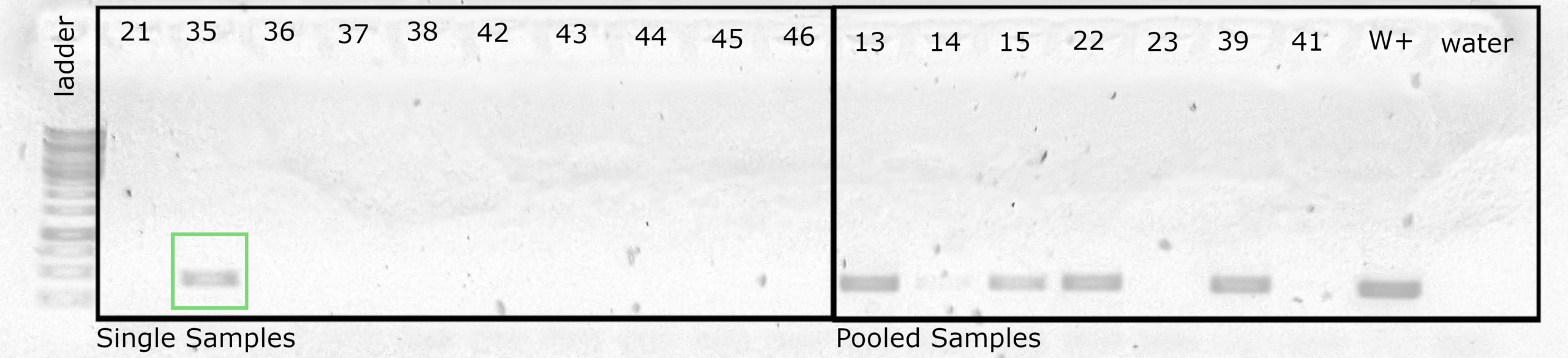
Tested a total of 17 spider mite samples: 10 were single spider mites, the other 7 were pools of 3 or more spider mites. CO1 was amplified in almost all cases (even single sampled spider mites) as can be seen in the above gel. The question was whether we could get Wolbachia positive results from a singe spider mite. The answer can be found in the following gel:
All spider mites were taken from the same population, so expectation would be that all would be Wolbachia positive. Results indicate that when working with a sample arthropod this small that pooling will lead to more consistent results. |
| Putative identification | Arthropoda Arachnida Trombidiformes Tetranychidae Tetranychus Tetranychus urticae |
Methods |
|
| Extraction kit | Edwards Buffer |
| DNA extraction location | Whole arthropod |
| Single or Duplex PCR | Single Reaction |
| Gel electrophoresis system | Standard electrophoresis system |
| Buffer | 1X TAE |
| DNA stain | SeeGreen |
| Gel images |
|
| Protocol notes | Reduced cell lysis buffer from 100𝜇L to 50𝜇L in DNA extraction steps. Reduced 150𝜇L supernatant to 75𝜇L, reduced cold isopropyl to 75𝜇L. When eluting in water, reduced to 25𝜇L. Reduced PCR master mix water by 1𝜇L, increased DNA by 1𝜇L.
|
Results |
|
| Wolbachia presence | Yes |
| Confidence level | High |
| Explanation of confidence level | While some of the results do not show positive DNA amplification on Wolbachia, expectations would be that all members of this specific population would show positive results for Wolbachia. Single spider mite samples did not amplify Wolbachia DNA, therefore it is better to pool small arthropods to add confidence to results. |
| Wolbachia 16S sequence | Download AB1
TCGTGTCGTGAGATGTTGGGTTAAGTCCCGCAACGAGCGCAACCCTCATCCTTAGTTGCCATCAGGTAATGCTGAGTACTTTAAGGAAACTGCCAGTGATAAGCTGGAGGAAGGTGGGGATGATGTCAAGTCATCATGGCCTTTATGGAGTGGGCTACACACGTGCTACAATGGTGTCTACAATGGGCTGCAAGGTGCGCAAGCCTAAGCTAATCCCTAAAAGACATCTCAGTTCGGATTGTACTCTGCAACTCGAGTACATGAAGTTGGAATCGCTAGTAATCGTGGATCAGCATGCCACGGTGAATACGTTCTCGGGTCTTGTACACACTGCCCG
BLAST at The Wolbachia Project BLAST at NCBI
|
| Arthropod COI sequence | Download AB1
GAATTATTATTCGATTAGAACTAATAACACCAGGATCATTAATTCAAAATGATTTTATTTATAATTCAATAGTTACAACGCACGCTATAATTATAATTTTTTTTATAGTTATACCAGCTATAATTGGAGGATTTGGAAATTGATTGATTCCTTTAATAATTAATACTGTAGATTTATGTTTTCCGCGAATTAATAATATAAGATTTTGATTGCTAATTCCTTCTTTAATATTAATAATTTCTTCATCCATAAAAAGTGTTTTAAATGGAGTGGGTTGAACAATATATCCCCCCCTAACTTCAATTCAATATTTTATGTCTTCCTCTATTGAAATAATAATTTTTTCTTTACATATTGCAGGAATTTCTTCAATTGCTAGATCTATTAATTTTATTTCAACTATTCTATTAATAAAAAATAAAAATTATTTTTTAAGAAATTTAACTTTATTTTCTTTATCAATTTTAATTACTACATTTTTACTTTTATTAGCATTACCTGTCTTAGCAGGAGCAATTACAATAATTTTAATAGATCGAAATTTTAATACATCA
BLAST at The Wolbachia Project BLAST at NCBI
|
| Summary | The Tetranychus urticae was found to be postive for Wolbachia. |
 (no title)
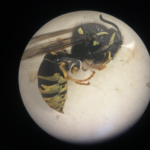 Yellowjacket Wasp
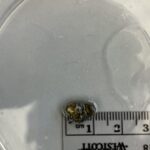 Pillbug
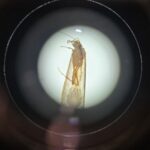 Umpachene Falls Caddisfly
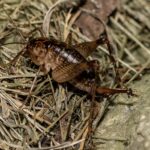
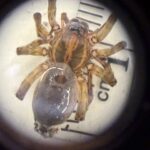 Wolf Spider