Sample information |
|
| Picture |
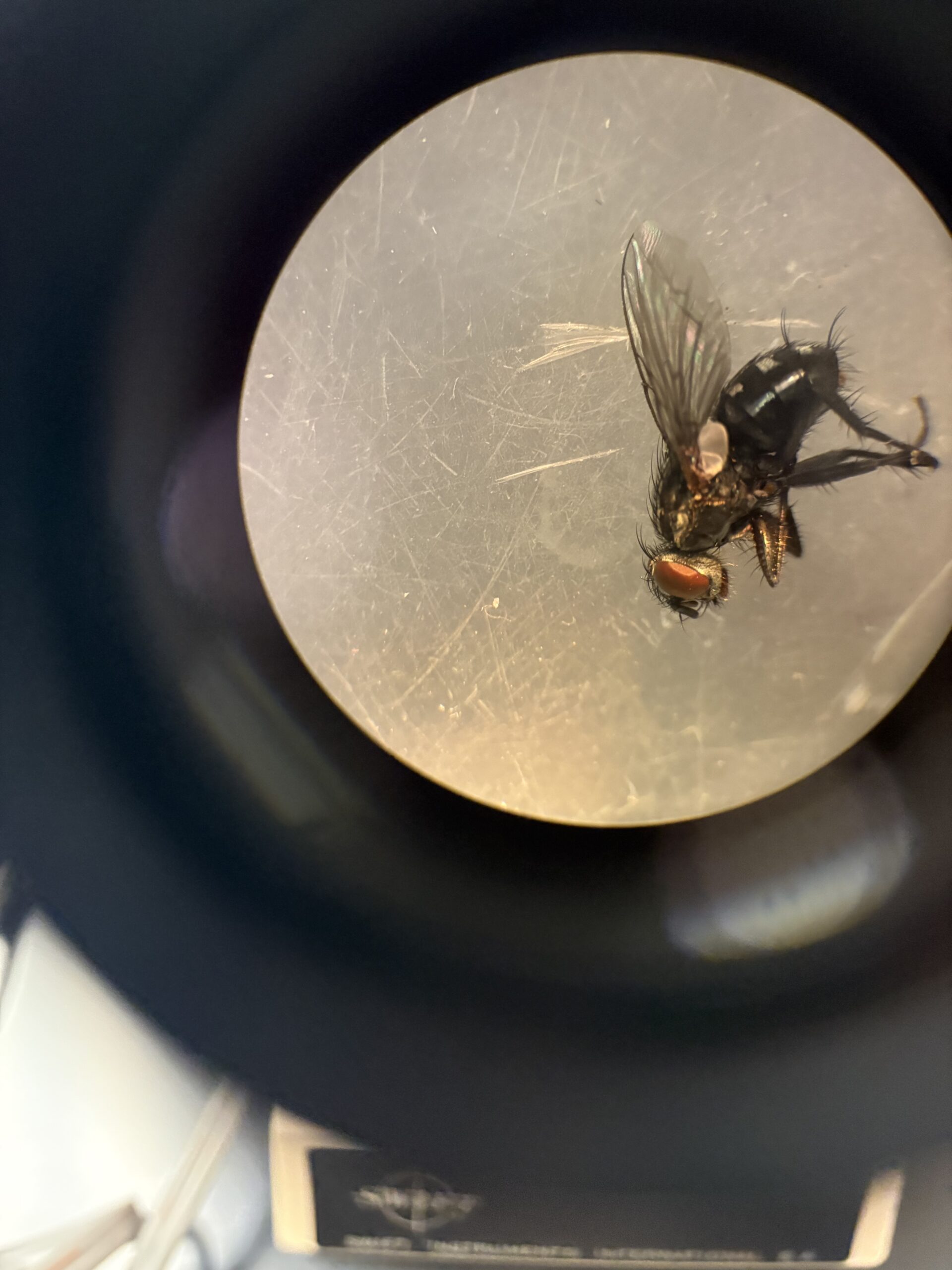
|
|---|---|
| Location | No map location data available. |
| Collection date | 04/20/2026 |
| Captive / Cultivated? | Wild-caught |
| Group | Thomas Jefferson High School for Science and Technology |
| Observations | Found on the bark of a tree near a stream. It was a warm day and the fly was collected in the morning around 9:30 AM. |
| Putative identification | Arthropoda Insecta Diptera |
Methods |
|
| Extraction kit | DNeasy (Qiagen) blood and tissue kit |
| DNA extraction location | Abdomen |
| Single or Duplex PCR | Single Reaction |
| Gel electrophoresis system | MiniPCR |
| Buffer | TBE |
| DNA stain | SYBR Safe |
| Gel images |
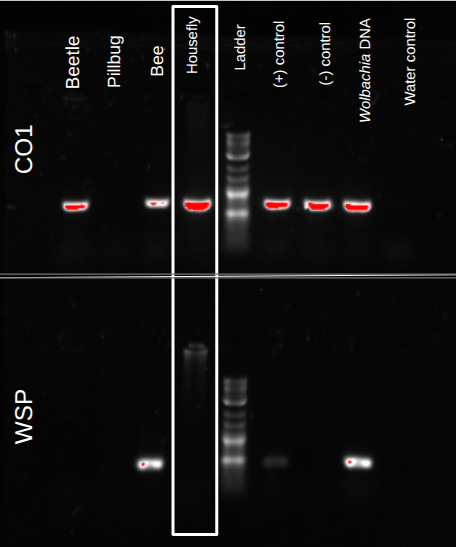
|
| Protocol notes | DNA Extraction: Used abdomen for DNA Extraction and crushed using sand and pestle. Analysis: Positive and negative controls worked successfully. Sample had a CO1 band but not a wsp band, signifying the housefly did not have the Wolbachia gene. |
Results |
|
| Wolbachia presence | No |
| Confidence level | Medium |
| Explanation of confidence level | Both positive and negative controls for the CO1 gene worked as intended, however the band for the positive control for the Wolbachia gene is fainter than the expected band. This explains my medium confidence level in my results. |
| Wolbachia 16S sequence | |
| Arthropod COI sequence | Download AB1
|
| Summary | The Diptera was found to be negative for Wolbachia. |
 (no title)
 Yellowjacket Wasp
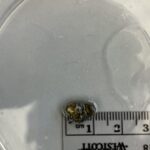 Pillbug
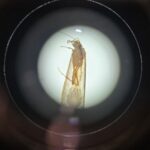 Umpachene Falls Caddisfly
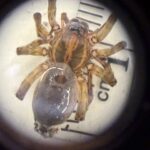 Wolf Spider