Sample information |
|
| Picture |
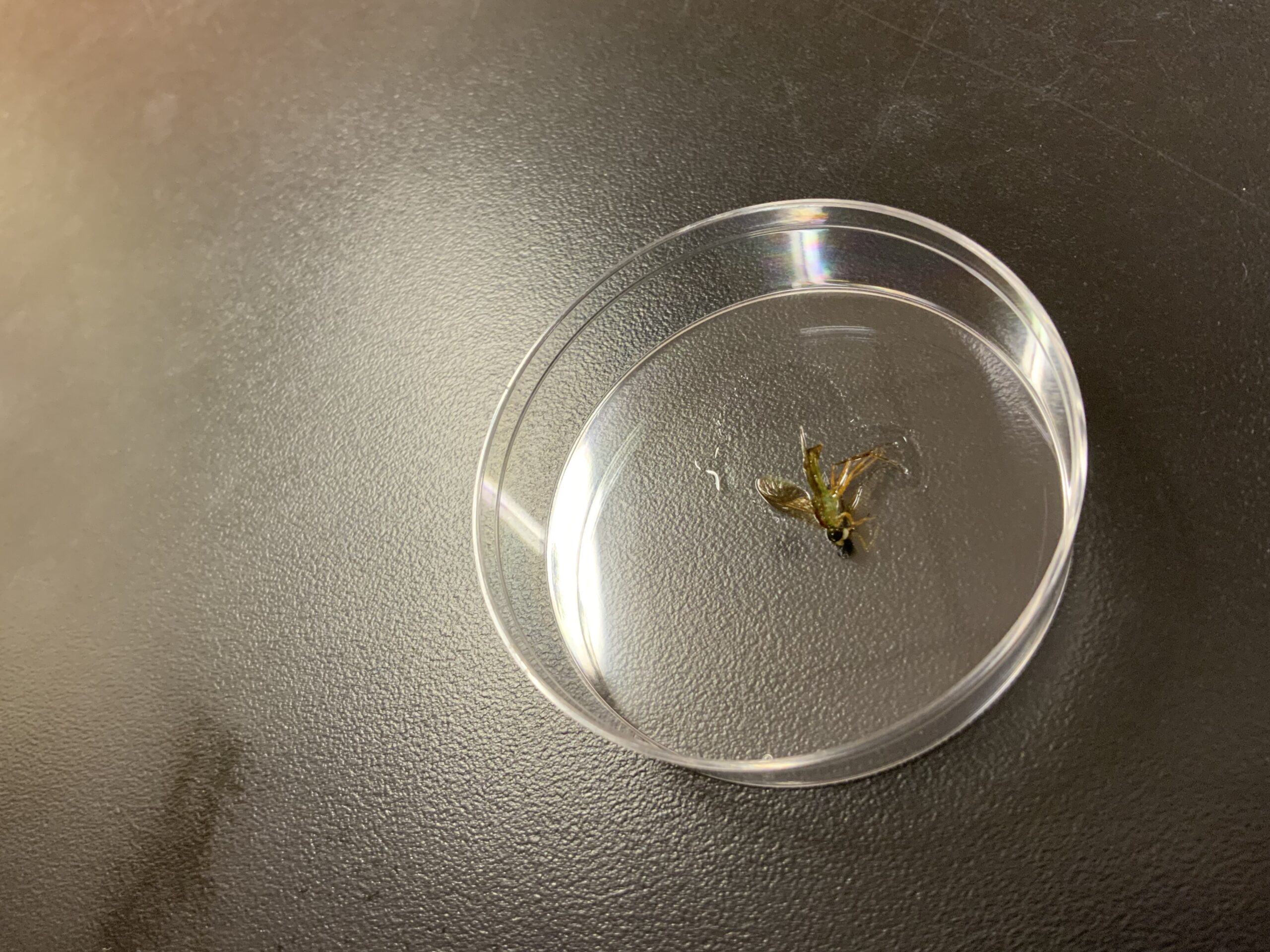
|
|---|---|
| Location | Approximate location: 37.12, -76.44 |
| Collection date | 11/03/2020 |
| Captive / Cultivated? | Wild-caught |
| Group | Hampton Roads Academy |
| Observations | Has two wings and is green underneath. A little bit stripped on top. 4 legs. |
| Putative identification | Arthropoda Insecta Diptera |
Methods |
|
| Extraction kit | Edwards Buffer |
| DNA extraction location | Partial abdomen |
| Single or Duplex PCR | Single Reaction |
| Gel electrophoresis system | MiniOne |
| Buffer | TBE |
| DNA stain | GelGreen |
| Gel images |
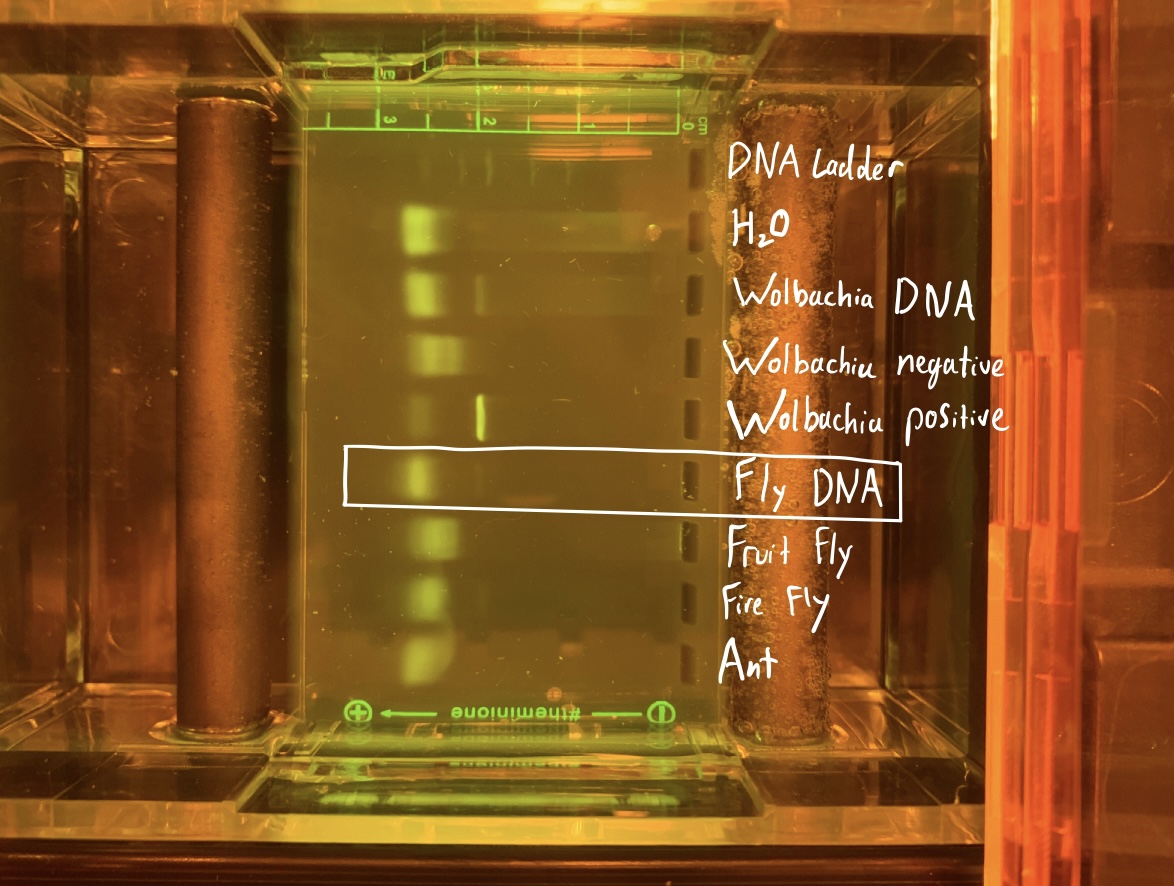
|
| Protocol notes | -for DNA extractions, after I put the partial abdomen into the micro centrifuge I accidentally added 150 microlitters instead of 100 -for PCR steps, when making the master mix we thought we made enough for 10 (we had 9), but we had to made a little bit more because it ran out for some reason. -our PCR machine did not work and we had to push experiment back a few days. Everything was stored safely and at correct temp and we made new gel on day of experiment. -we did not need to add much green dye because our DNA was already died a couple days before. However in order to made it easier to pick up with a micro centrifuge we added 5 micro liters of green dye. |
Results |
|
| Wolbachia presence | Yes |
| Confidence level | Medium |
| Explanation of confidence level | The band is pretty faint, this could be because of too much edwards buffer. |
| Wolbachia 16S sequence | |
| Arthropod COI sequence |
|
| Summary | The Diptera was found to be postive for Wolbachia. |
 (no title)
 Yellowjacket Wasp
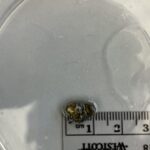 Pillbug
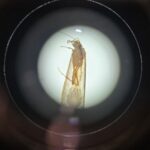 Umpachene Falls Caddisfly
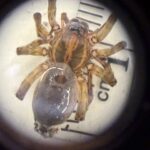 Wolf Spider