Sample information |
|
| Picture |
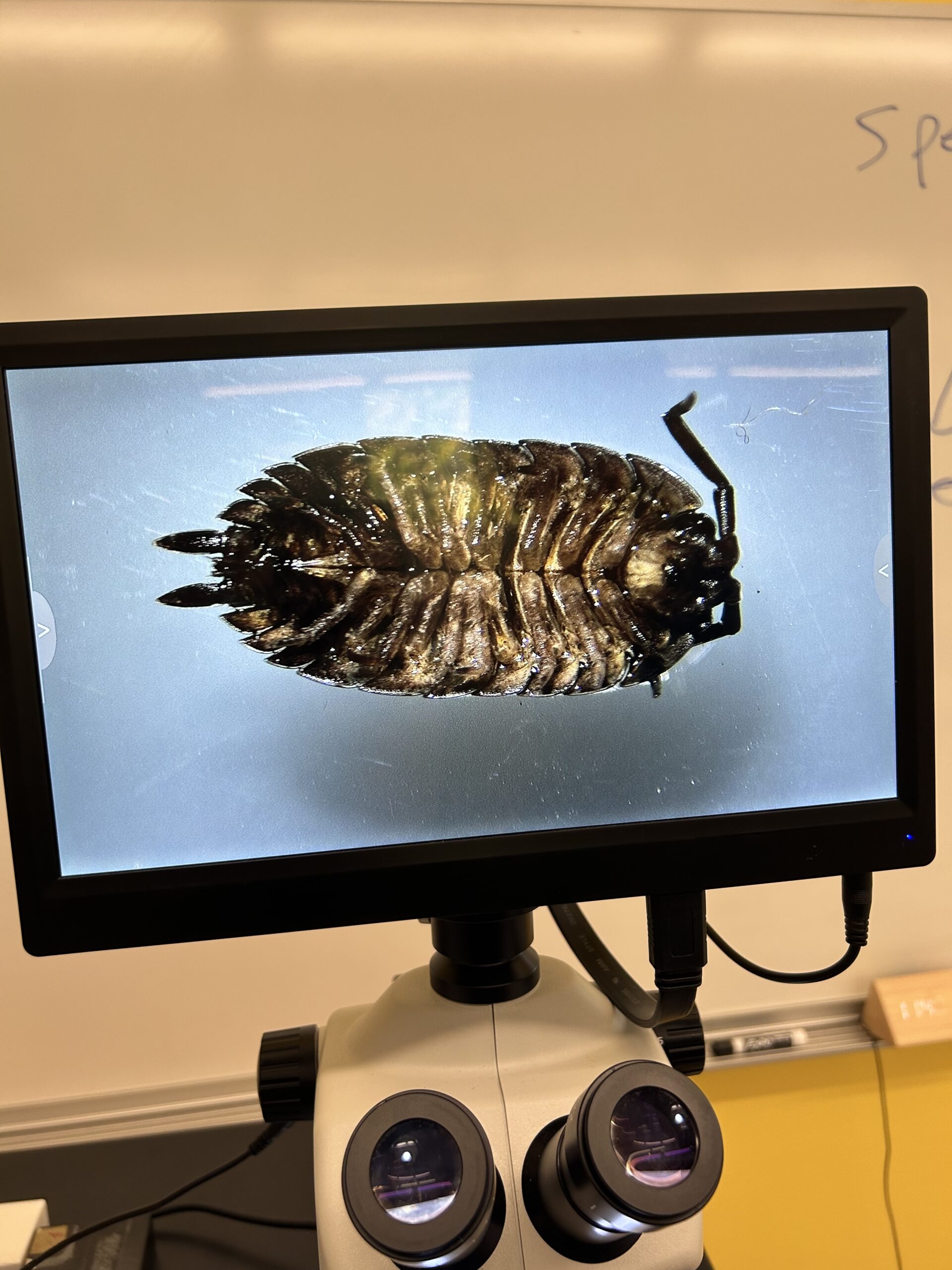
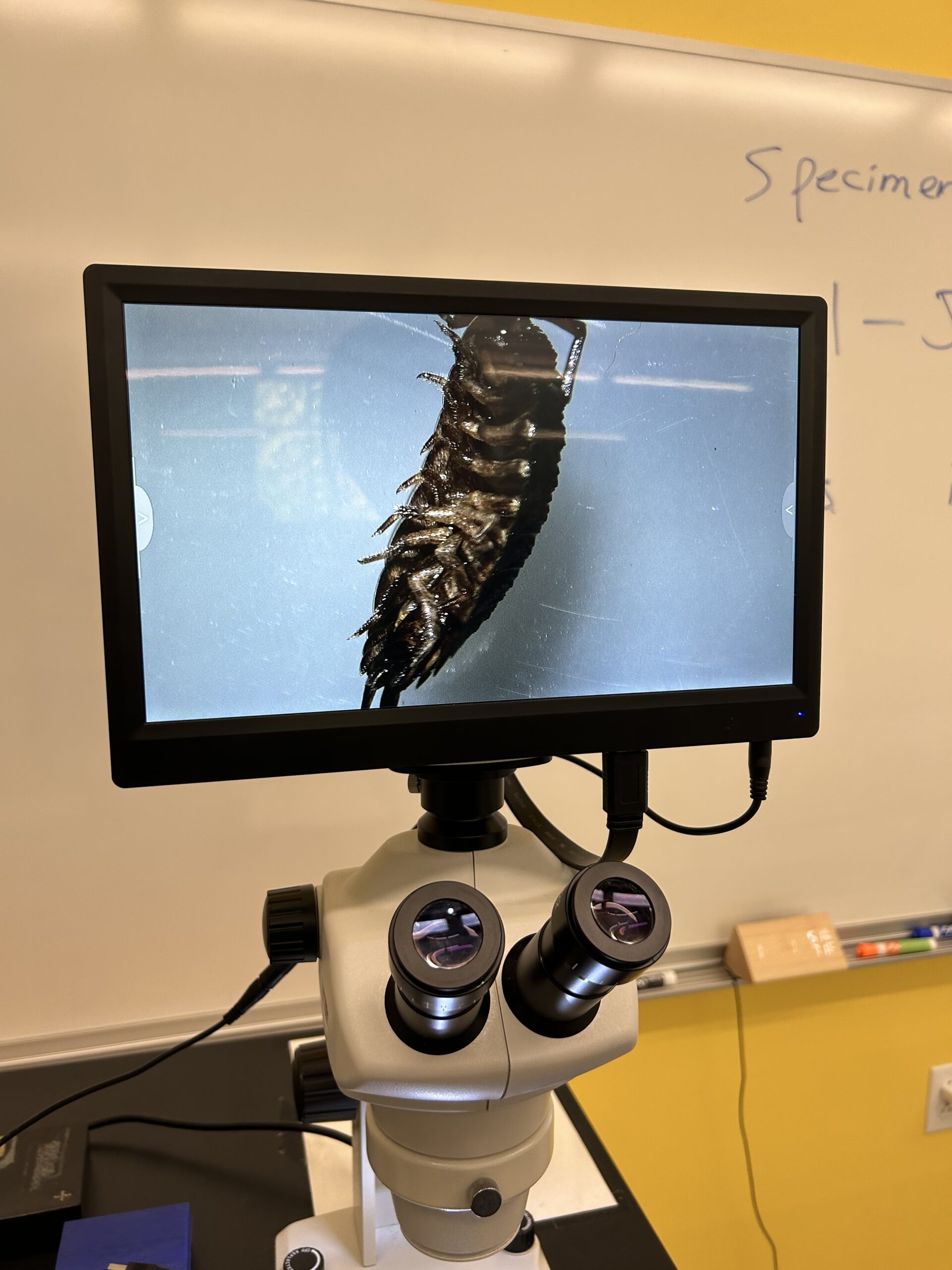
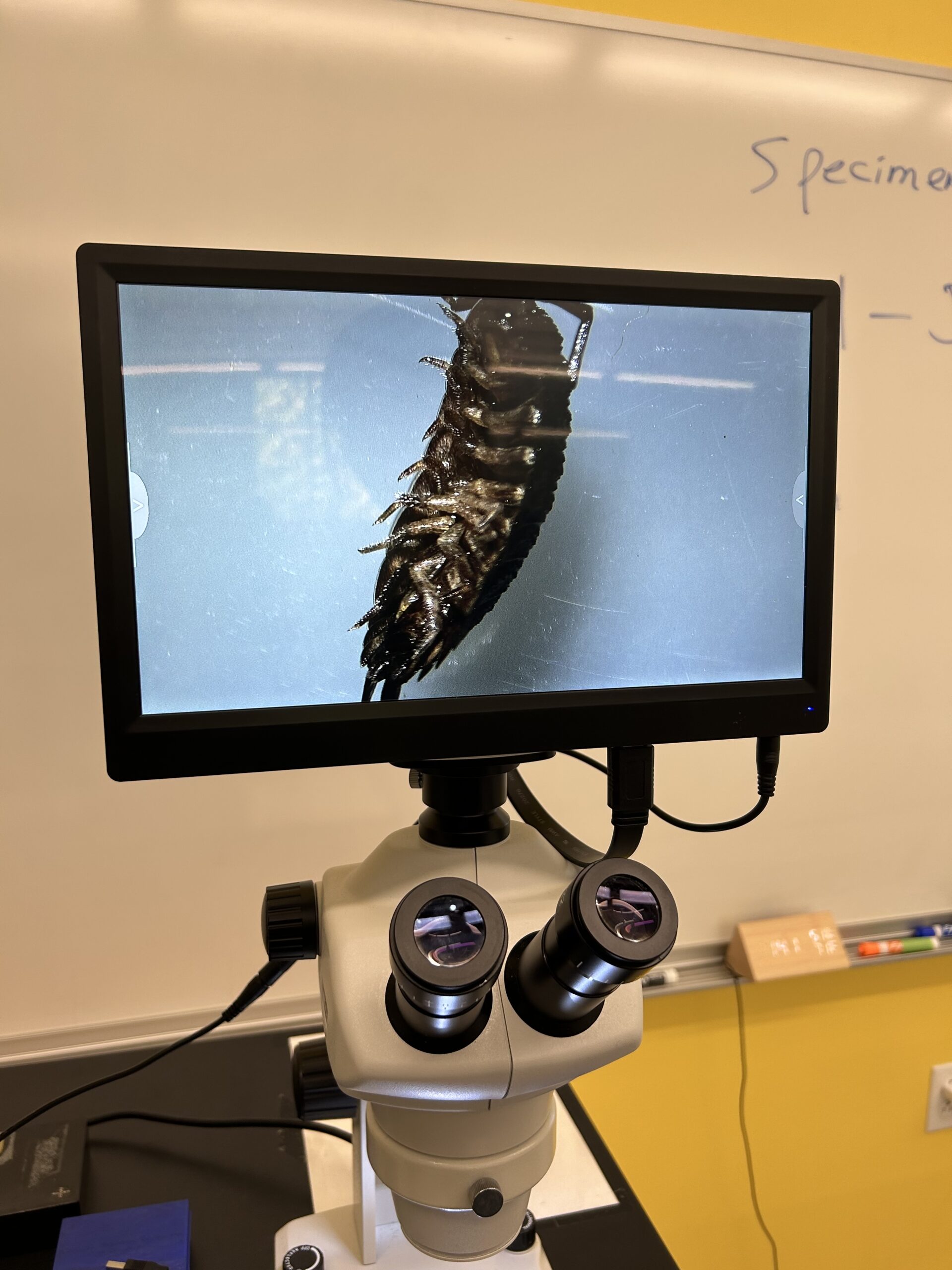
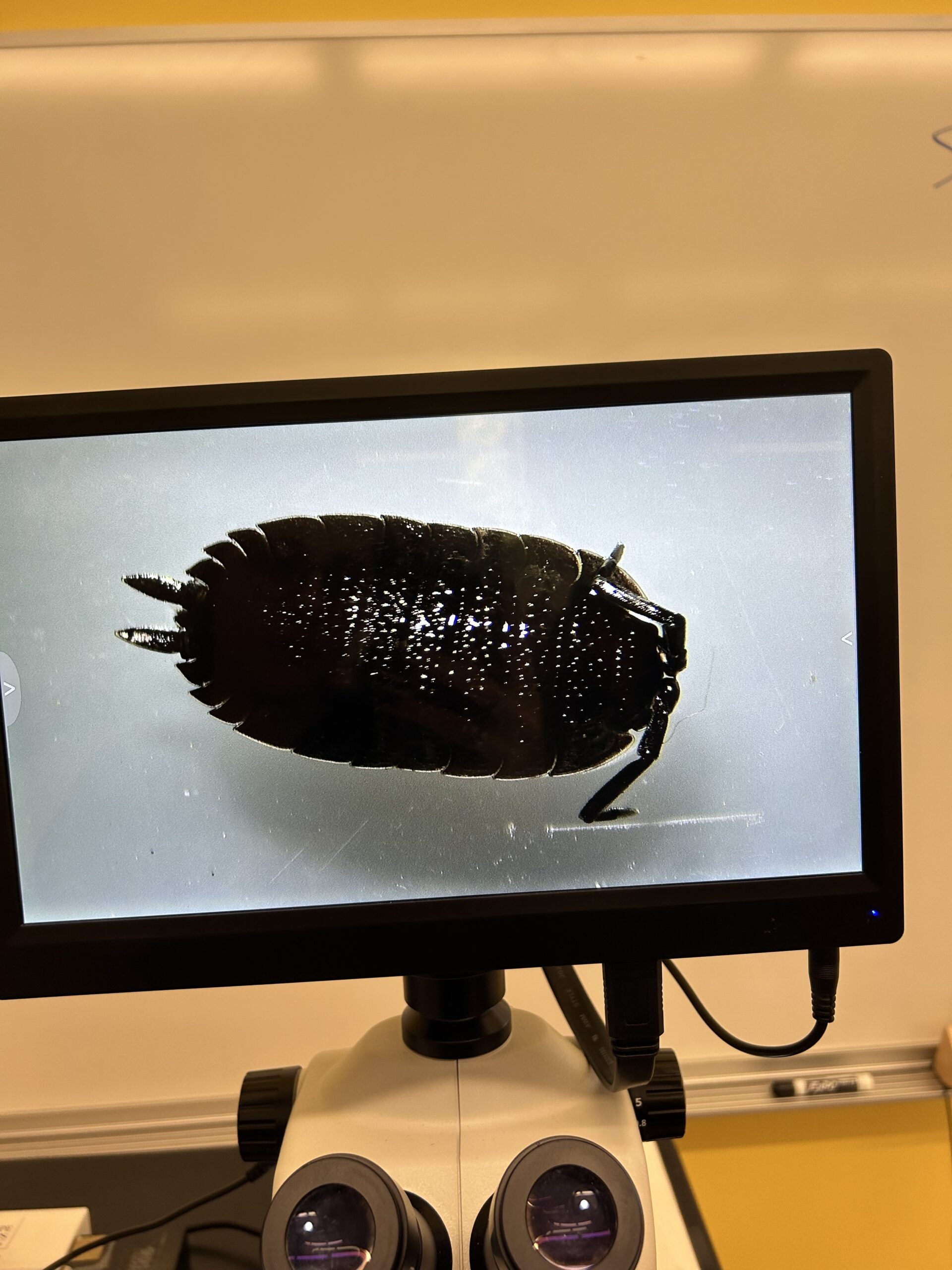
|
|---|---|
| Location | Approximate location: 42.45, -73.25 |
| Collection date | 09/30/2025 |
| Captive / Cultivated? | Wild-caught |
| Group | Berkshire Community College |
| Observations | Found on my windowsill surrounded by leave debris. |
| Putative identification | Arthropoda Malacostraca Isopoda Cylisticidae Cylisticus Cylisticus convexus |
Methods |
|
| Extraction kit | Monarch DNA extraction (NEB) |
| DNA extraction location | Abdomen |
| Single or Duplex PCR | Duplex Reaction |
| Gel electrophoresis system | Edvotek Gel Electrophoresis |
| Buffer | 1X TAE |
| DNA stain | SYBR Safe |
| Gel images |
|
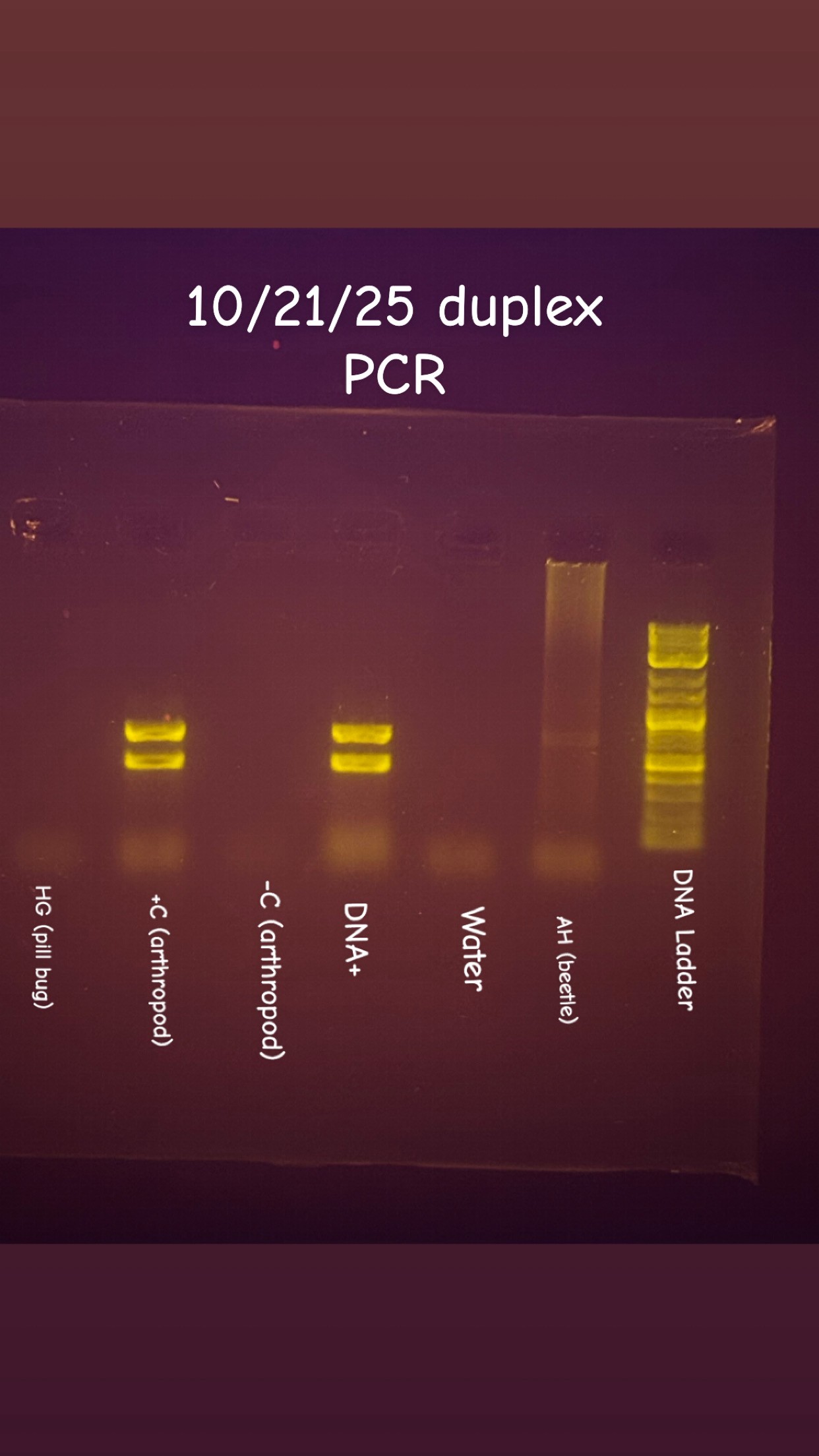
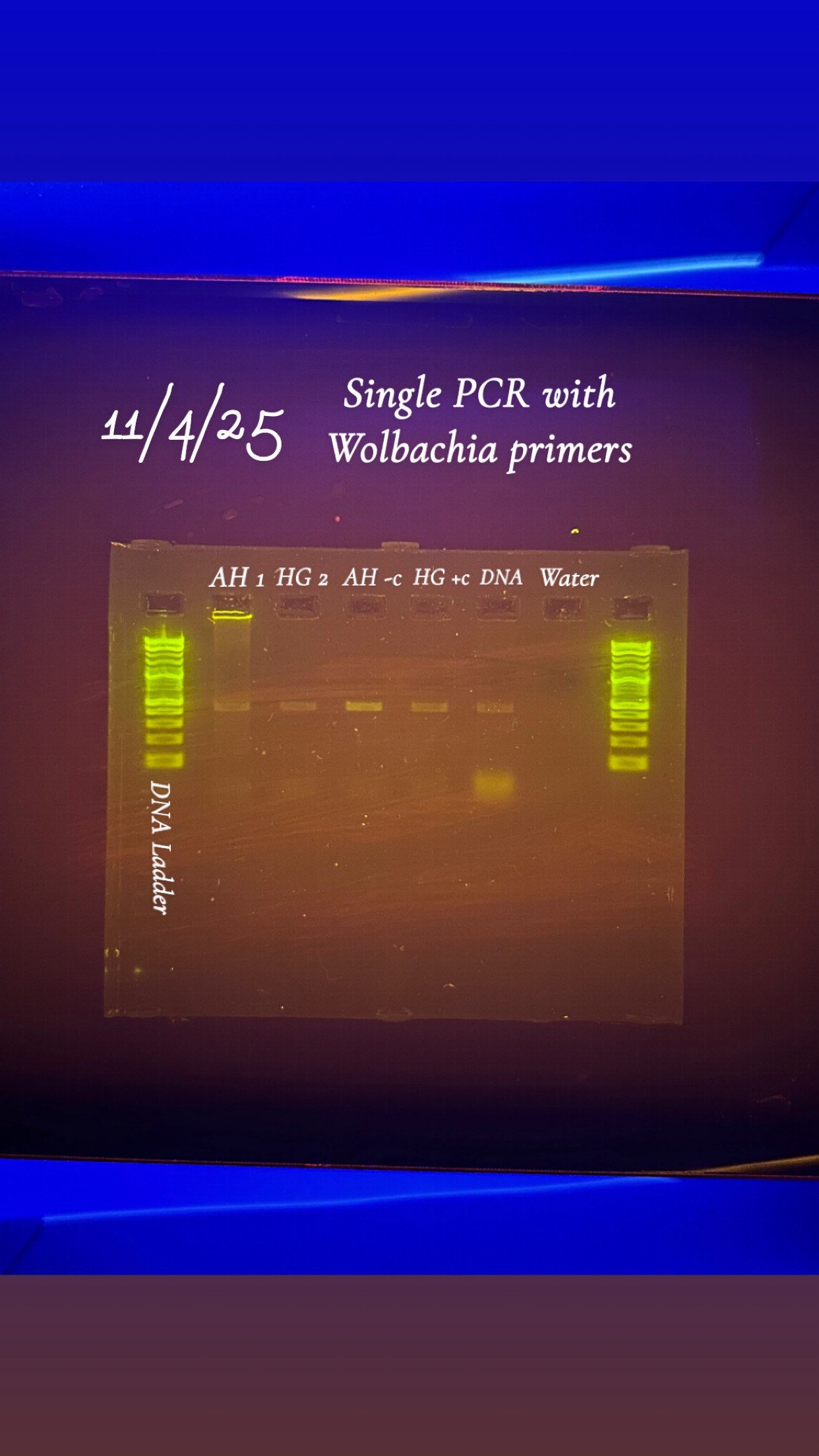
| Protocol notes | We used a DNA extraction protocol based on the insect adaptation of New England Biolabs’ Monarch Spin gDNA Extraction Kit (Product # T3010). The specimen was incubated for 30 minutes in a hot water bath at 56 degrees C. Our first PCR reaction was set up on 10/14/2025 and was a duplex reaction because we used both the Arthropod CO1 and Wolbachia 16S primers together. We used an annealing temperature of 49 degrees Celsius. We used this Taq polymerase: New England Biolabs OneTaq Hot Start Quick Load 2X Master Mix with Standard Buffer (#M0488S) Our first gel image was taken on 10/21/25 after our first PCR test and was run at 125 volts for 25 minutes. We used New England Biolabs 1 kb Plus DNA Ladder for Safe Staines (product # N0559S) Our second second PCR reaction was set p on 10/28/25, used the same Taq polymerase as the first PCR reaction, and was a single reaction that used the Wolbachia F, R primers. We used an annealing temperature of 55 degrees Celsius. Our second gel image was taken on 11/4/25 after our first PCR and was run at 125 volts for 20-25 minutes. We used this DNA Ladder: New England Biolabs 1 kb Plus DNA Ladder for Safe Stains (product # N0559S) |
Results |
|
| Wolbachia presence | No |
| Confidence level | Low |
| Explanation of confidence level | After our first PCR test, my arthropod was negative for Wolbachia, because there was no band presented. Both of our positive controls showed two bands, however my arthropod did not present any band at all. This suggests our results from DNA extraction likely did not work. On our second PCR test ran on 11/4/25, our results showed a gel image with bands at 438 base pairs on every column, except the water column. This suggests cross contamination, likely in the PCR cocktail. The -C control should additionally not be showing up at 438 base pairs. This shows that while our PCR test worked correctly, the results are inconclusive.
12/9/25 Because no CO1 sequence was obtained, BLAST identification and phylogenetic placement for this sample were not applicable |
| Wolbachia 16S sequence | |
| Arthropod COI sequence |
|
| Summary | The Cylisticus convexus was found to be negative for Wolbachia. |
 (no title)
 Yellowjacket Wasp
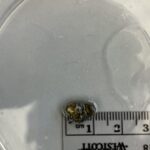 Pillbug
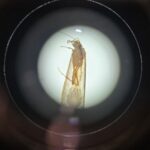 Umpachene Falls Caddisfly
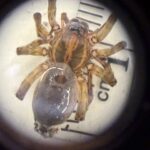 Wolf Spider