Sample information |
|
| Picture |
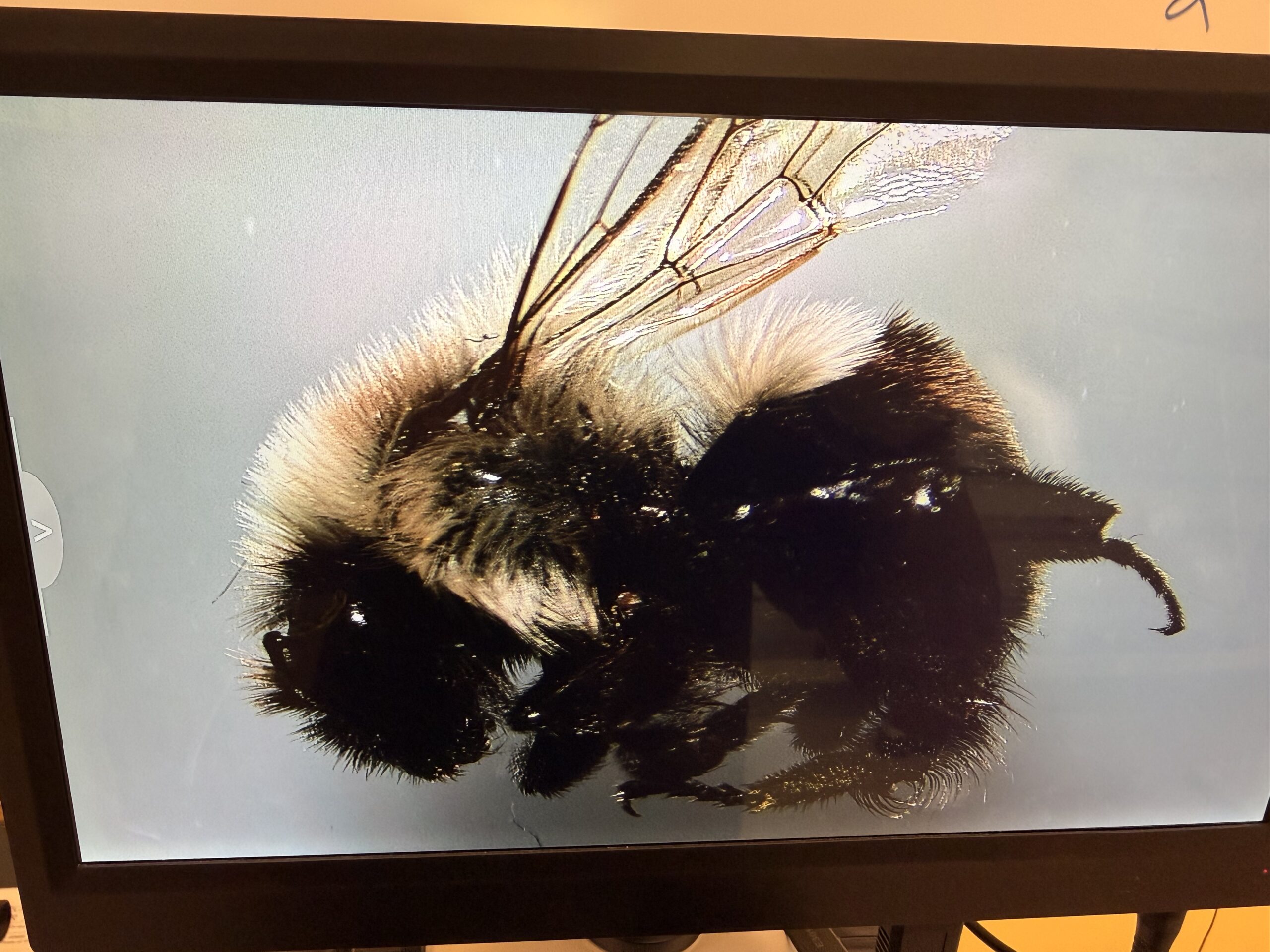
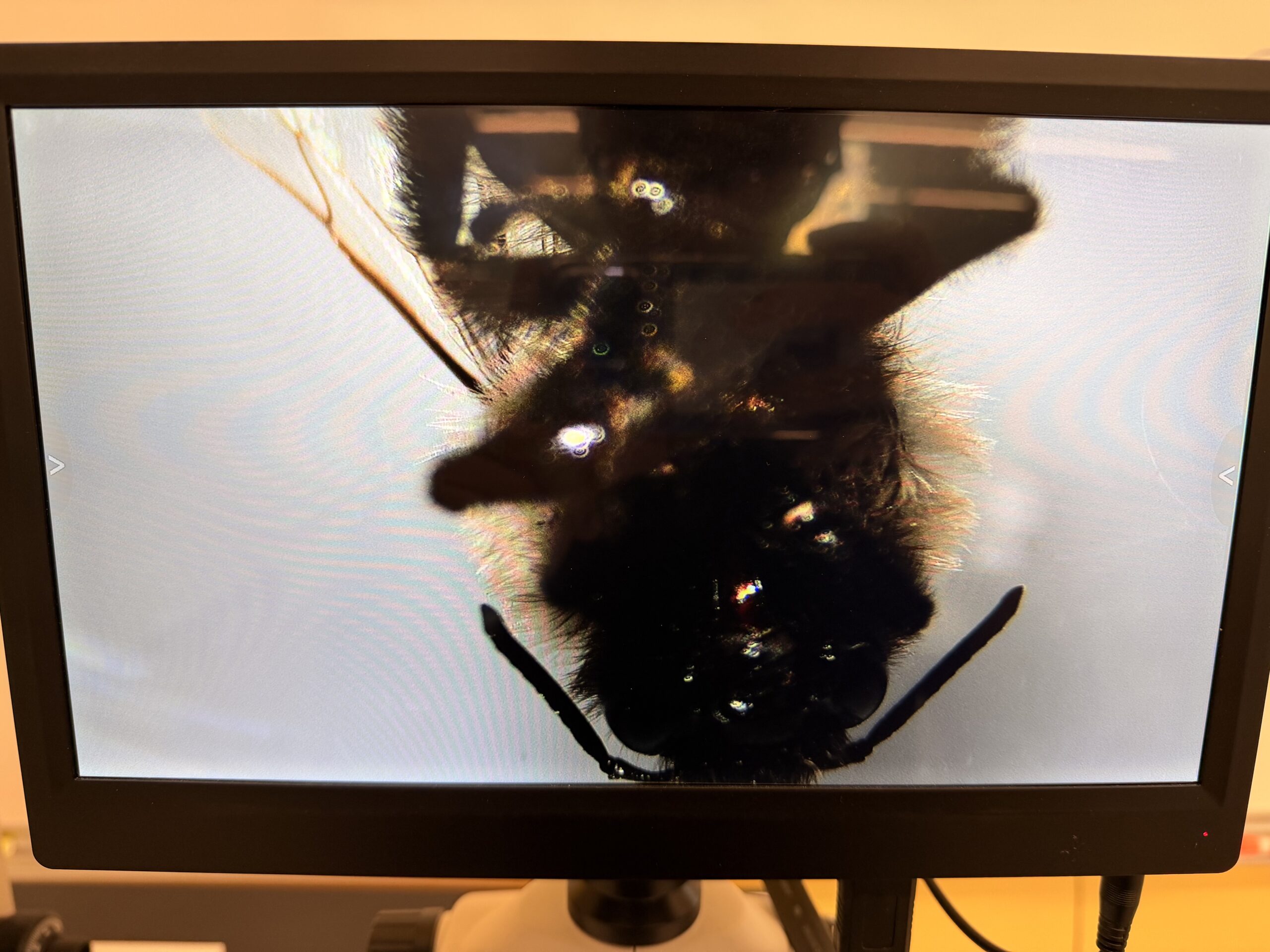
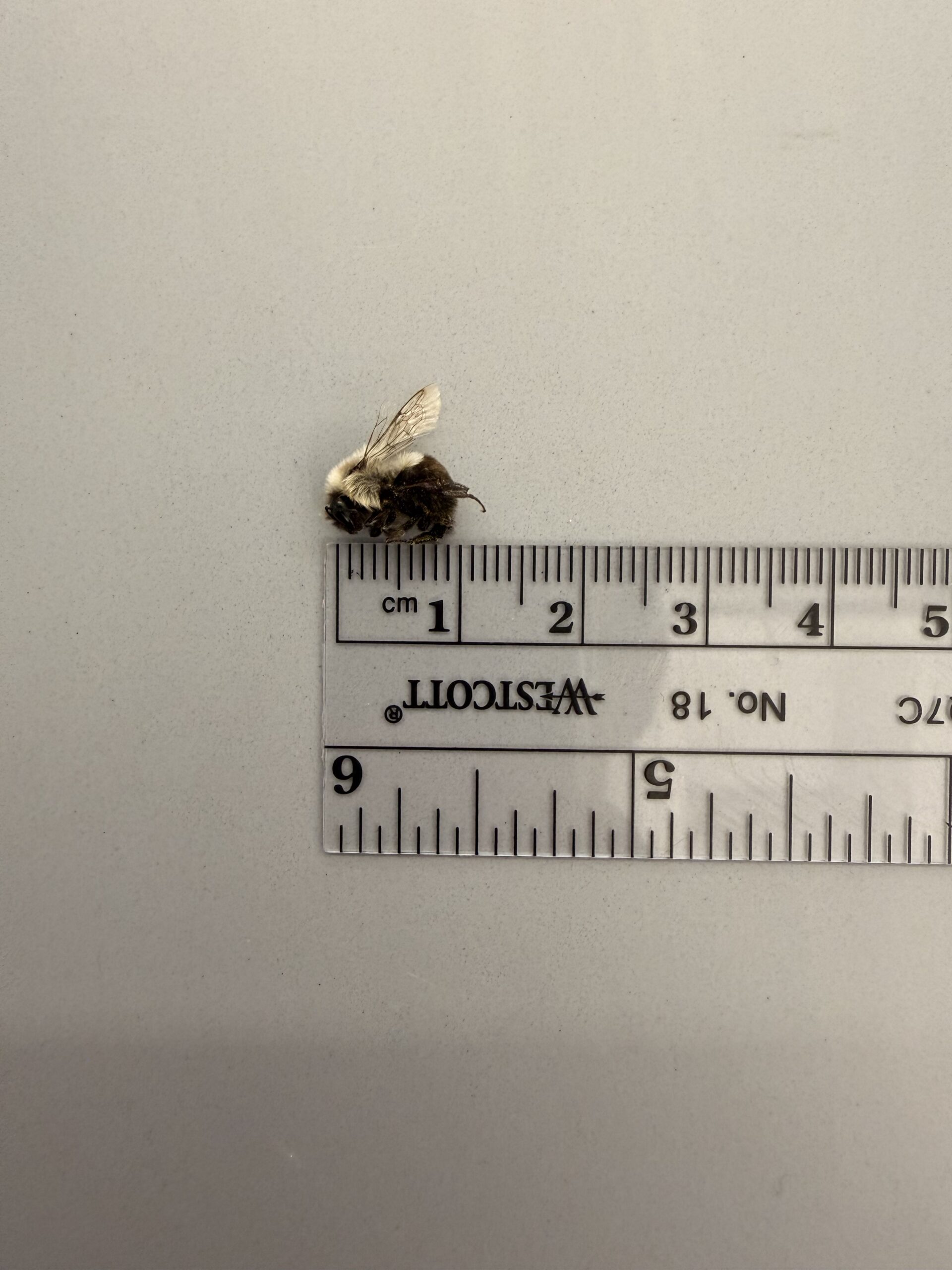
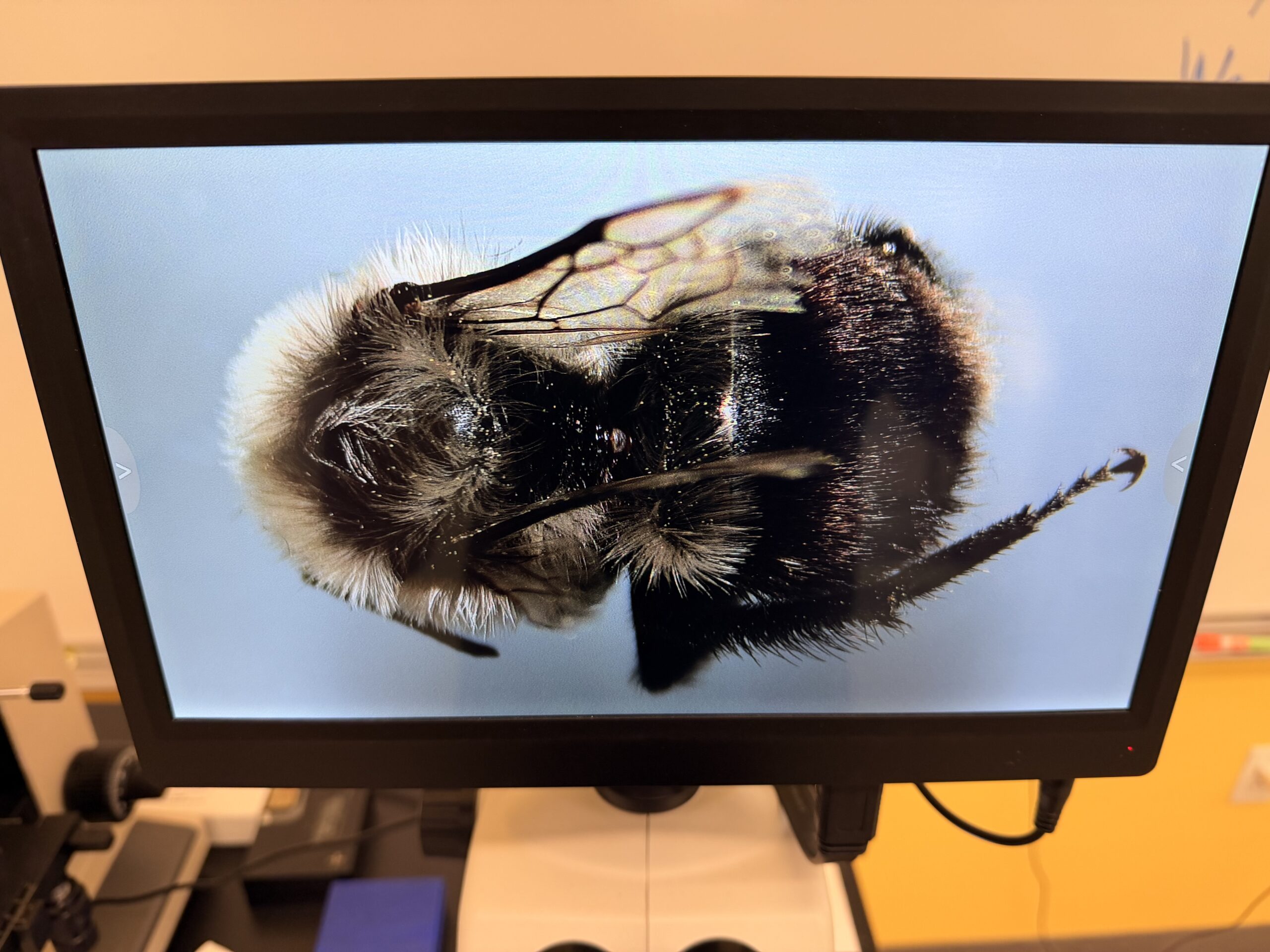
|
|---|---|
| Location | Approximate location: 42.46, -73.31 |
| Collection date | 10/01/2025 |
| Captive / Cultivated? | Wild-caught |
| Group | Berkshire Community College |
| Observations | It was extracting polen with the rest of bees, it is very fluffy under the microscope. Has wings and has 6 legs. |
| Putative identification | Arthropoda Insecta Hymenoptera Apidae Bombus Bombus impatiens |
Methods |
|
| Extraction kit | Monarch DNA extraction (NEB) |
| DNA extraction location | Abdomen |
| Single or Duplex PCR | Duplex Reaction |
| Gel electrophoresis system | Standard electrophoresis system |
| Buffer | 1X TAE |
| DNA stain | SYBR Safe |
| Gel images |
|
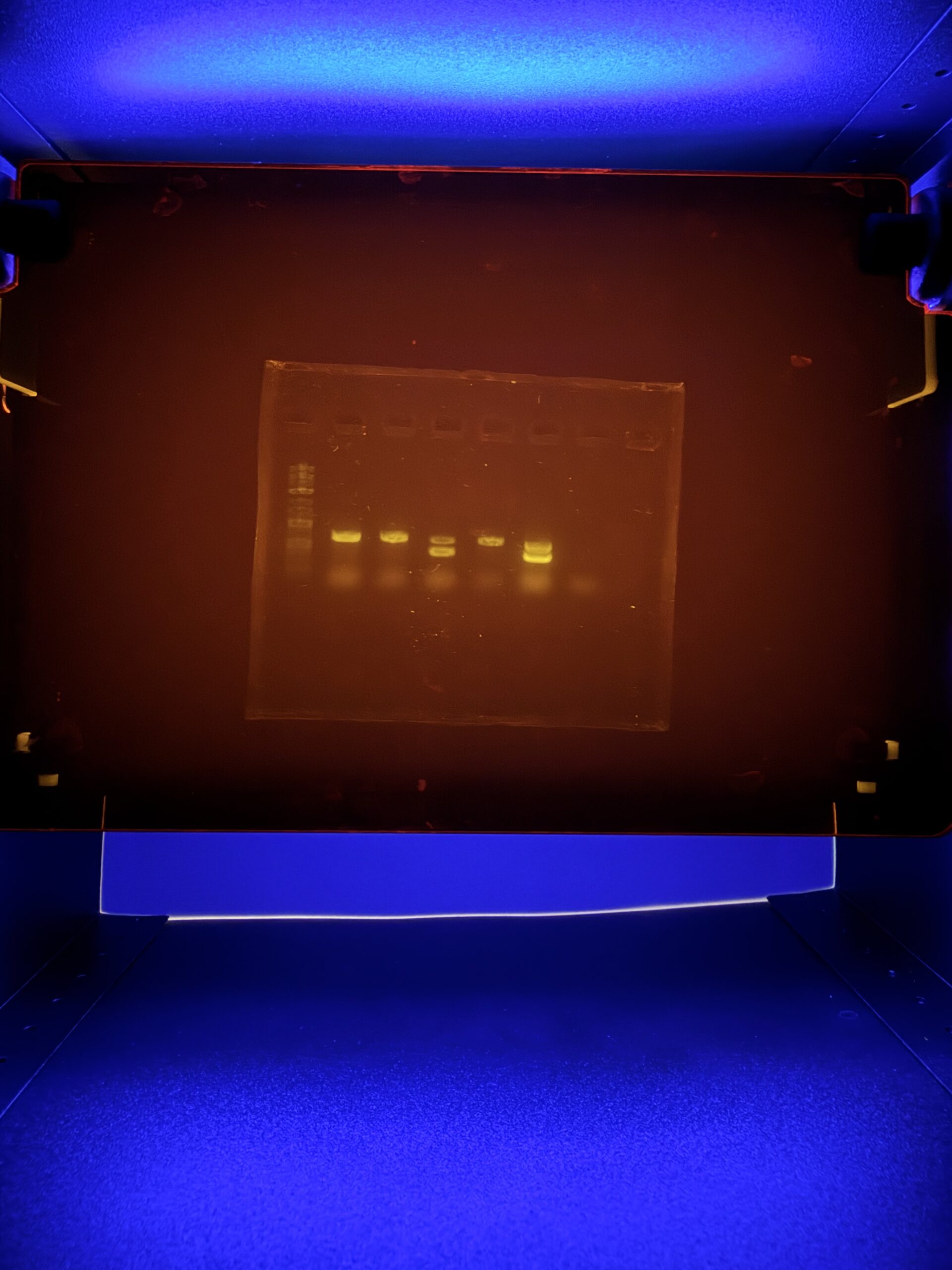
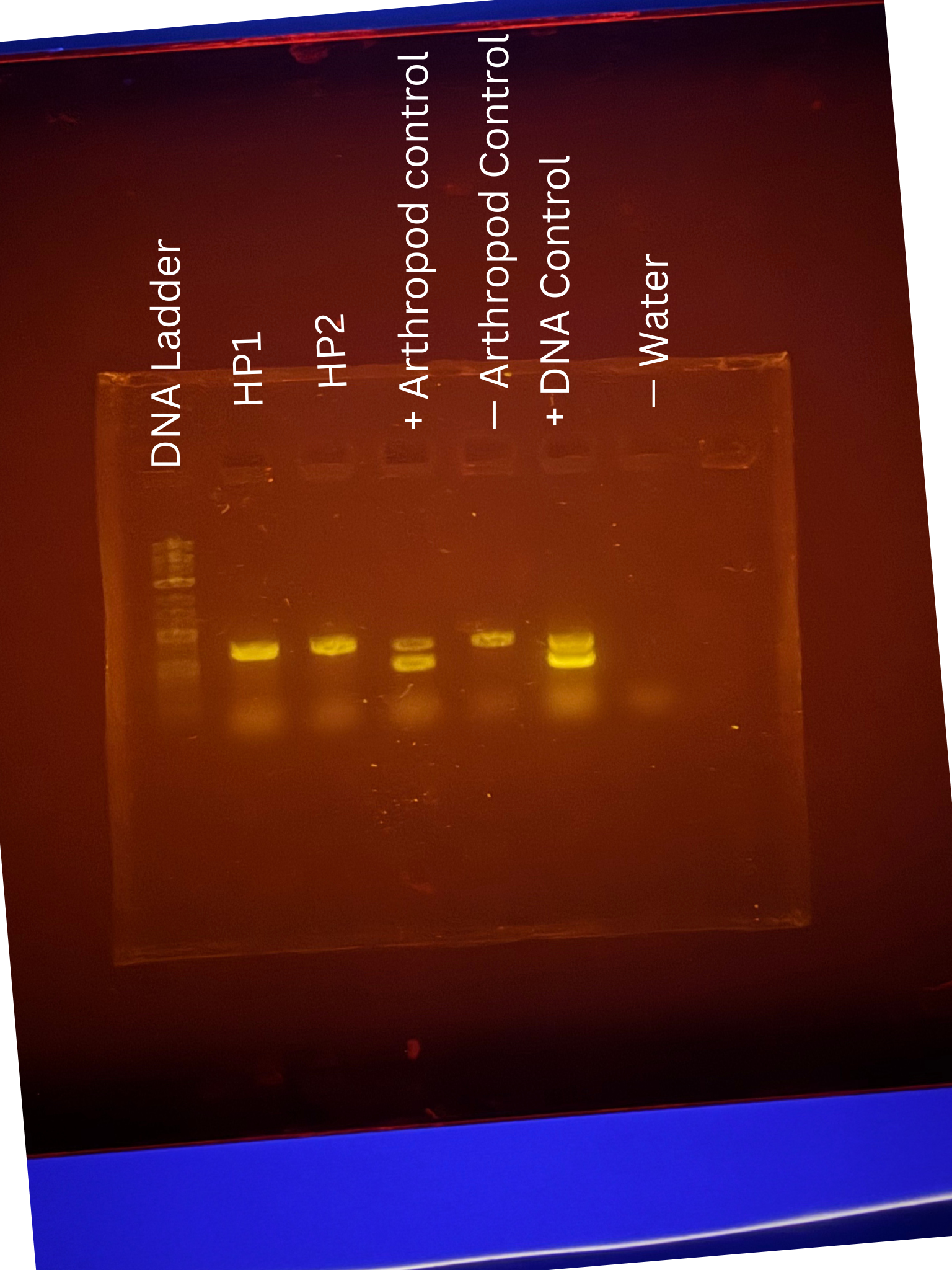
| Protocol notes | We followed throughly the steps to perform the gel electrophoresis and actually gave us valid results, on the pictures you can appreciate the labels |
Results |
|
| Wolbachia presence | No |
| Confidence level | Medium |
| Explanation of confidence level | We aren’t very confident in our confidence level because this would be the first one that we perform that actually gives us valid results, but our results show that my arthropod (HP_2) is negative for wolbachia as no bands show around 400 bp. All of our controls were where they were supposed to, so that is also why our confidence is medium and now low because if we were to see bands on water, would mean we absolutely did something wrong. DNA sequence for the CO1 gene was a match for a different arthropod, the thick-headed fly (Physocephala furcillata). We are unsure as to why. |
| Wolbachia 16S sequence | |
| Arthropod COI sequence | Download AB1
GAGCAGGAATAGTAGGAACATCATTAAGAATATTAATTCGAGTAGAATTAGGTCATCCAGGAACATTTATTGGAAATGATCAAATTTATAATGTAATTGTTACAGCACATGCATTTATCATAATTTTTTTTATGGTAATACCAATTATAATTGGAGGATTTGGAAATTGACTAGTACCCCTAATACTAGGAGCCCCTGATATAGCCTTTCCCCGAATAAATAATATAAGTTTTTGATTATTACCACCTTCCCTTACATTATTATTAATAAGAAGAATAGTAGAAAGAGGAGCCGGTACAGGGTGAACAGTATACCCGCCACTCTCATCCACTATTGCTCATAGAGGAGCATCAGTTGATTTAGCAATTTTTAGATTACATCTAGCTGGAATTTCTTCTATTTTAGGAGCCGTAAATTTTATTACTACAGTTATTAATATACGATCCCCTGGGATTACTCTAGATCGAATGCCTTTATTTGTTTGATCAGTAGTAATTACTGCACTTTTACTTCTATTGTCTTTACCTGTTCTAGCCGGAGCAATCACAATATTATTAACTGATCGTAATTTAAATACTTCATTCTTTGACCCAGCGGGAGGAGGAGATCCAATTTTATACCAACATCTATTTTGA
BLAST at The Wolbachia Project BLAST at NCBI
|
| Summary | The Bombus impatiens was found to be negative for Wolbachia. |
 (no title)
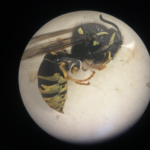 Yellowjacket Wasp
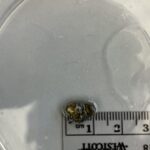 Pillbug
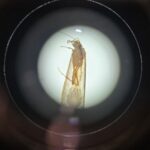 Umpachene Falls Caddisfly
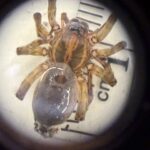 Wolf Spider