Sample information |
|
| Picture |
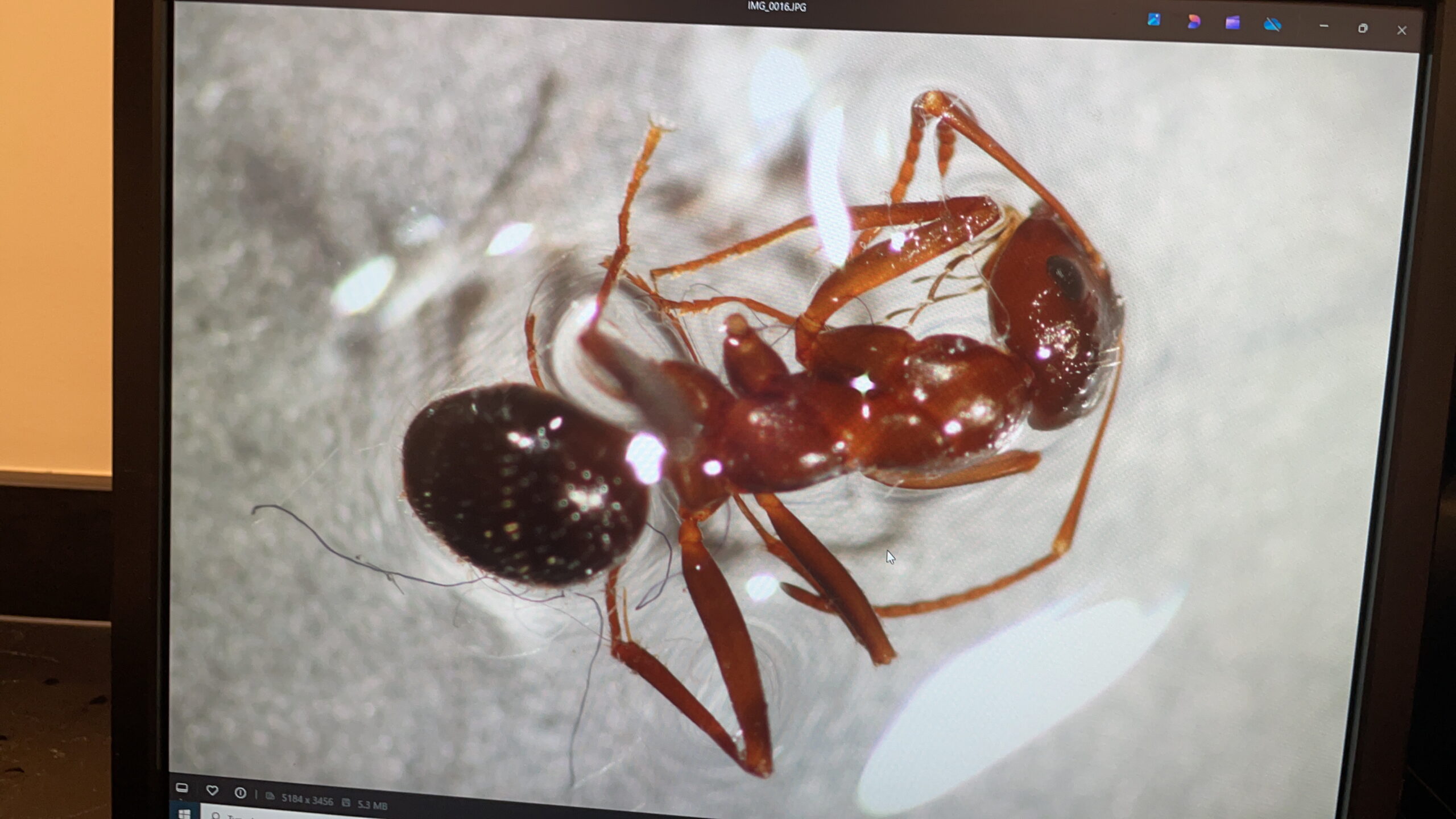
|
|---|---|
| Location | Approximate location: 41.78, -88.10 |
| Collection date | 09/02/2025 |
| Captive / Cultivated? | Wild-caught |
| Group | Benedictine University |
| Observations |
|
| Putative identification | Arthropoda Insecta Hymenoptera Formicidae Formica Formica pallidefulva |
Methods |
|
| Extraction kit | DNeasy (Qiagen) blood and tissue kit. |
| DNA extraction location | Whole arthropod |
| Single or Duplex PCR | Single Reaction |
| Gel electrophoresis system | Standard electrophoresis system |
| Buffer | TAE |
| DNA stain | SYBR Safe |
| Gel images |
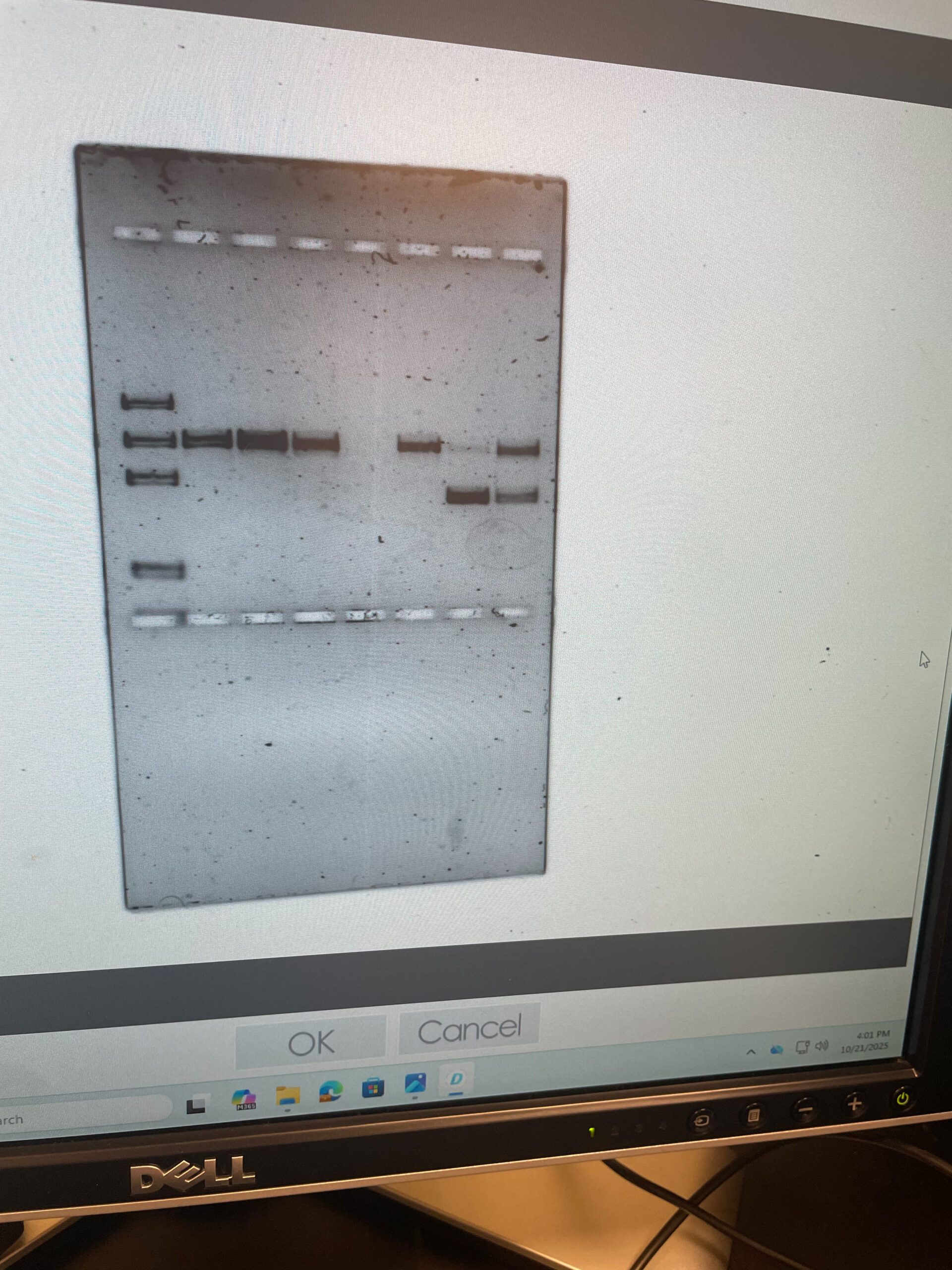
|
| Protocol notes | |
Results |
|
| Wolbachia presence | No |
| Confidence level | Low |
| Explanation of confidence level | My confidence level is low because even though the SEEK app and the BLAST results pointed to the same general type of ant (a field ant), the BLAST percentage identity was only 97.26%. For species-level identification, we usually want a match of 99–100% to be confident. Anything below that can mean the sequence was low quality, or the sample was contaminated. Because of this lower identity value, I cannot be fully certain that the identification is completely accurate. |
| Wolbachia 16S sequence | |
| Arthropod COI sequence | Download FASTA
Download AB1
|
| Summary | The Formica pallidefulva was found to be negative for Wolbachia. |
 collected by Fall 2025 students
 (no title)
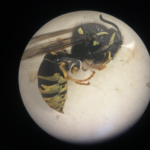 Yellowjacket Wasp
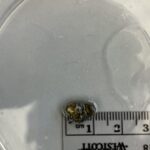 Pillbug
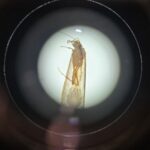 Umpachene Falls Caddisfly
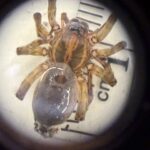 Wolf Spider