Sample information |
|
| Picture |
|
|---|---|
| Location | Approximate location: 35.74, -81.89 |
| Collection date | 11/13/2025 |
| Captive / Cultivated? | Wild-caught |
| Group | NCSSM |
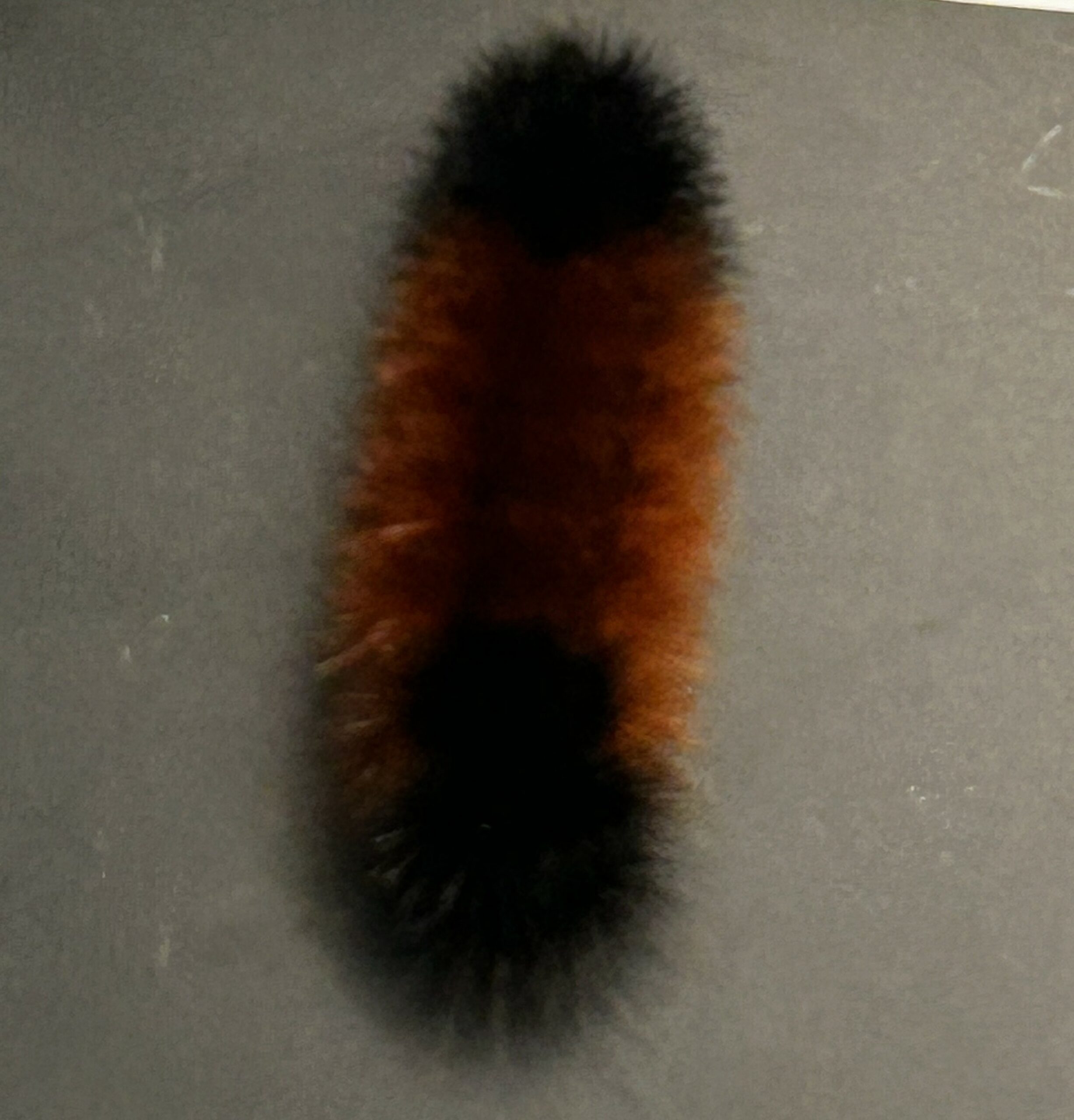
| Observations | My group partner and I found this Wolly worm on a sidewalk, near a forest-like place. We saw this Wolly worm in the morning, around 11 AM on a windy day. When we tried to collect the worm in a jar, we noticed that it kept compressing its body and folding up. |
| Putative identification | Arthropoda Insecta Lepidoptera |
Methods |
|
| Extraction kit | DNeasy (Qiagen) blood and tissue kit |
| DNA extraction location | Abdomen |
| Single or Duplex PCR | Single Reaction |
| Gel electrophoresis system | MiniPCR |
| Buffer | TBE |
| DNA stain | GelGreen |
| Gel images |
|
| Protocol notes |
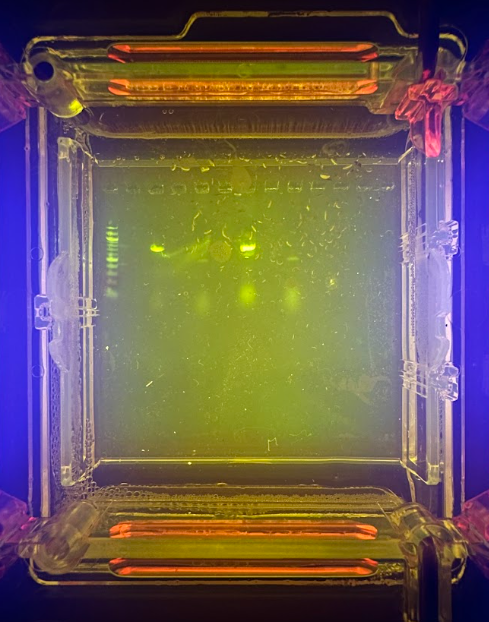
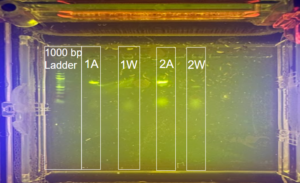
Gel electrophoresis: We used both an arthropod and Wolbachia primer for amplification, as an arthropod primer helped us understand if the PCR is working properly and our DNA was extracted well. While, the Wolbachia primers helped us understand if there was a presence of such gene. 1- Ladder 3- Wolly Worm #1, Arthropod Primer 5- Wolly Worm #1, Wolbachia Primer 7- Wolly Worm #2, Arthropod Primer (My sample) 9- Wolly Worm #2, Wolbachia Primer (My sample) (Our controls were conducted by two other group members, who were conducting the same protocols but for a Boxelder Bug (As our final study is the comparative study of Wolbachia presence between Lepidoptera’s (Wolly Worm in this case) and Hemipterans (Boxelder Bugs) Result Analysis: The Bands are not too bad, considering we can properly see the bp that was amplified by the Arthropod primers, and faintly see the bp amplified by Wolbachia primers. |
Results |
|
| Wolbachia presence | Yes |
| Confidence level | Medium |
| Explanation of confidence level | I was expecting my gels to work a little more better, within an organized manner. |
| Wolbachia 16S sequence |
not too confident, as they faintly appear
BLAST at The Wolbachia Project BLAST at NCBI
|
| Arthropod COI sequence |
CAAAAAATGATGTATTTAAATTTCGATCTGTTAAAAGTATAGTAATAGCACCTGCTAAAACAGGTAAGGA AAGAAGAAGTAAAAAAGCAGTAATTCCCACTGCTCAAACAAATAAAGGTATTTGATCAAATGATAAATTA TTTAATCGTATATTAATAATTGTGGTAATAAAATTAATAGCTCCTAAAATTGAAGAAATTCCCGCTAGAT GTAAAGAAAAAATGGCTAAATCAACAGAACTACCACCGTGGGCAATATTGGATGAAAGGGGGGGATAAAC AGTTCATCCAGTACCTGCTCCATTTTCTACAATTCTTCTTGAGATTAATAAAGTTAAAGATGGGGGTAAA AGTCAAAAACTTATGTTATTTATTCGGGGGAAAGCTATATCAGGGGCTCCTAATATTAAAGGAACTAATC AATTACCAAATCCTCCAATTATAATAGGTATAACTATAAAAAAAATTATAATAAAAGCATGAGCTGTAAC AATAGTATTATAAATTTGATCATCTCCGATTAAGGATCCGGGTATCCCTAATTCTGCTCGAATTAATAAT CTTAATGAAGTTCCTACTATTCCTGCCCAA
BLAST at The Wolbachia Project BLAST at NCBI
|
| Summary | The Lepidoptera was found to be postive for Wolbachia. |
 DNA Extraction: Considering our Wolly Worm(s) were bigger than a grain of rice, we had to take the worm apart and pull out some DNA located right within the abdomen.
 (no title)
 Yellowjacket Wasp
 Pillbug
 Umpachene Falls Caddisfly
 Wolf Spider