Sample information |
|
| Picture |
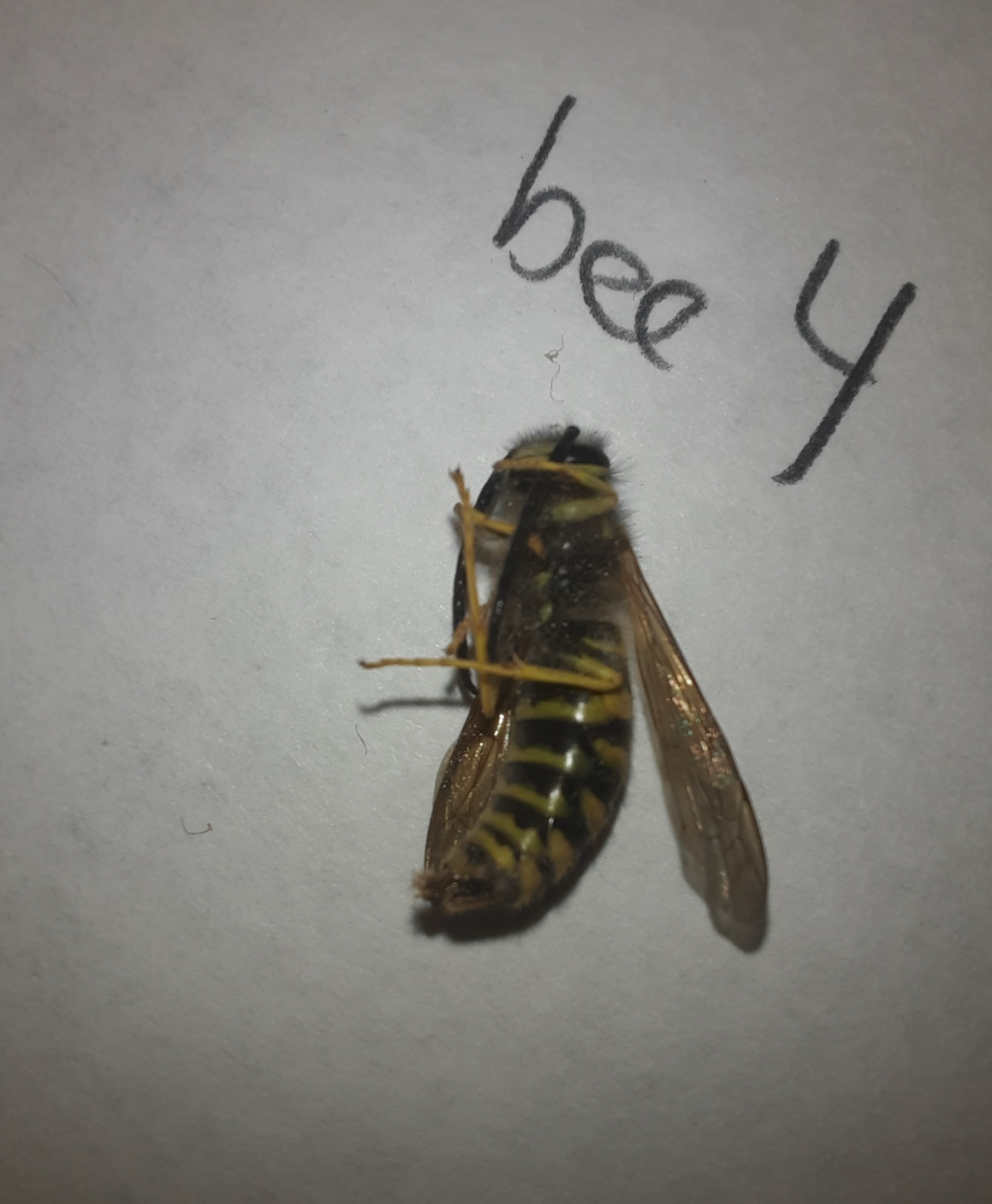
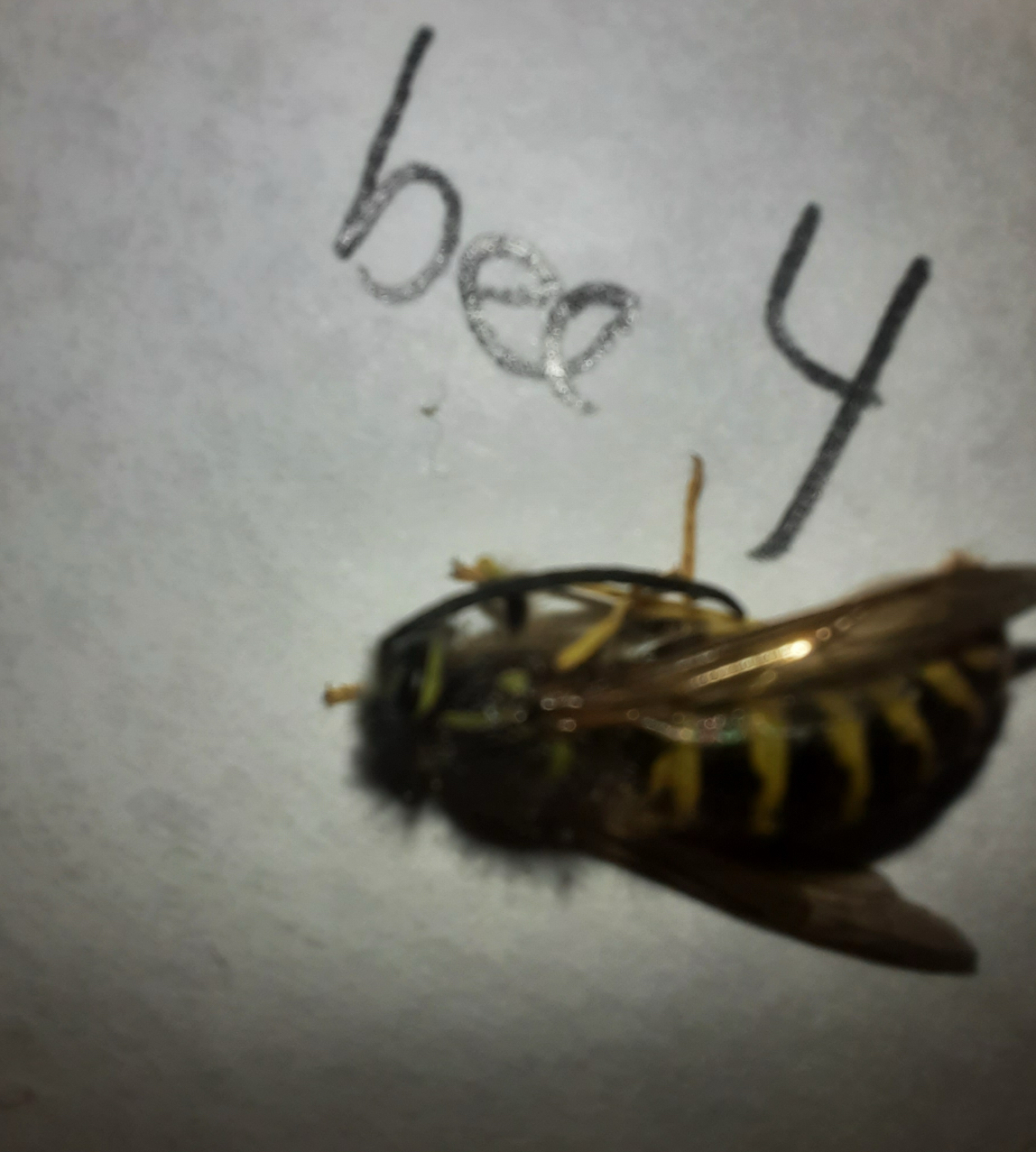
|
|---|---|
| Location | No map location data available. |
| Collection date | 09/25/2025 |
| Captive / Cultivated? | Wild-caught |
| Group | Rutgers Preparatory School |
| Observations | Found in the art room classification :Yellowjacket and hornets |
| Putative identification | Arthropoda |
Methods |
|
| Extraction kit | DNeasy (Qiagen) blood and tissue kit |
| DNA extraction location | Whole arthropod |
| Single or Duplex PCR | Single Reaction |
| Gel electrophoresis system | Standard electrophoresis system Bio-Rad |
| Buffer | 1X TAE |
| DNA stain | GelGreen |
| Gel images |
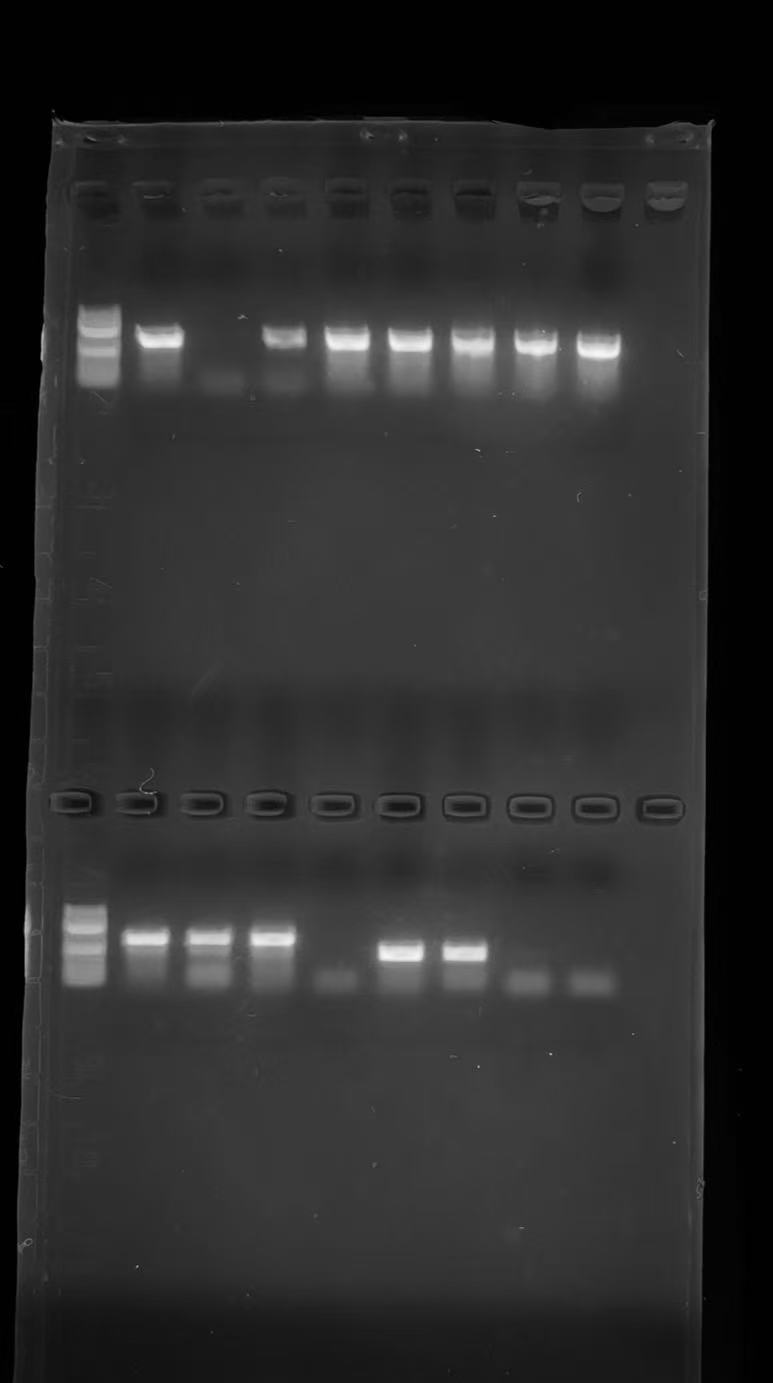
|
| Protocol notes | DNA was extracted from the whole bee using the Qiagen DNeasy Blood and Tissue Kit. PCR was performed using arthropod primers (708 bp) and Wolbachia primers (438 bp). Gel electrophoresis with 1X TAE buffer and GelGreen stain confirmed DNA extraction and PCR results. Arthropod DNA was detected, but Wolbachia was not present |
Results |
|
| Wolbachia presence | No |
| Confidence level | High |
| Explanation of confidence level | I am highly confident in this result because the DNA extraction worked (the 708 bp arthropod band is clearly visible), the PCR reactions were successful as confirmed by positive controls, and the gel staining and electrophoresis worked properly. Since no 438 bp Wolbachia band appeared for Bee 4, we can reliably conclude that this bee is Wolbachia negative |
| Wolbachia 16S sequence | |
| Arthropod COI sequence |
|
| Summary | The Arthropoda was found to be negative for Wolbachia. |
 (no title)
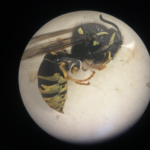 Yellowjacket Wasp
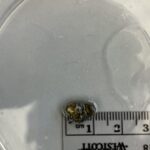 Pillbug
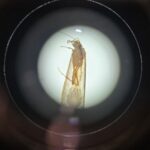 Umpachene Falls Caddisfly
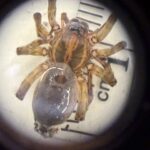 Wolf Spider