Sample information |
|
| Picture |
|
|---|---|
| Location | Approximate location: 40.80, -77.86 |
| Collection date | 09/28/2025 |
| Captive / Cultivated? | Wild-caught |
| Group | Penn State University |
| Observations | An arthropod was observed in front of the HUB at approximately 6:30 PM. The weather conditions were cloudy, with an estimated temperature of around 75°F. The organism was found on the ground surface and was observed crawling slowly across the pavement. No interactions with other organisms were noted during the observation period. The arthropod was discovered incidentally while walking through the area and was identified through general knowledge based on its small size, dark coloration, and typical movement pattern. The surrounding environment consisted of paved walkways and nearby grassy areas, which are consistent with the habitat of this organism. |
| Putative identification | Arthropoda Insecta Hymenoptera Formicidae |
Methods |
|
| Extraction kit | DNeasy (Qiagen) |
| DNA extraction location | Whole arthropod |
| Single or Duplex PCR | Duplex Reaction |
| Gel electrophoresis system | agarose gel electrophoresis |
| Buffer | 1X TAE |
| DNA stain | Ethidium Bromide |
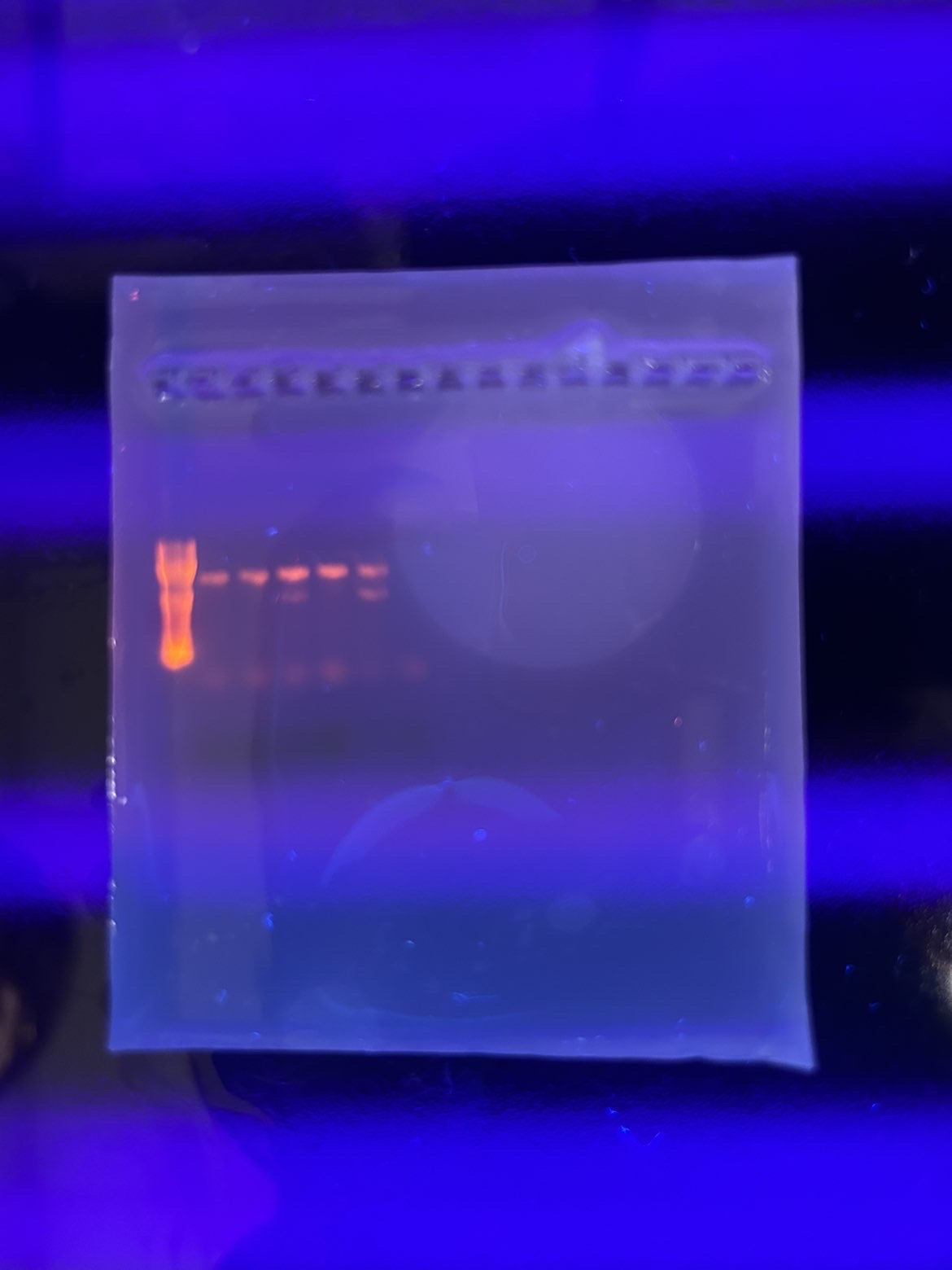
| Gel images |
|
| Protocol notes | Care was taken to avoid cross-contamination by using clean pipette tips and changing tips between samples. Wells were loaded carefully to prevent sample overflow or mixing between lanes. Positive and negative controls were included on each gel to validate PCR and electrophoresis results. The gel was run long enough to allow clear separation of bands, and exposure to UV light was minimized to prevent DNA damage. |
Results |
|
| Wolbachia presence | No |
| Confidence level | High |
| Explanation of confidence level | I am highly confident in the results because the positive and negative controls worked as expected. The positive control showed a clear Wolbachia-specific band, confirming that the PCR reaction and gel electrophoresis were functioning properly. The negative control showed no bands, demonstrating that there was no contamination. Since the Lasius neoniger sample showed no Wolbachia bands while the controls performed correctly, I can trust that this ant sample is indeed Wolbachia-negative |
| Wolbachia 16S sequence | |
| Arthropod COI sequence |
|
| Summary | The Formicidae was found to be negative for Wolbachia. |
 (no title)
 Yellowjacket Wasp
 Pillbug
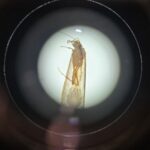 Umpachene Falls Caddisfly
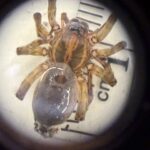 Wolf Spider