Sample information |
|
| Picture |
|
|---|---|
| Location | Approximate location: 42.45, -73.24 |
| Collection date | 02/25/2026 |
| Captive / Cultivated? | Wild-caught |
| Group | Berkshire Community College |
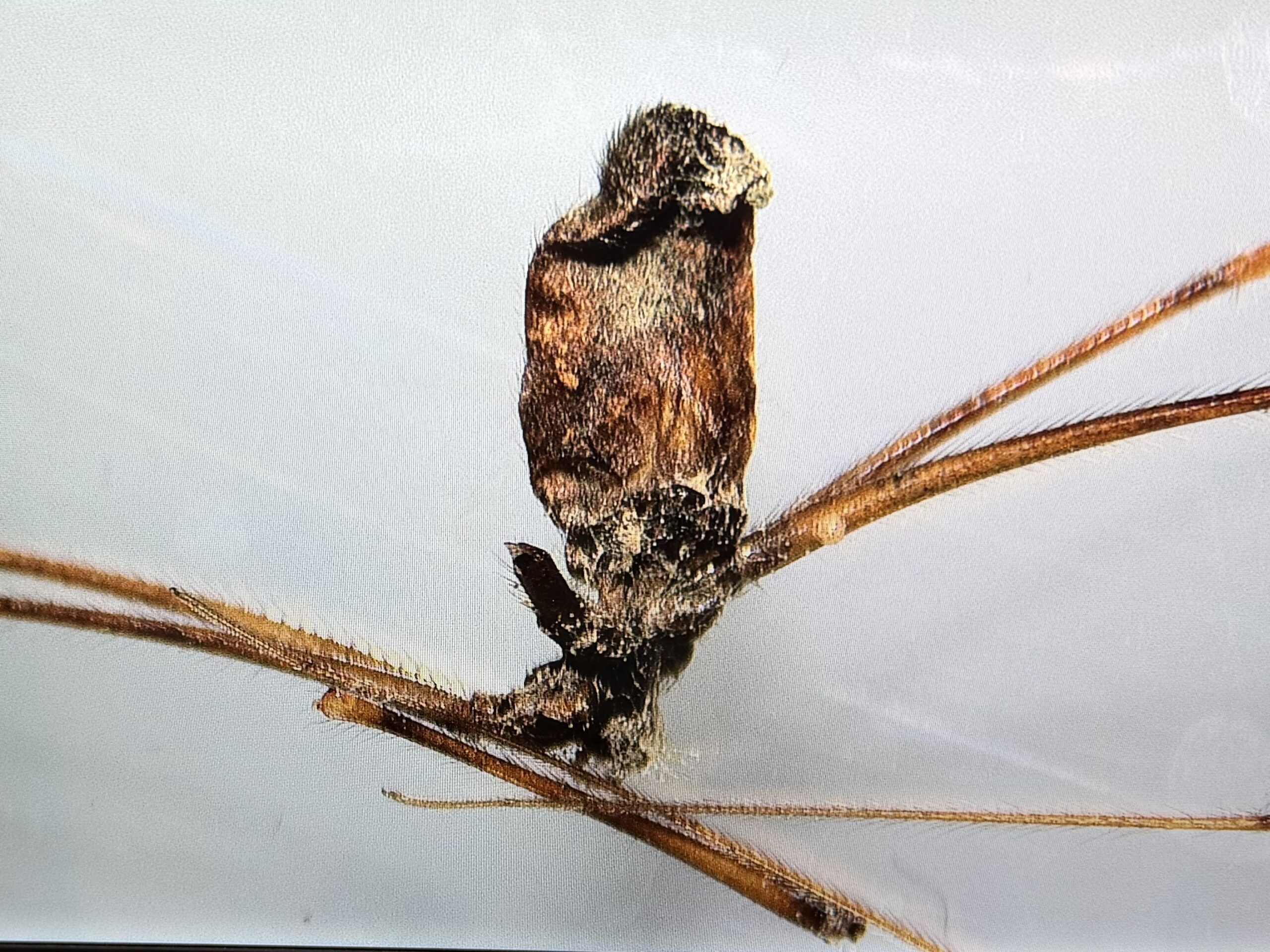
| Observations | The specimen was found at 6:00 AM in a residential basement. It was situated in an irregular, tangled web in a dark, undisturbed corner near the ceiling. The environment was cool and dimly lit. The arthropod was alive and active at the time of collection. |
| Putative identification | Arthropoda Arachnida Araneae |
Methods |
|
| Extraction kit | pcr |
| DNA extraction location | Berkshire Community College Lab |
| Single or Duplex PCR | Duplex Reaction |
| Gel electrophoresis system | Standard electrophoresis system |
| Buffer | TAE |
| DNA stain | SYBR Safe |
| Gel images |
|
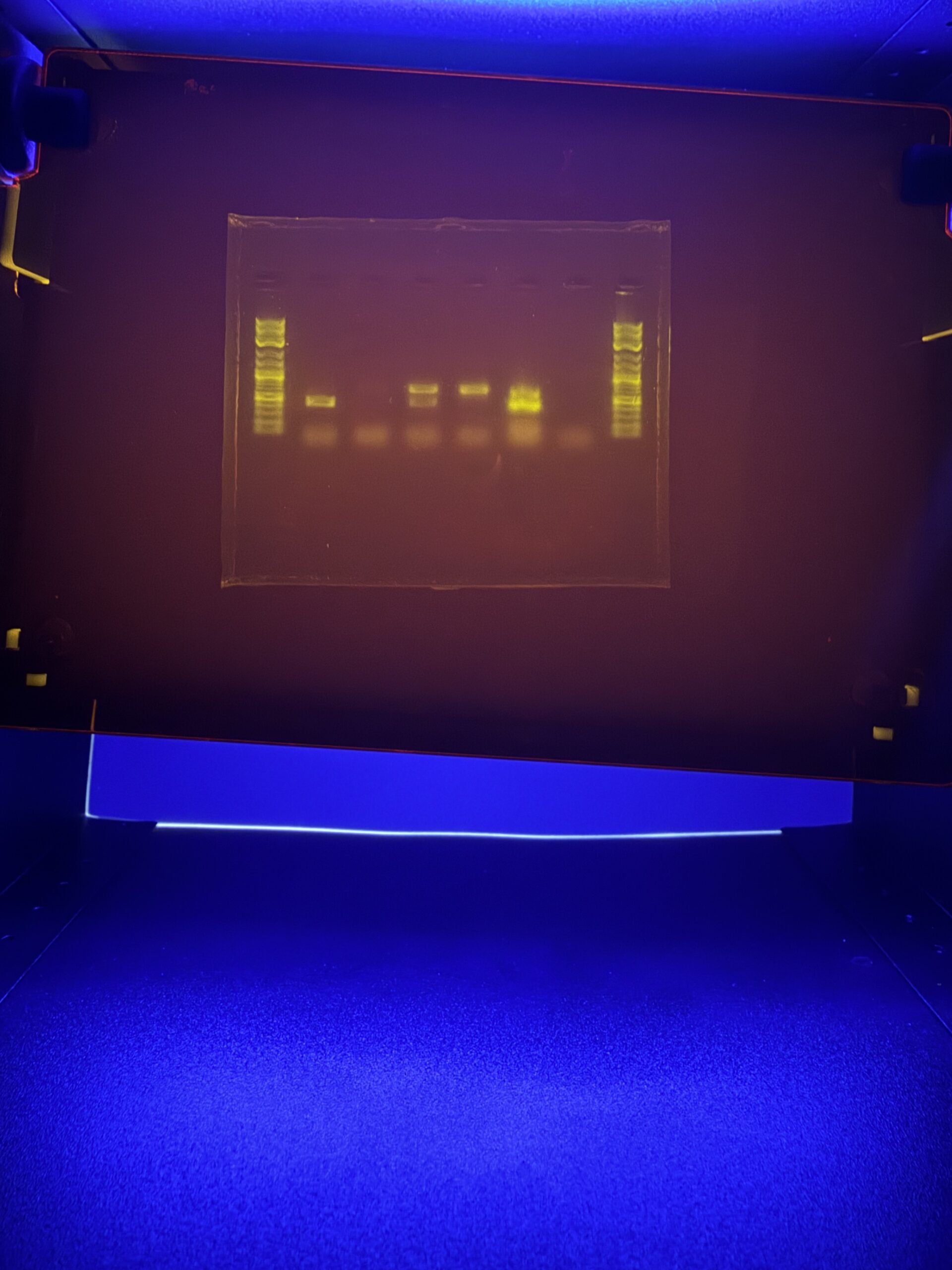
| Protocol notes | PCR was set up using a duplex reaction with both Arthropod CO1 and Wolbachia 16S primers. Annealing temperature was set to 49°C. Taq polymerase used was New England Biolabs OneTaq Hot Start Quick-Load 2X Master Mix with Standard Buffer. |
Results |
|
| Wolbachia presence | No |
| Confidence level | Low |
| Explanation of confidence level | The Anthropoid band were very faint. This indicates a low concentration of template DNA. Since the specimen was collected two weeks post-mortem, DNA degradation likely reduced the efficiency of the PCR amplification, making it difficult to distinguish true bands from background noise. |
| Wolbachia 16S sequence | |
| Arthropod COI sequence |
|
| Summary | The Araneae was found to be negative for Wolbachia. |
 (no title)
 Yellowjacket Wasp
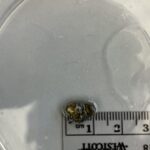 Pillbug
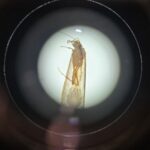 Umpachene Falls Caddisfly
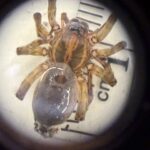 Wolf Spider