Sample information |
|
| Picture |
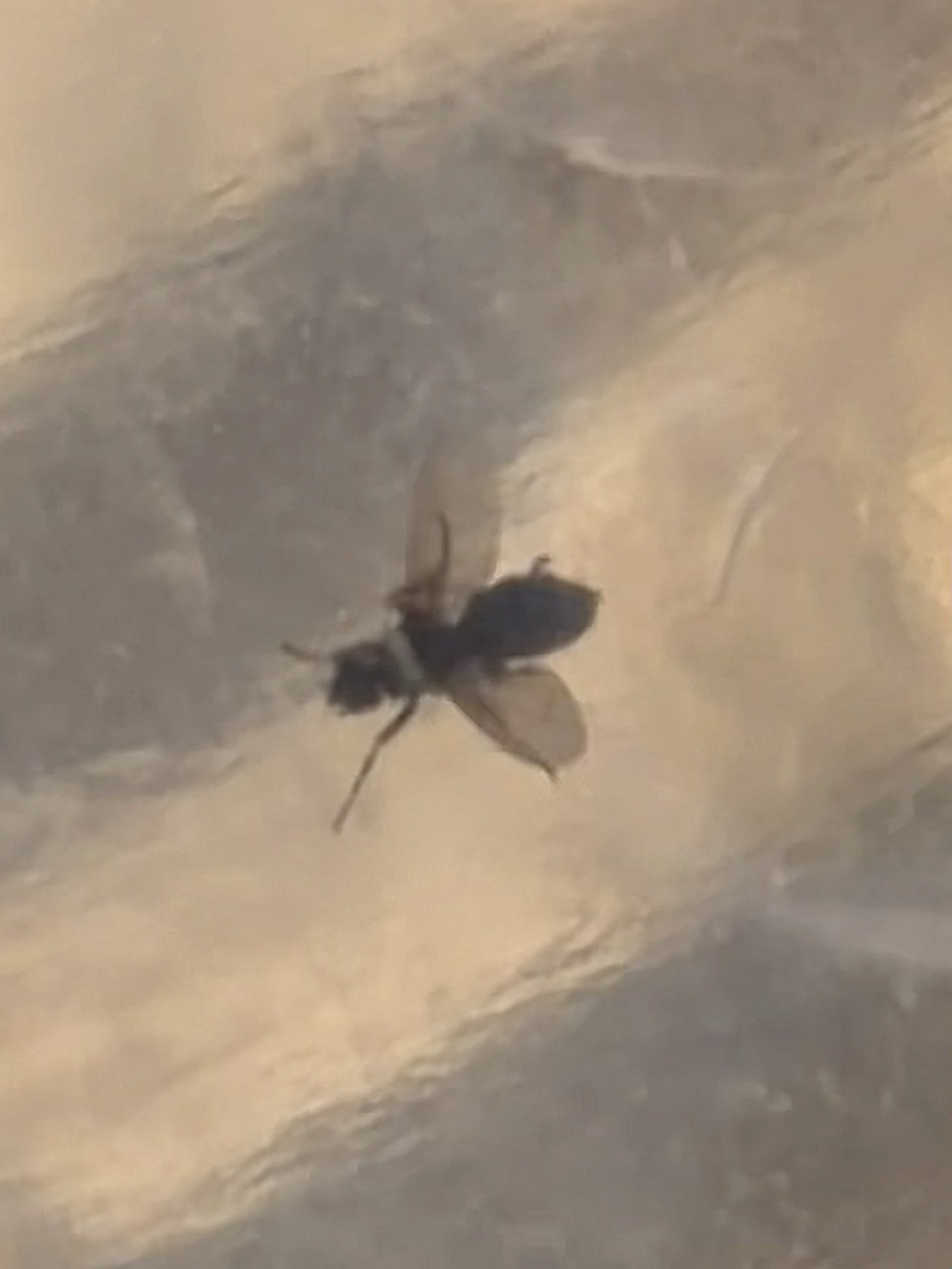
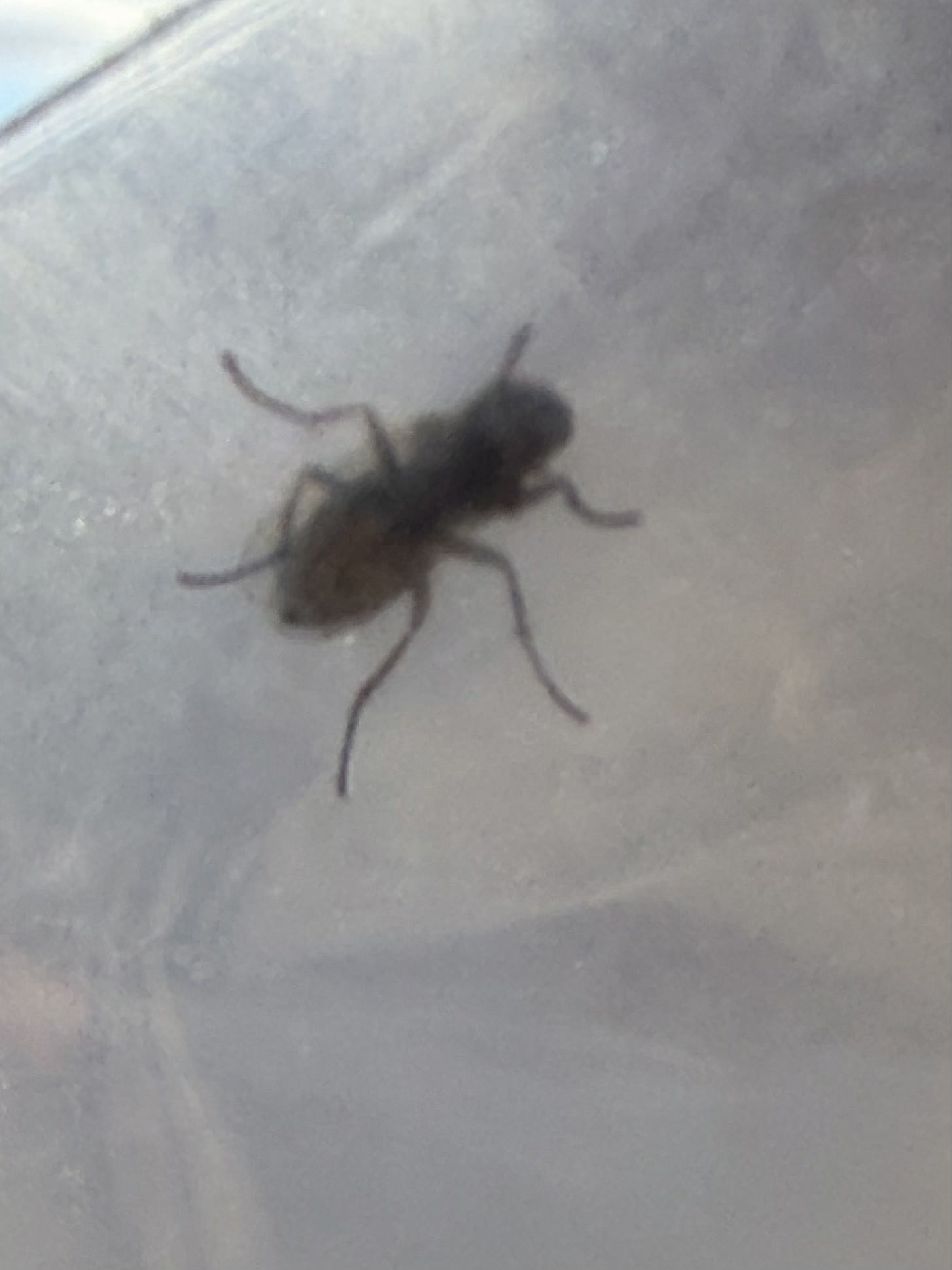
|
|---|---|
| Location | Approximate location: 33.84, -118.39 |
| Collection date | 04/21/2026 |
| Captive / Cultivated? | Wild-caught |
| Group | California Academy of Mathematics and Science |
| Observations | This fly was found in the sand near the shore of Redondo Beach Pier, near bunches of dead seaweed. It was collected in the afternoon, at ~4:30 pm. The weather was partly cloudy and about 68 degrees Fahrenheit. Many flies populated the area. |
| Putative identification | Arthropoda Insecta Diptera Coelopidae Coelopa Coelopa frigida |
Methods |
|
| Extraction kit | DNeasy (Qiagen) |
| DNA extraction location | Partial abdomen |
| Single or Duplex PCR | Duplex Reaction |
| Gel electrophoresis system | Mini-Sub Cell GT Horizontal Electrophoresis System |
| Buffer | 1X TAE |
| DNA stain | UV Stain |
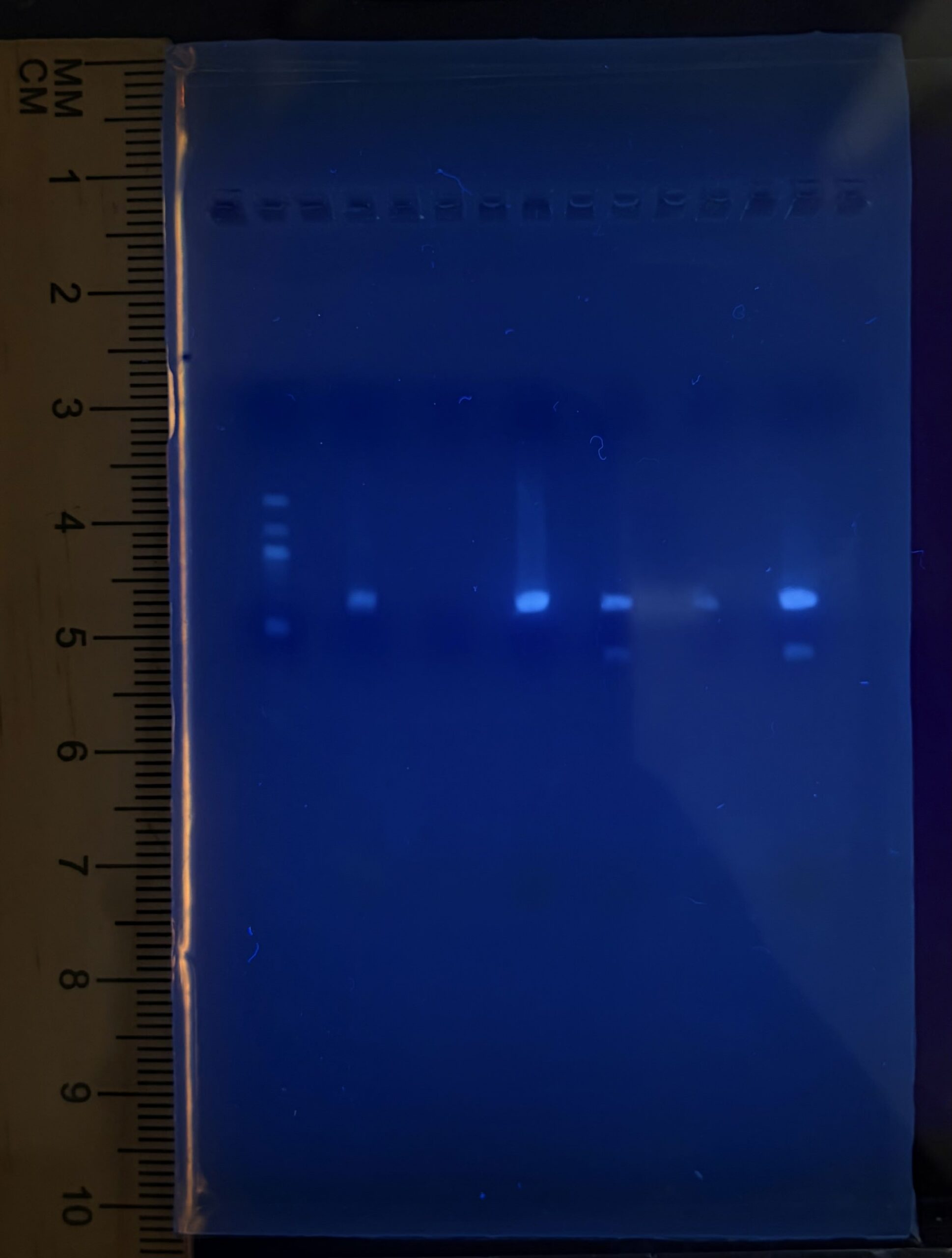
| Gel images |
|
| Protocol notes | Description:
|
Results |
|
| Wolbachia presence | No |
| Confidence level | Medium |
| Explanation of confidence level | Since there’s a 60% chance that a kelp fly could be infected with Wolbachia, given the small sample size (one specimen per species) of the experiment, there is a possibility that the fly tested was actually infected with Wolbachia. However, since the positive control (with Wolbachia and arthropod DNA) showed up on the gel, it was reasonable to conclude that the kelp fly’s gel results were valid, and therefore that the kelp fly was Wolbachia negative. |
| Wolbachia 16S sequence | |
| Arthropod COI sequence | Download FASTA
Download AB1
|
| Summary | The Coelopa frigida was found to be negative for Wolbachia. |
 (no title)
 Yellowjacket Wasp
 Pillbug
 Umpachene Falls Caddisfly
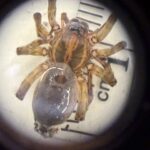 Wolf Spider