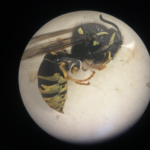
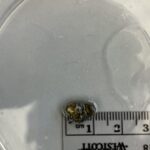
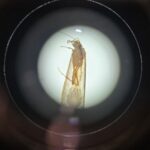
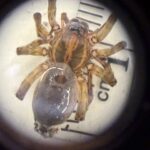
Dance Fly

Sample information

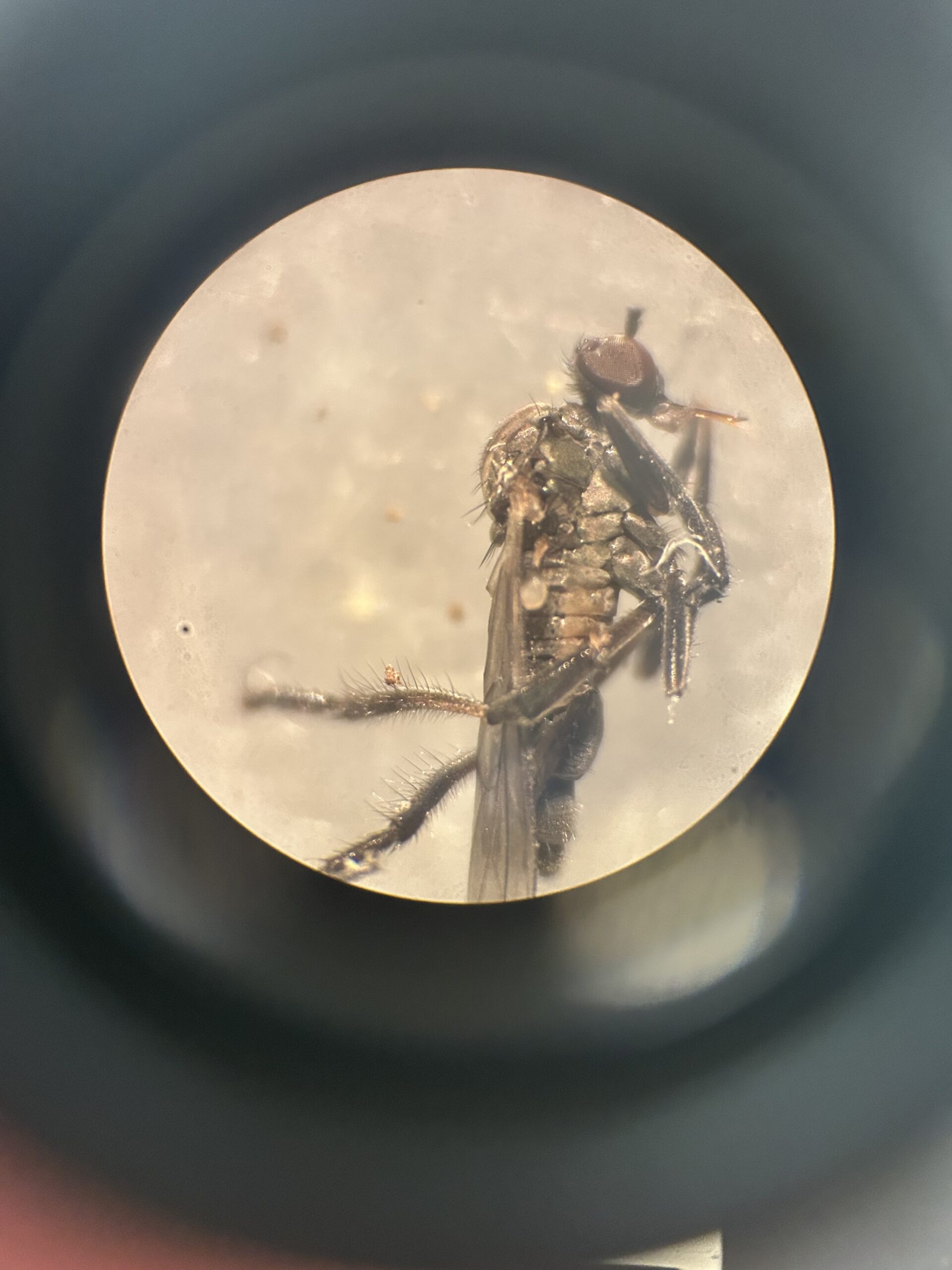
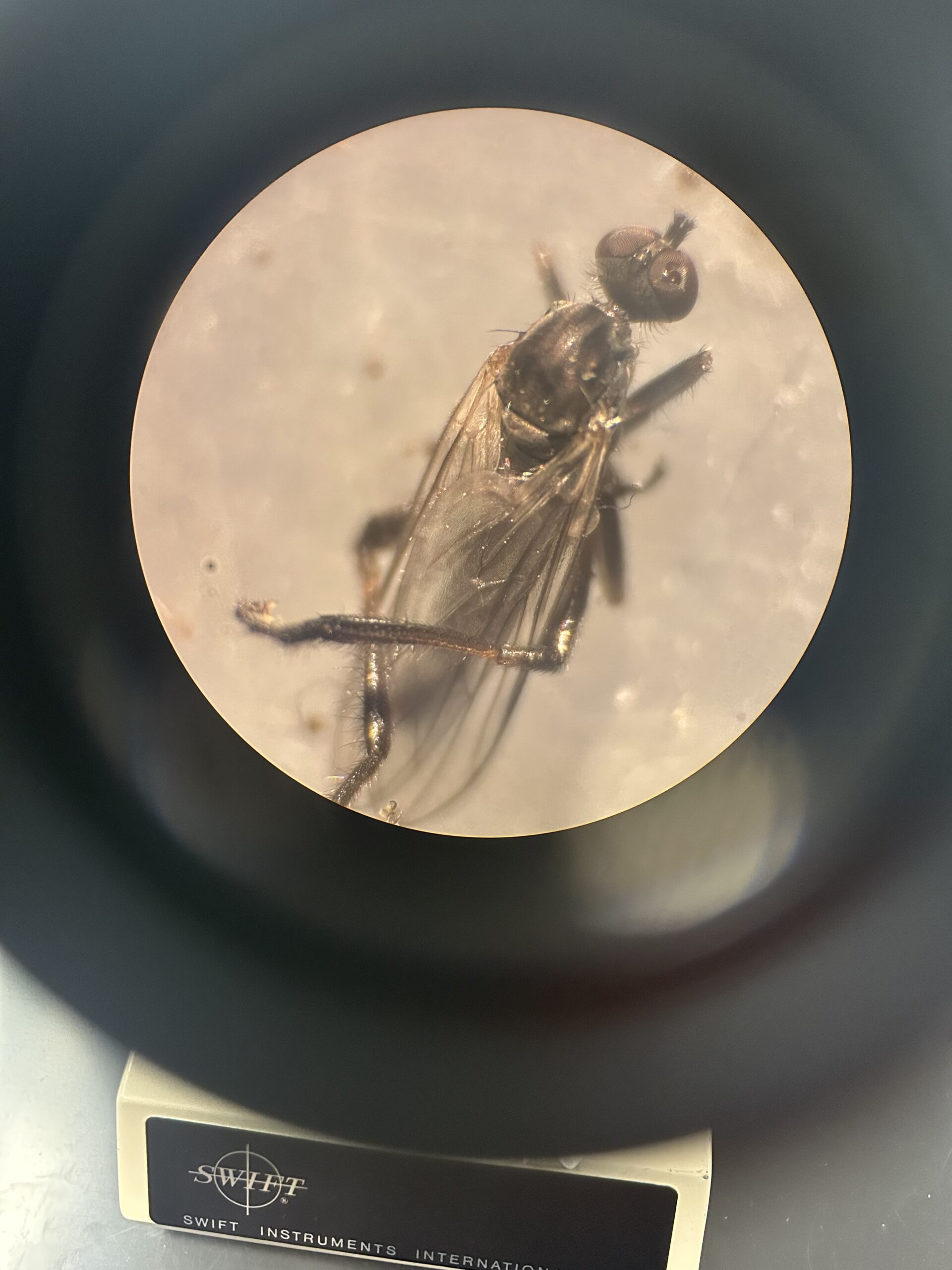
Picture
Entry by: Elliot O.
Location
Collection date 04/15/2026
Captive / Cultivated? Wild-caught
Group Thomas Jefferson High School for Science and Technology
Observations
  • Large fly-like eyes
  • Proportionally long legs
  • Hair on legs
  • Large hump on upper back
  • Small segments in the abdomen and mid section
  • Brown color
Putative identification Arthropoda Insecta Diptera Empididae

Methods

Extraction kit DNeasy (Qiagen) blood and tissue kit
DNA extraction location Abdomen
Single or Duplex PCR Single Reaction
Gel electrophoresis system MiniPCR
Buffer TBE
DNA stain SYBR Safe
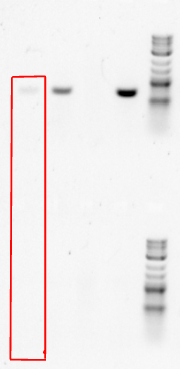
Gel images
Protocol notes

From the Blood and Tissue Extraction protocol:

Perform all centrifugation steps at room temperature (15–25°C).

Redissolve any precipitates in Buffer AL and Buffer ATL.
Add ethanol to Buffer AW1 and Buffer AW2 concentrates.
Equilibrate frozen tissue or cell pellets to room temperature.
Preheat an incubator to 56°C.
Refer to the handbook for pretreatment of fixed tissue, insect, bacterial or other material.

1a. Tissue: Cut tissue (≤10 mg spleen or ≤25 mg other tissue) into small pieces, and
place in a 1.5 ml microcentrifuge tube. For rodent tails, use 1 (rat) or 2 (mouse)
0.4–0.6 cm lengths of tail. Add 180 μl Buffer ATL. Add 20 μl proteinase K, mix by
vortexing and incubate at 56°C until completely lysed. Vortex occasionally during
incubation. Vortex 15 s directly before proceeding to step 2.
1b. Nonnucleated blood: Pipet 20 μl proteinase K into a 1.5 ml or 2 ml microcentrifuge
tube. Add 50–100 μl anticoagulant-treated blood. Adjust volume to 220 μl with
PBS. Proceed to step 2.

1c. Nucleated blood: Pipet 20 μl proteinase K into a 1.5 ml or 2 ml microcentrifuge
tube. Add 5–10 μl anticoagulant-treated blood. Adjust volume to 220 μl with PBS.
Proceed to step 2.
1d. Cultured cells: Centrifuge a maximum of 5 x 10⁶ cells for 5 min at 300 x g (190 rpm).
Resuspend in 200 μl PBS. Add 20 μl proteinase K. Proceed to step 2.
2. Add 200 μl Buffer AL. Mix thoroughly by vortexing. Incubate blood samples at 56°C for
10 min.
3. Add 200 μl ethanol (96–100%). Mix thoroughly by vortexing.
4. Pipet the mixture into a DNeasy Mini spin column placed in a 2 ml collection tube. Centrifuge
at ≥6000 x g (8000 rpm) for 1 min. Discard the flow-through and collection tube.
5. Place the spin column in a new 2 ml collection tube. Add 500 μl Buffer AW1. Centrifuge
for 1 min at ≥6000 x g. Discard the flow-through and collection tube.
6. Place the spin column in a new 2 ml collection tube, add 500 μl Buffer AW2 and centrifuge
for 3 min at 20,000 x g (14,000 rpm). Discard the flow-through and collection tube.
7. Transfer the spin column to a new 1.5 ml or 2 ml microcentrifuge tube.
8. Elute the DNA by adding 200 μl Buffer AE to the center of the spin column membrane.
Incubate for 1 min at room temperature (15–25°C). Centrifuge for 1 min at ≥6000 x g.

Results

Wolbachia presence No
Confidence level Medium
Explanation of confidence level

My confidence in this result is medium, as the positive and negative controls did work. However, the top Gel band was very faint, possibly indicating not enough of the DNA sample was entered into the gel. When grinding the specimen, the exoskeleton was not ground well, possibly causing no DNA to be transmitted.

Wolbachia 16S sequence
Arthropod COI sequence
Summary The Empididae was found to be negative for Wolbachia.
Report Inappropriate Post