Sample information |
|
| Picture |
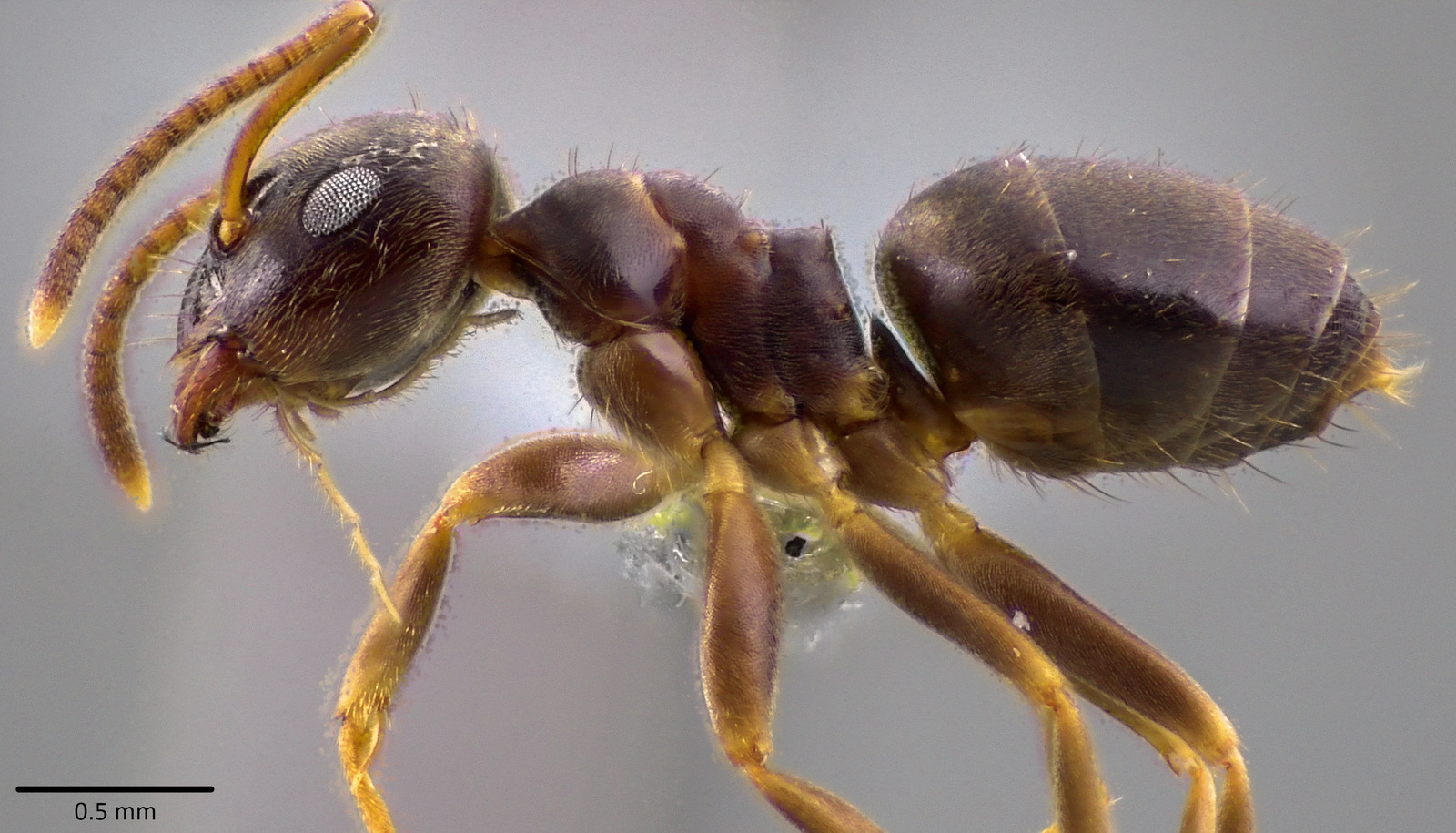
|
|---|---|
| Location | Approximate location: 38.82, -77.18 |
| Collection date | 04/17/2026 |
| Captive / Cultivated? | Wild-caught |
| Group | Thomas Jefferson High School for Science and Technology |
| Observations |
I found this woodland fuzzy ant underneath a dead wood log that I flipped. Next to this ant were dozens of ant larvae, indicating the existence of a nest nearby. It was during the spring at ten in the morning, and it had just finished raining, thus everything was wet. I located the log next to a river bank and it was roughly 68 degrees F. There were many porthole ants but I took an interest to this one as it seemed like it had wings. |
| Putative identification | Arthropoda Insecta Hymenoptera Formicidae Lasius Lasius americanus |
Methods |
|
| Extraction kit | DNeasy (Qiagen) blood and tissue kit |
| DNA extraction location | Whole arthropod |
| Single or Duplex PCR | Single Reaction |
| Gel electrophoresis system | MiniPCR |
| Buffer | TBE |
| DNA stain | SYBR Safe |
| Gel images |
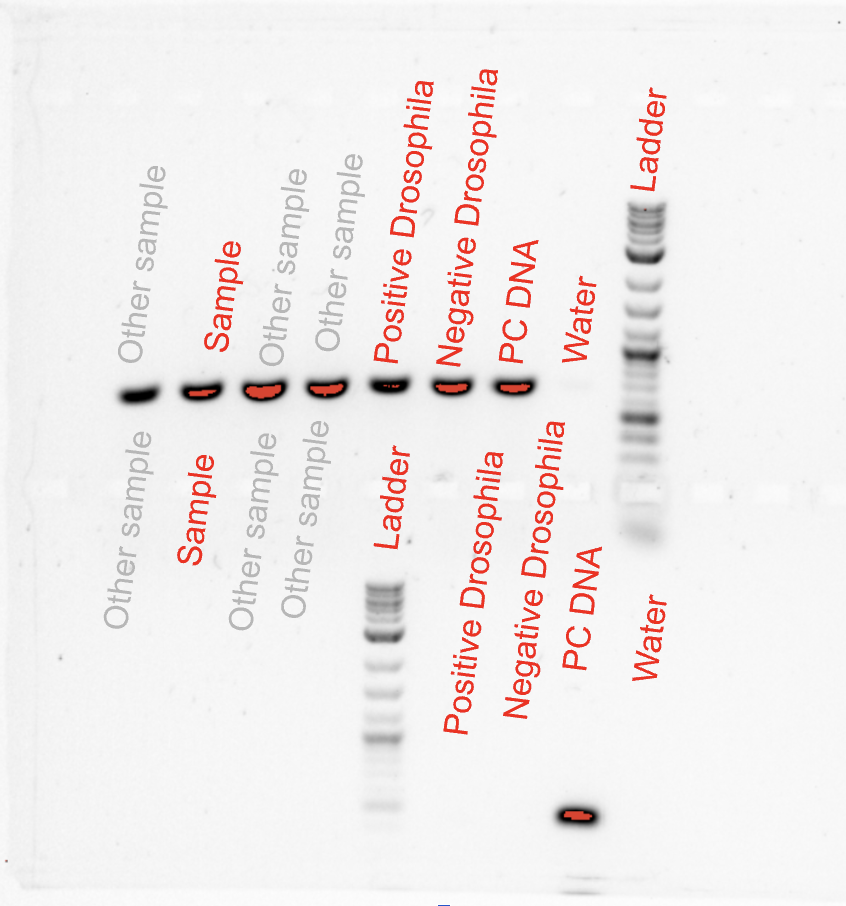
|
| Protocol notes | Gel Image Identification: 571, 572 (lasius americanus), 573, 574, Positive Wolbachia Drosophila, Negative Drosophila, PC DNA, Water, Ladder The bottom row shared the same samples, but for Wolbachia primers. L to R: 571, 572 (lasius americanus), 573, 574, Ladder, Positive Wolbachia Drosophila, Negative Drosophila Drosophila, PC DNA, Water Primers to specifically amplify a 438-bp (base pair) fragment of the 16S ribosomal RNA gene (ubiquitous in all Wolbachia) are: Primers to specifically amplify a 708-bp fragment of the CO1 cytochrome oxidase gene (ubiquitous in arthropod mitochondria) are: |
Results |
|
| Wolbachia presence | No |
| Confidence level | Low |
| Explanation of confidence level | For my group’s Wolbachia gel, our positive drosophila control (which was supposed to show up) did not appear, which made us suspect a false negative error for all the other samples as well. |
| Wolbachia 16S sequence | |
| Arthropod COI sequence | Download FASTA
Download AB1
NNNNNNNNNTTTGCTATTTGAGCTGGTATAATTGGCTCATCTATAAGAATAATTATCCGA CTAGAATTAGGTTCATCTAATTCATTAATTAATAATGATCAAATTTATAACTCTATAGTT ACAAGGCACGCATTTGTTATAATTTTCTTCATAGTTATACCTTTCATAATTGGTGGATTT GGTAATTTTCTTGTACCTTTAATATTAGGTTCACCTGATATGGCTTACCCCCGTATAAAT AATATAAGATTTTGACTTTTACCTCCCTCTATTTCTCTACTCCTTTTAAGAAATTTCATT AATGATGGAGTCGGAACAGGATGAACCGTTTATCCTCCTTTAGCCTCAAATATCTTCCAT AATGGCCCTTCAGTTGATTTAACTATTTTCTCTCTTCACATCGCTGGAATATCTTCTATT TTAGGAGCTATTAATTTTATTTCAACTATTATAAACATACACCATAAAAATTTTTCTATT GATAAAATTCCACTACTTGTATGATCAATCTTAATTACTGCAATTTTACTACTTCTATCC CTTCCTGTTCTTGCAGGAGCTATTACTATACTTTTAACTGACCGTAACCTTAATACTTCA TTTTTTGACCCATCAGGAGGTGGCGATCCTATTTTATATCAACATCTTTTCTGATTTTTT GNNNN
BLAST at The Wolbachia Project BLAST at NCBI
|
| Summary | The Lasius americanus was found to be negative for Wolbachia. |
 (no title)
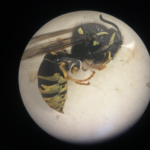 Yellowjacket Wasp
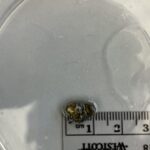 Pillbug
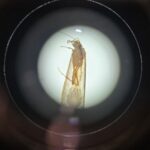 Umpachene Falls Caddisfly
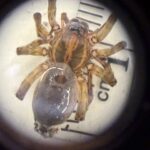 Wolf Spider