Sample information |
|
| Picture |
|
|---|---|
| Location | No map location data available. |
| Collection date | 04/22/2026 |
| Captive / Cultivated? | Wild-caught |
| Group | Thomas Jefferson High School for Science and Technology |
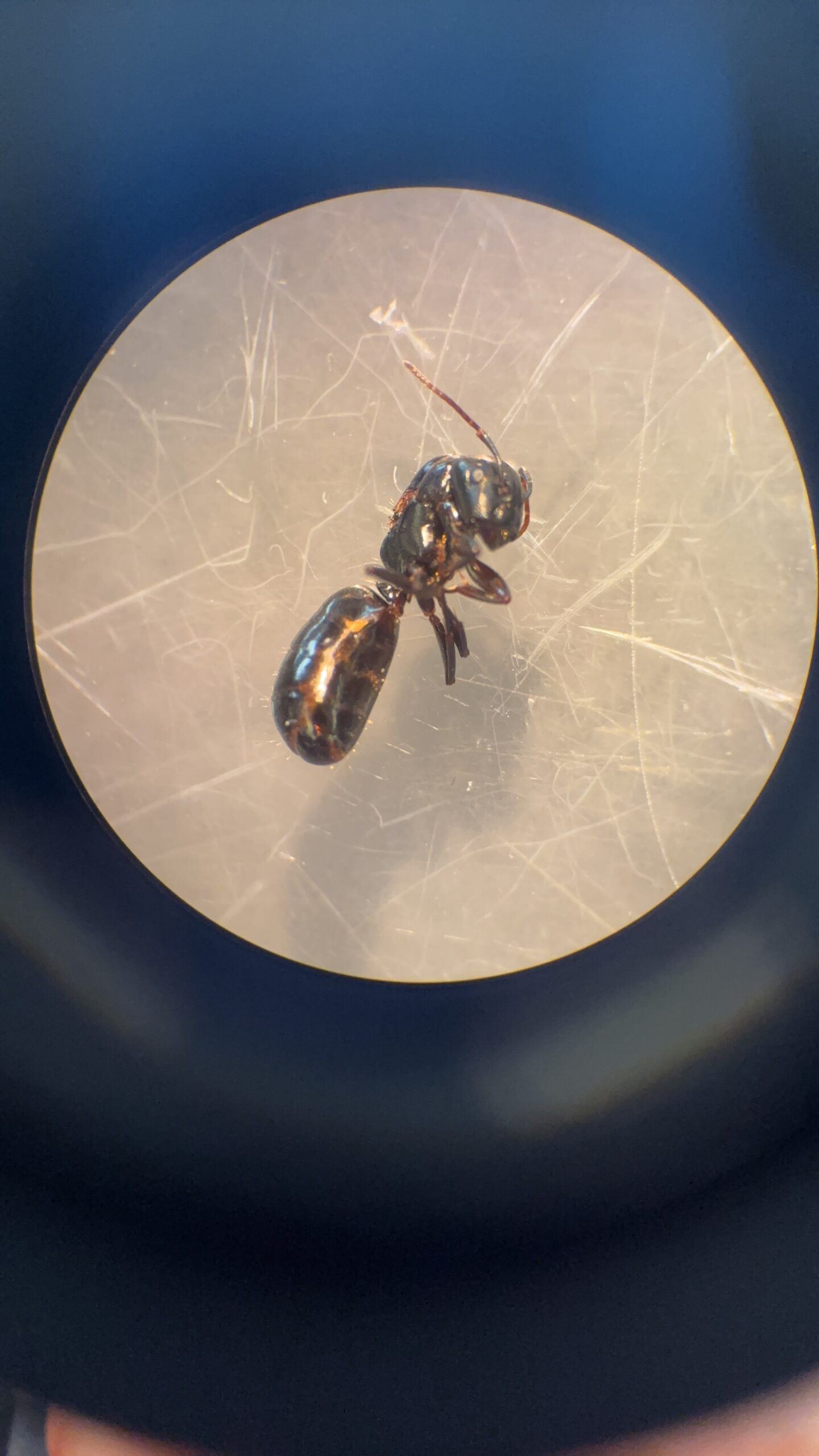
| Observations | The ant was found climbing on a tree, between the bark of the tree. The tree was medium size with layered brittle bark with a lot of gaps in between. It was collected during the morning sometime around 9 – 10 am. The weather was very sunny at the time and was a bit humid. I saw other ants as well climbing on other trees but the ants were fast and hard to catch. They would run and hide under the layered bark. |
| Putative identification | Arthropoda Insecta Hymenoptera Formicidae Lasius Lasius americanus |
Methods |
|
| Extraction kit | DNeasy (Qiagen) blood and tissue kit |
| DNA extraction location | Abdomen/cut:partial |
| Single or Duplex PCR | Single Reaction |
| Gel electrophoresis system | MiniPCR |
| Buffer | TBE |
| DNA stain | SYBR Safe |
| Gel images |
|
| Protocol notes |
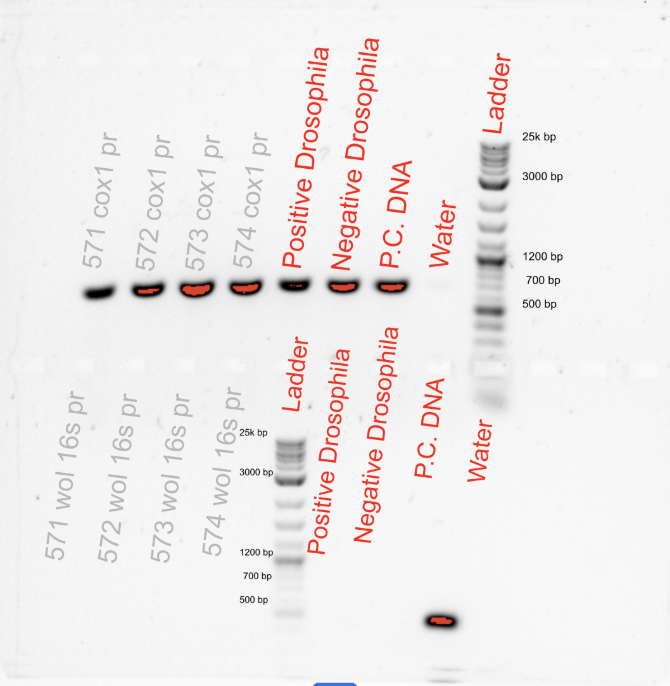
DNA extraction had a 260/280 ration of 1.914 which is just above the sweet spot for good DNA purity which is 1.7-1.9 (preferably right in between at 1.8), meaning DNA is relatively pure. Nucleic acid density was originally 240.843 ng/uL; we had to dilute down to 50 ng/uL before sending it off to sequence. |
Results |
|
| Wolbachia presence | No |
| Confidence level | Low |
| Explanation of confidence level | In order to test if the sample was Wolbachia positive, a 30 cycle PCR was conducted using SYBR Safe and primers for Wolbachia. The PCR did not indicate a presence/glow for Wolbachia DNA for any of the samples tested. This however also meant that the arthropod sample that was supposed to be positive for Wolbachia that was used as a positive control was also showing no presense/glow for Wolbachia DNA, indicating that something likely went wrong with the process for testing for the Wolbachia specific DNA in the arthropod samples. My group believes that all the PCR steps conducted were generally correct and that that this anomaly was due to us forgetting to add primers into that tube specifically or something else specific to that tube. Do to this lack of confidence, we are unable to guarantee using evidence that Wolbachia was not present in all of our samples. |
| Wolbachia 16S sequence | |
| Arthropod COI sequence | Download FASTA
Download AB1
GCTATTTGAGCTGGTATAATTGGCTCATCTATAAGAATAATTATCCG ACTAGAATTAGGTTCATCTAATTCATTAATTAATAATGATCAAATTTATAACTCTATAGT TACAAGGCACGCATTTGTTATAATTTTCTTCATAGTTATACCTTTCATAATTGGTGGATT TGGTAATTTTCTTGTACCTTTAATATTAGGTTCACCTGATATGGCTTACCCCCGTATAAA TAATATAAGATTTTGACTTTTACCTCCCTCTATTTCTCTACTCCTTTTAAGAAATTTCAT TAATGATGGAGTCGGAACAGGATGAACCGTTTATCCTCCTTTAGCCTCAAATATCTTCCA TAATGGCCCTTCAGTTGATTTAACTATTTTCTCTCTTCACATCGCTGGAATATCTTCTAT TTTAGGAGCTATTAATTTTATTTCAACTATTATAAACATACACCATAAAAATTTTTCTAT TGATAAAATTCCACTACTTGTATGATCAATCTTAATTACTGCAATTTTACTACTTCTATC CCTTCCTGTTCTTGCAGGAGCTATTACTATACTTTTAACTGACCGTAACCTTAATACTTC ATTTTTTGACCCATCAGGAGGTGGCGATCCTATTTTATATCAACATCTTTTCTGATTTTT TGGNCAC
BLAST at The Wolbachia Project BLAST at NCBI
|
| Summary | The Lasius americanus was found to be negative for Wolbachia. |
 (no title)
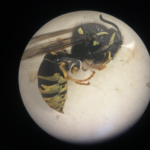 Yellowjacket Wasp
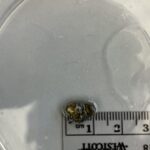 Pillbug
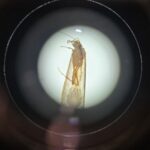 Umpachene Falls Caddisfly
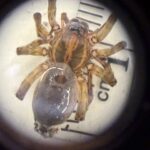 Wolf Spider