Sample information |
|
| Picture |
|
|---|---|
| Location | Approximate location: 31.97, -81.16 |
| Collection date | 08/31/2026 |
| Captive / Cultivated? | Wild-caught |
| Group | Georgia Southern University |
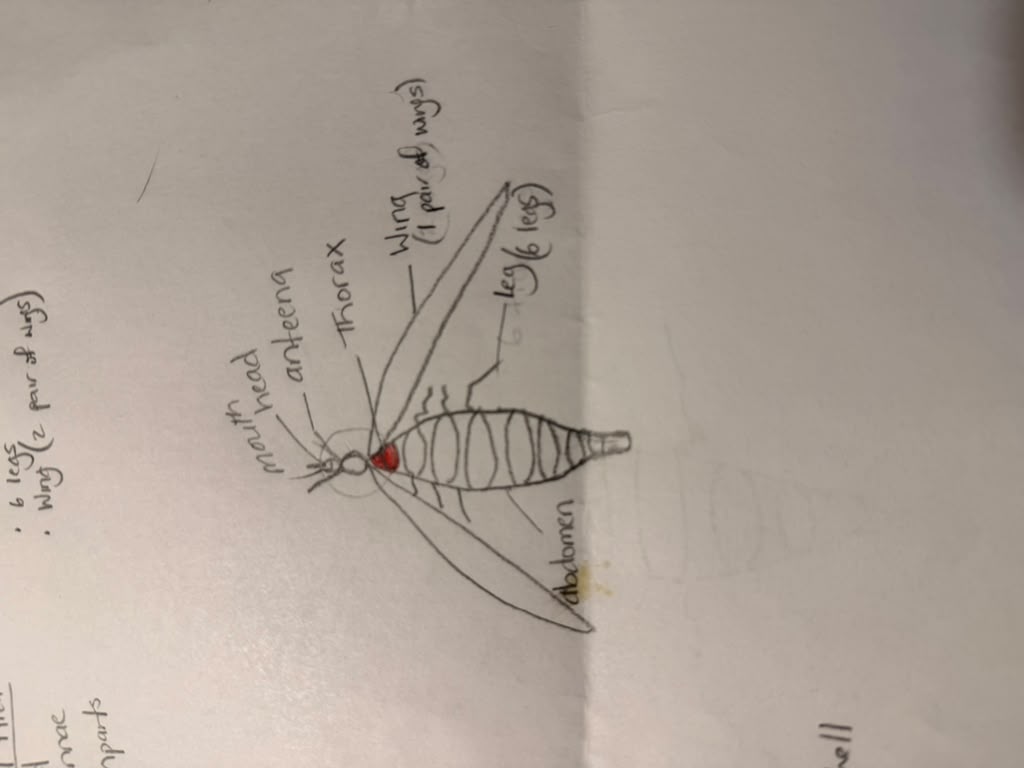
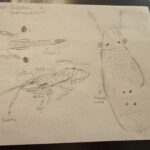
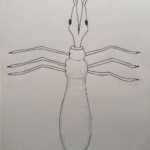
| Observations | The specimen was identified as a lovebug in the order Diptera. It had a small black head with antennae, a dark thorax with one pair of wings and six legs, and a long segmented black abdomen. The insect was collected using a sweep net.
|
| Putative identification | Arthropoda Insecta Diptera |
Methods |
|
| Extraction kit | tweezers |
| DNA extraction location | Abdomen |
| Single or Duplex PCR | Single Reaction |
| Gel electrophoresis system | Standard electrophoresis system |
| Buffer | TAE |
| DNA stain | Other |
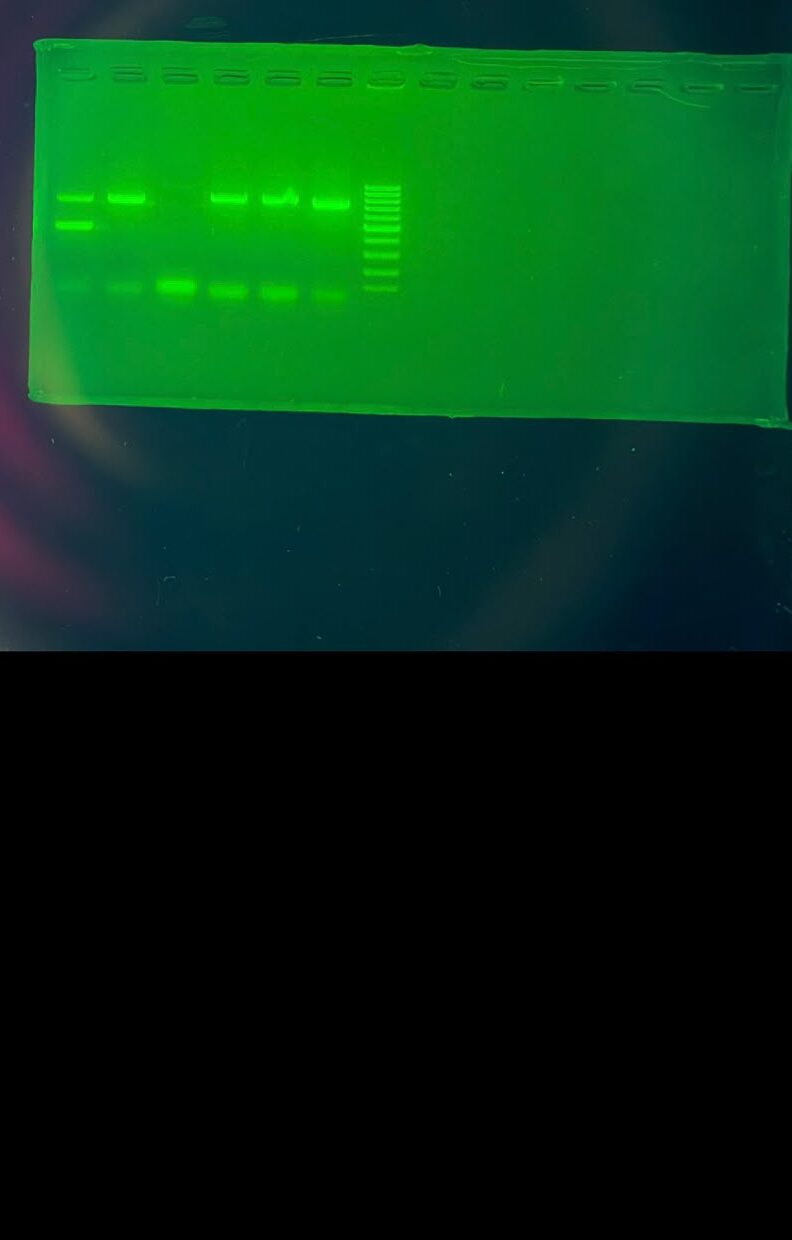
| Gel images |
|
| Protocol notes | DNA was extracted from the abdomen of the specimen using reagents provided in the lab.
|
Results |
|
| Wolbachia presence | No |
| Confidence level | High |
| Explanation of confidence level | I am confident in my results because the controls worked as expected and the gel results were clear. DNA was successfully extracted from the lovebug specimen, but no Wolbachia band was detected. Based on these results, I found no evidence of Wolbachia infection in my specimen.
|
| Wolbachia 16S sequence | |
| Arthropod COI sequence |
|
| Summary | The Diptera was found to be negative for Wolbachia. |
 DEM-IMM
 DECMAVHemiptera
 DEC-JAM Order Hemiptera
 DECANA Hemiptera
 (no title)