Sample information |
|
| Picture |
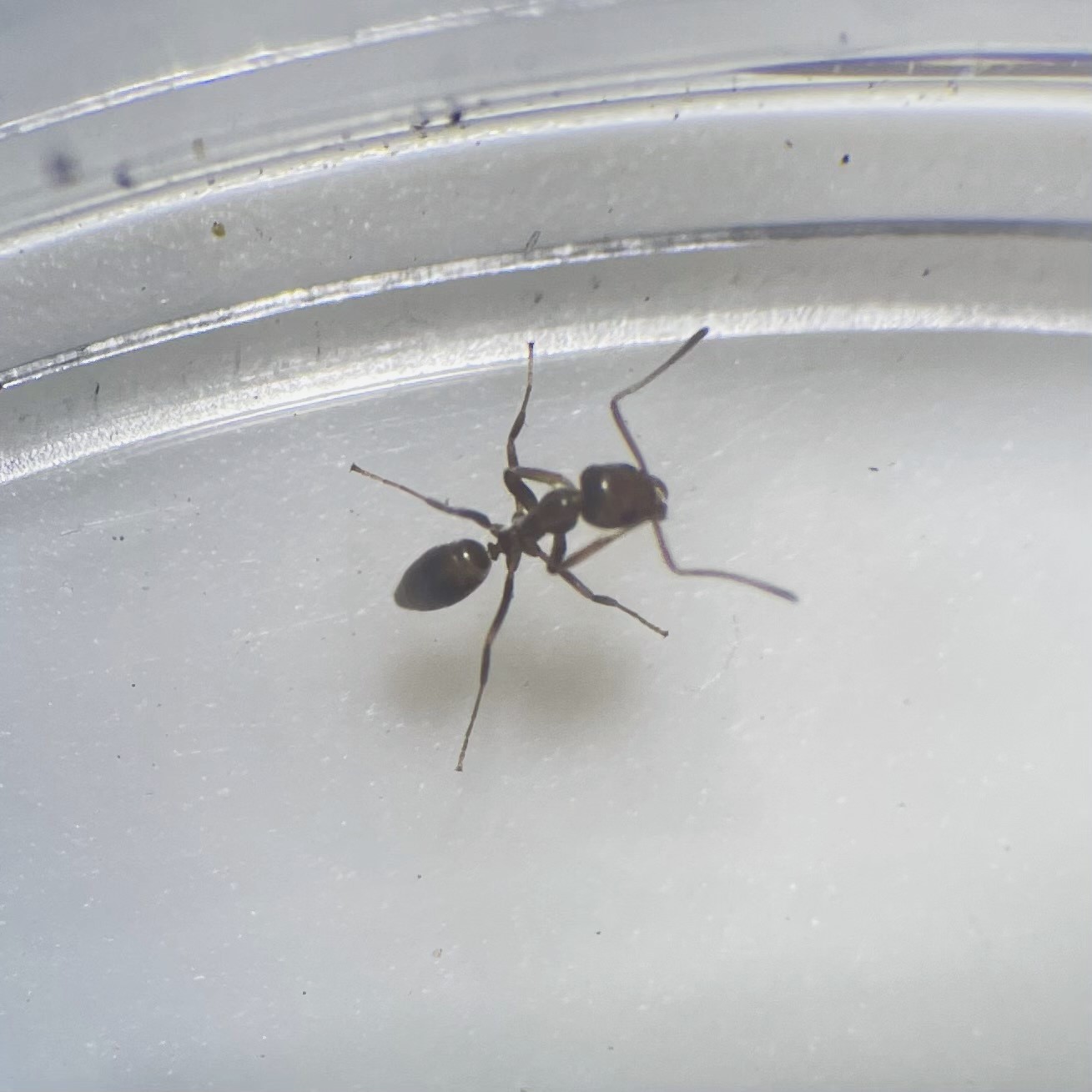
|
|---|---|
| Location | Approximate location: 33.86, -118.25 |
| Collection date | 05/14/2024 |
| Captive / Cultivated? | Wild-caught |
| Group | California Academy of Mathematics and Science |
| Observations | Found near the soil of the garden, dark brown/black color, around a few other ants |
| Putative identification | Arthropoda Insecta |
Methods |
|
| Extraction kit | DNeasy (Qiagen) |
| DNA extraction location | Whole arthropod |
| Single or Duplex PCR | Single Reaction |
| Gel electrophoresis system | Standard electrophoresis system |
| Buffer | TAE |
| DNA stain | Fast Blast |
| Gel images |
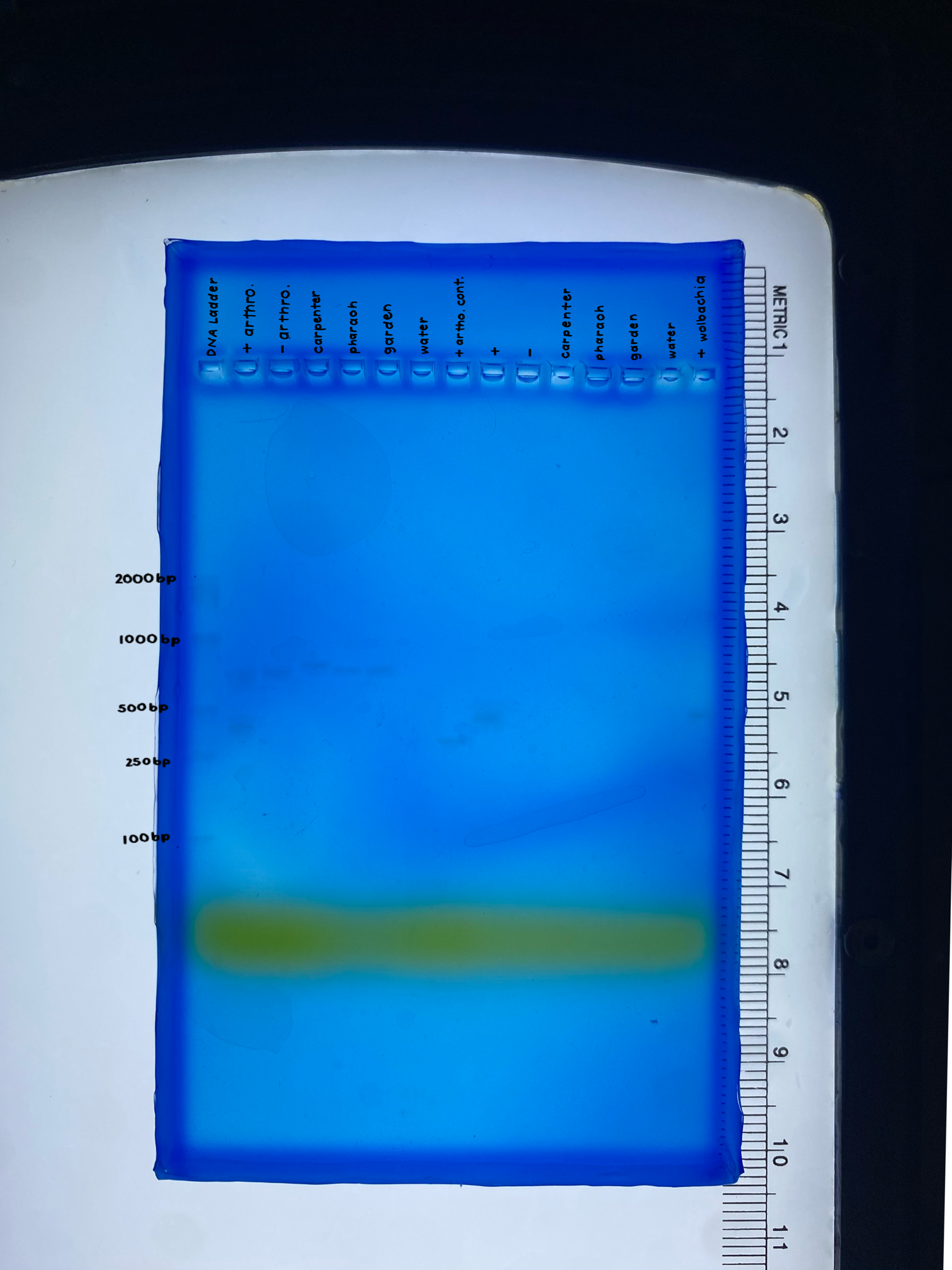
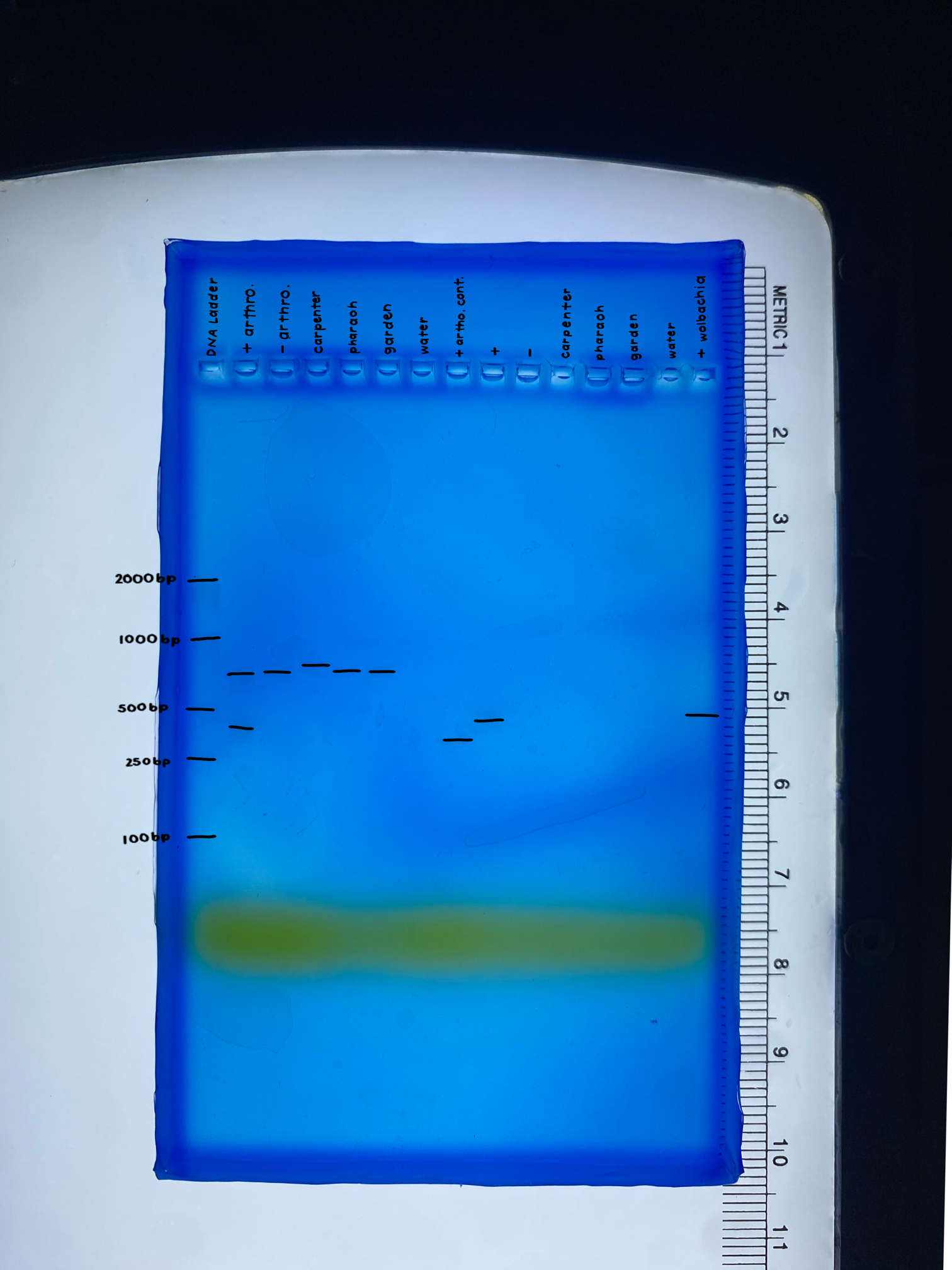
|
| Protocol notes | Ran the gel for 60 minutes at 105 volts. |
Results |
|
| Wolbachia presence | No |
| Confidence level | High |
| Explanation of confidence level | Our confidence level was determined by the success in our DNA Ladder and controls. The Arthropod CO1 and Wolbachia-specific 16S rRNA genes were present in both the (+) Arthropod control and (+) DNA control in our Arthropod PCR samples. Additionally, the (-) Arthropod control contained only the CO1 band and no Wolbachia band in our Arthropod PCR side, and there were no bands or smudges in our (-) water controls. This indicates that the extraction and PCR processes of extracting the genes were successful. |
| Wolbachia 16S sequence | |
| Arthropod COI sequence |
|
| Summary | The Insecta was found to be negative for Wolbachia. |
 Millipede
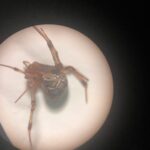 Brown Widow
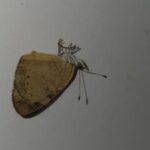 (no title)
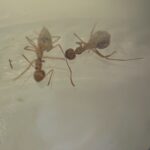 Texas Carpenter Ant
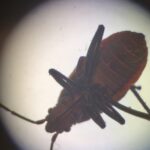 Boxelder Bug (Hemiptera)