Sample information |
|
| Picture |
|
|---|---|
| Location | Approximate location: 37.80, -122.42 |
| Collection date | 09/03/2024 |
| Captive / Cultivated? | Captive / Cultivated |
| Group | Galileo Academy of Science and Technology |
| Observations |
|
| Putative identification | Arthropoda Arachnida |
Methods |
|
| Extraction kit | BABEC |
| DNA extraction location | Abdomen |
| Single or Duplex PCR | Duplex Reaction |
| Gel electrophoresis system | MiniOne |
| Buffer | TAE |
| DNA stain | GelGreen |
| Gel images |
|
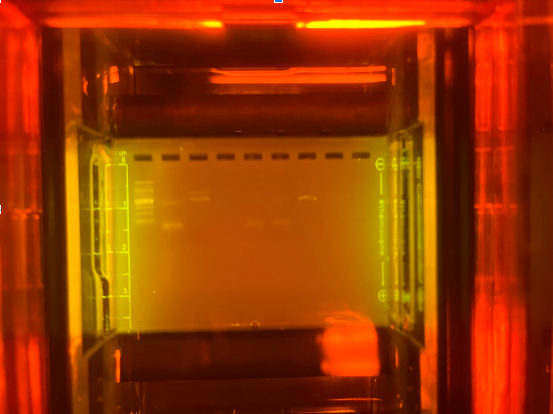
| Protocol notes | Taq polymerase was used. Annealing temperature for each PCR reaction was 55 degrees celsius. 5th well starting from the left to right |
Results |
|
| Wolbachia presence | Yes |
| Confidence level | Medium |
| Explanation of confidence level | The insect DNA wasn’t very clear but the Wolbachia DNA was. |
| Wolbachia 16S sequence | |
| Arthropod COI sequence |
|
| Summary | The Arachnida was found to be postive for Wolbachia. |
 (no title)
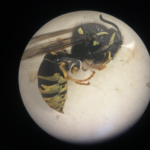 Yellowjacket Wasp
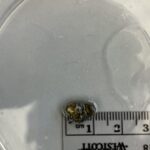 Pillbug
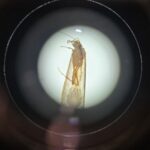 Umpachene Falls Caddisfly
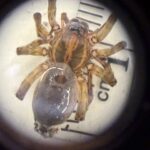 Wolf Spider