Sample information |
|
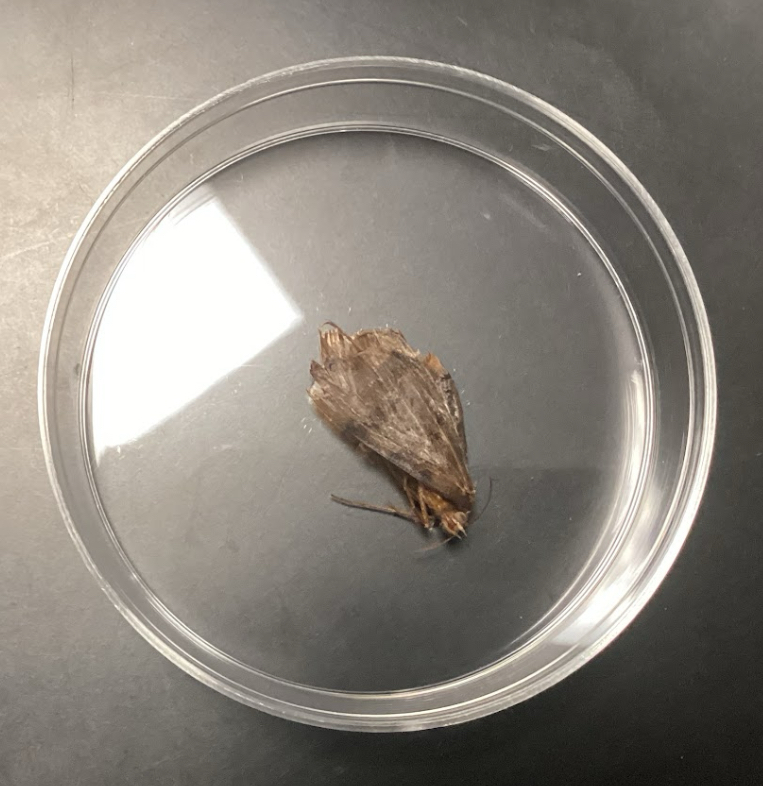
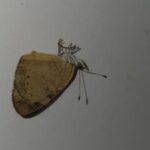
| Picture |
|
|---|---|
| Location | Approximate location: 42.12, -76.27 |
| Collection date | 09/10/2024 |
| Captive / Cultivated? | Wild-caught |
| Group | Owego Free Academy |
| Observations | Moths and grasshoppers alike are large arthropods with thick exoskeletons that should contain large amounts of DNA |
| Putative identification | Arthropoda |
Methods |
|
| Extraction kit | DNeasy (Qiagen) |
| DNA extraction location | Abdomen |
| Single or Duplex PCR | Single Reaction |
| Gel electrophoresis system | MiniOne |
| Buffer | TBE |
| DNA stain | GelGreen |
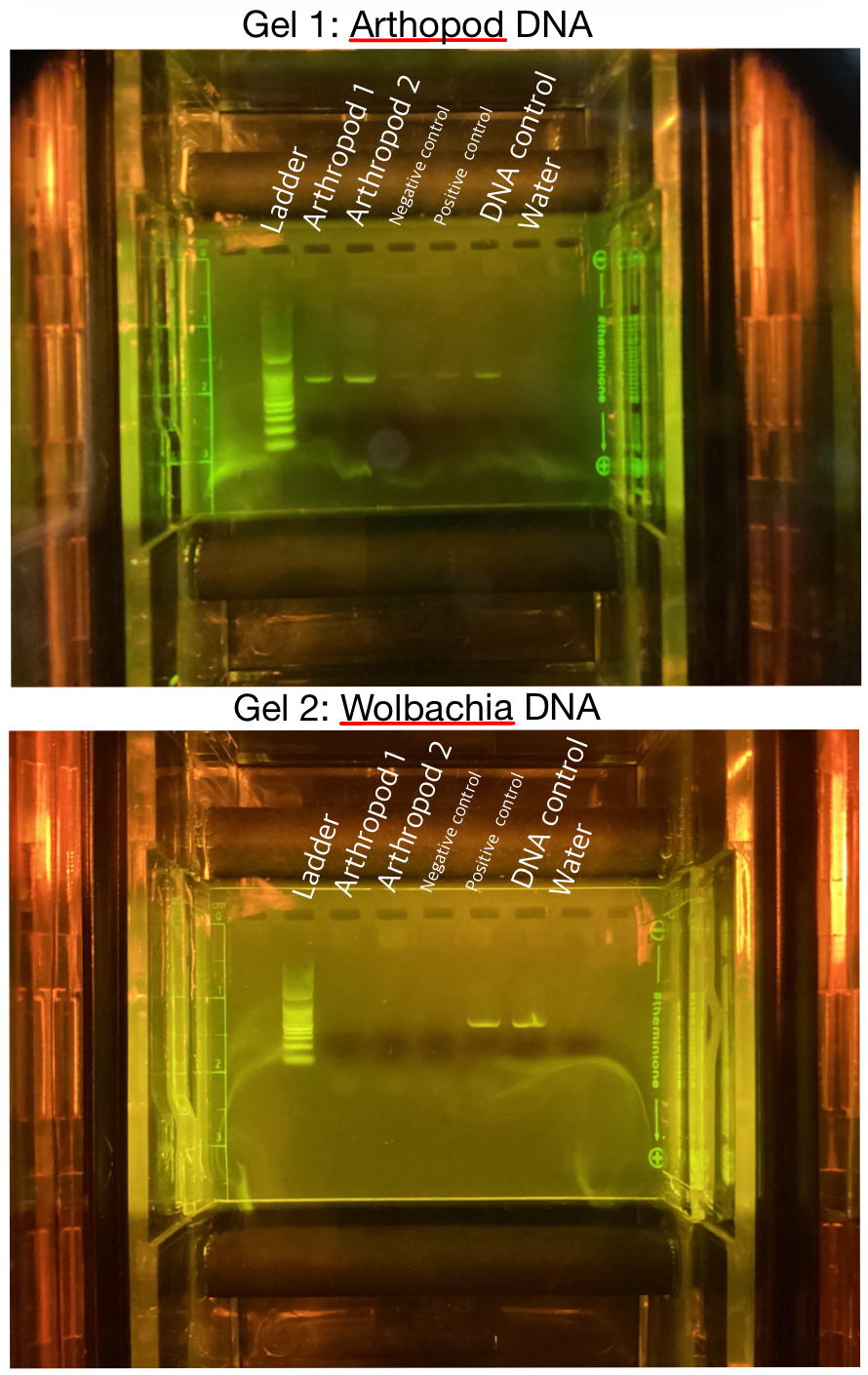
| Gel images |
|
| Protocol notes | In gel 2, lanes 4 and 5 had a small hole about half way down the gel, but this did not effect the results in any way |
Results |
|
| Wolbachia presence | No |
| Confidence level | High |
| Explanation of confidence level | We are confident that we did the lab correctly because the control lines are all present. Also, whilst doing the procedures we were very careful and followed the steps very closely. |
| Wolbachia 16S sequence |
detected in positive arthropod control and DNA controL
BLAST at The Wolbachia Project BLAST at NCBI
|
| Arthropod COI sequence |
detected in all samples except water
BLAST at The Wolbachia Project BLAST at NCBI
|
| Summary | The Arthropoda was found to be negative for Wolbachia. |
 Millipede
 Brown Widow
 (no title)
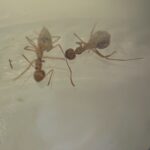 Texas Carpenter Ant
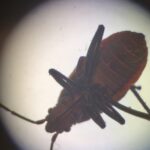 Boxelder Bug (Hemiptera)