Sample information |
|
| Picture |
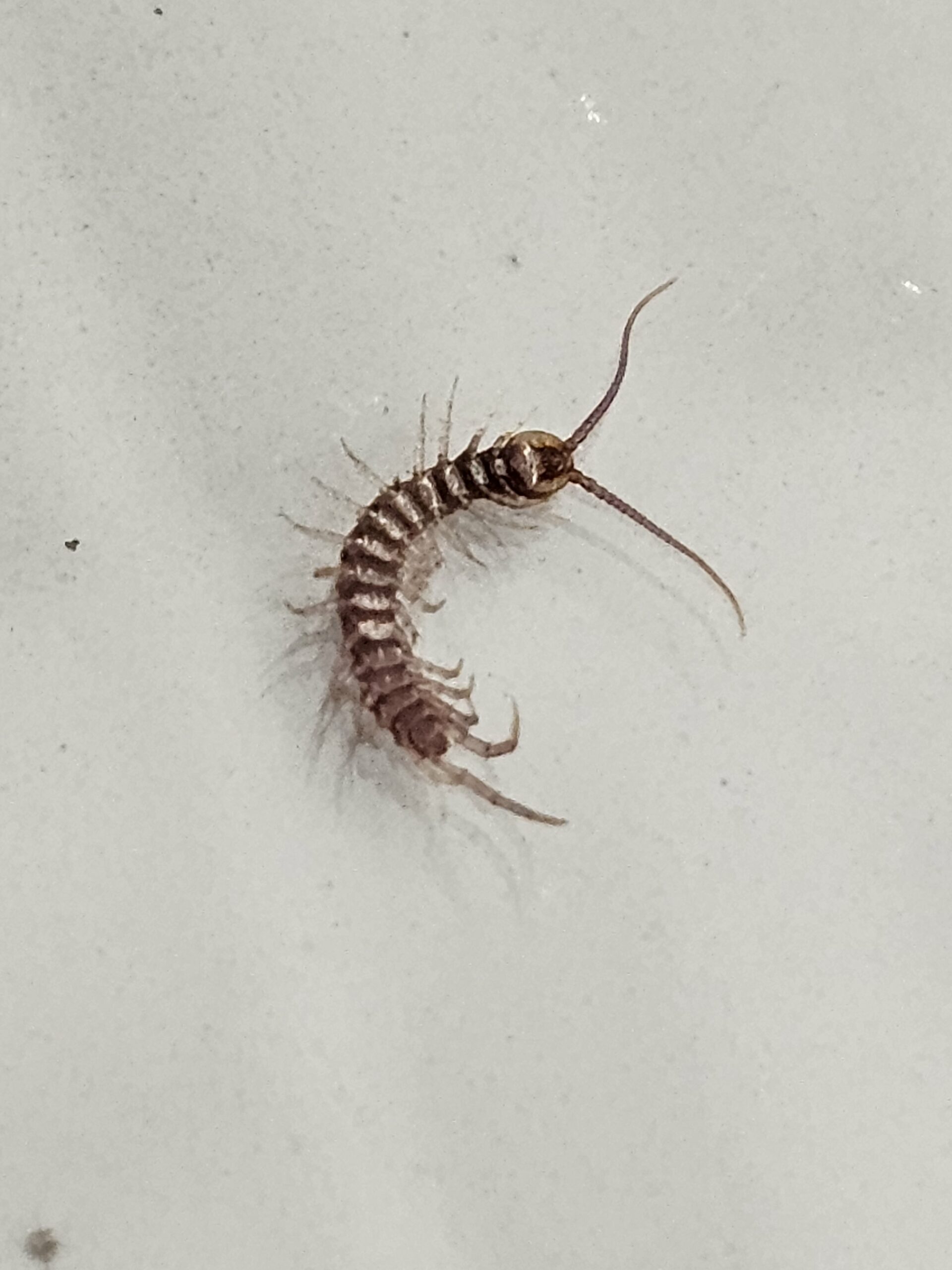
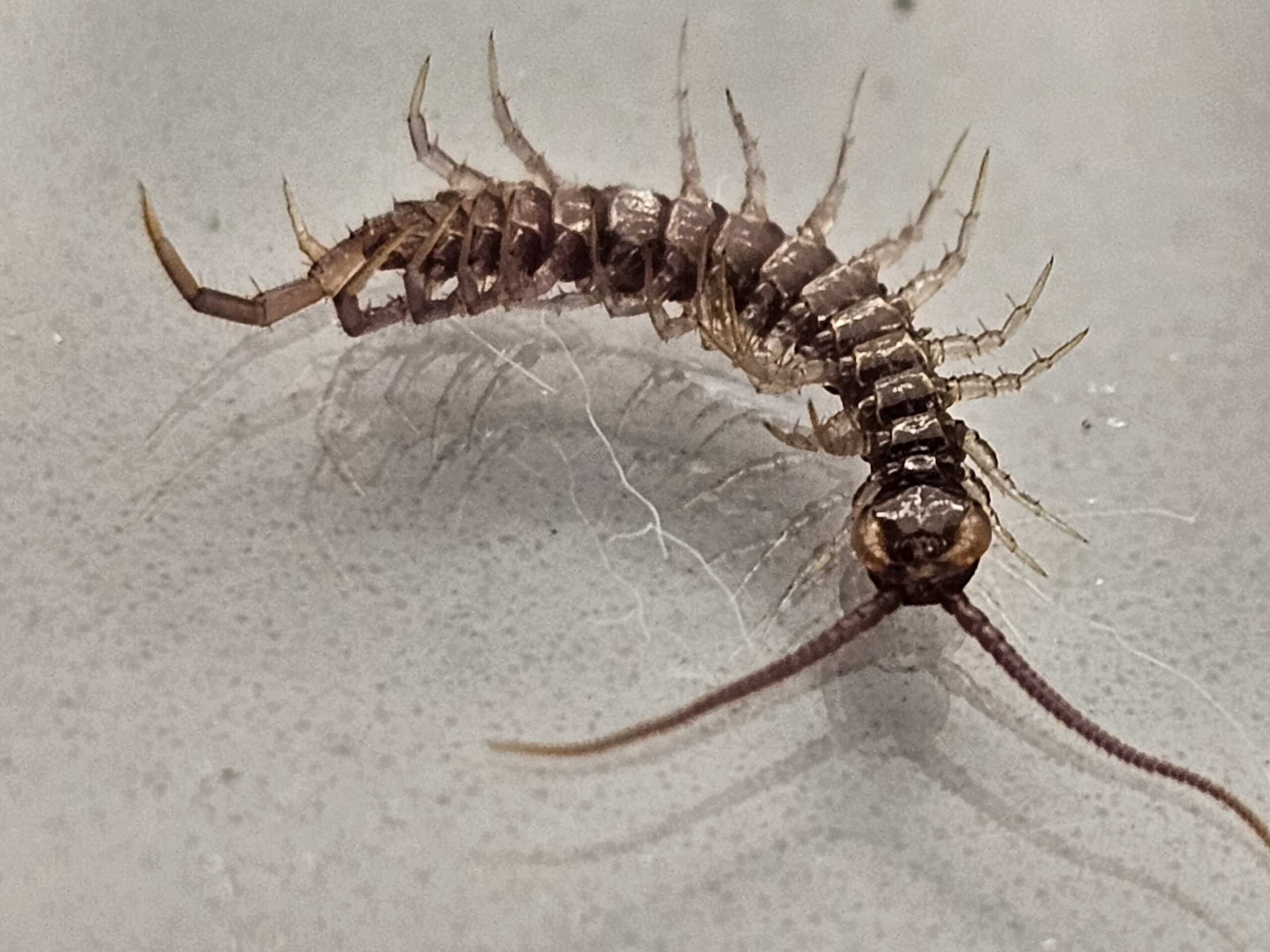
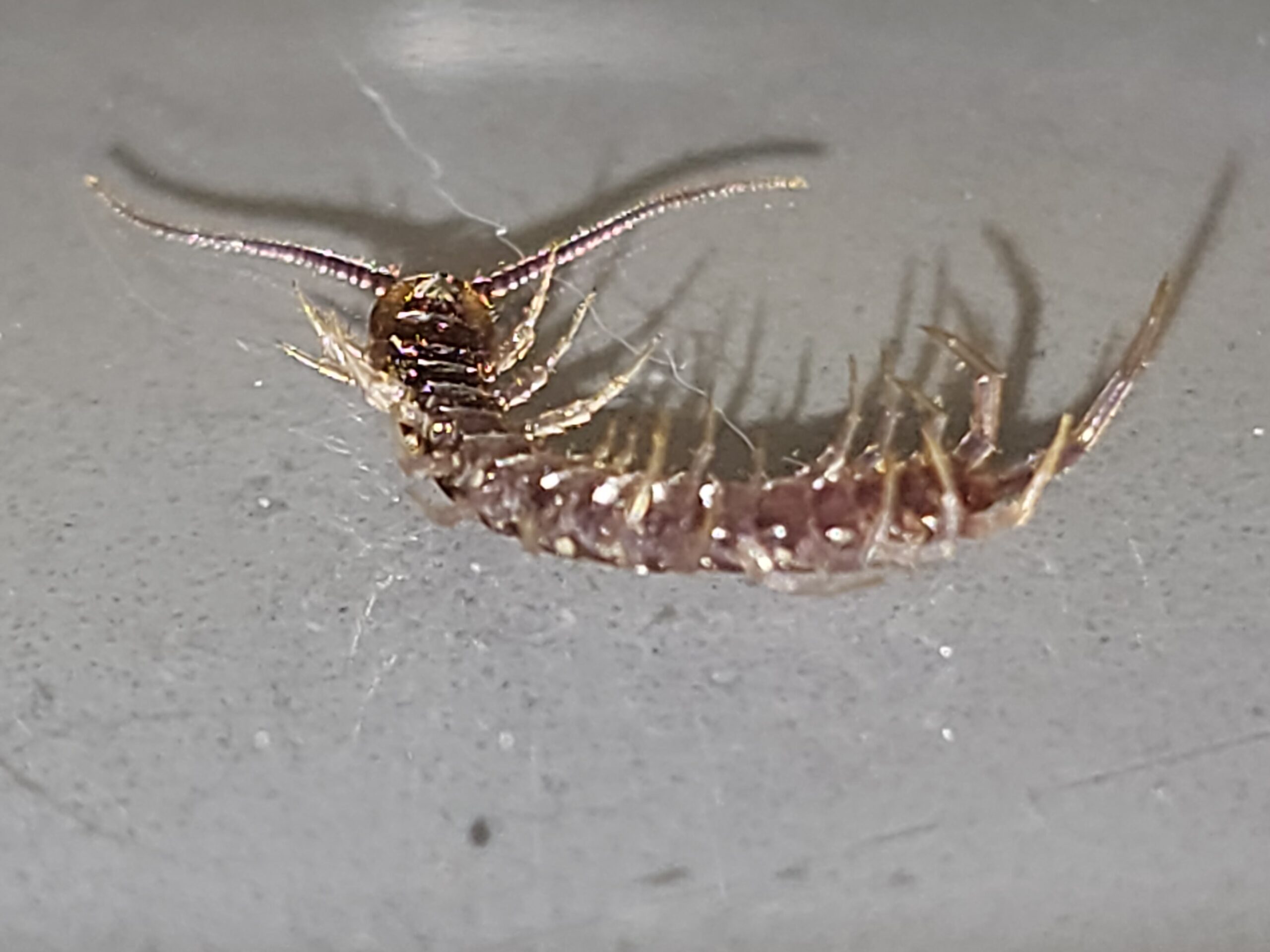

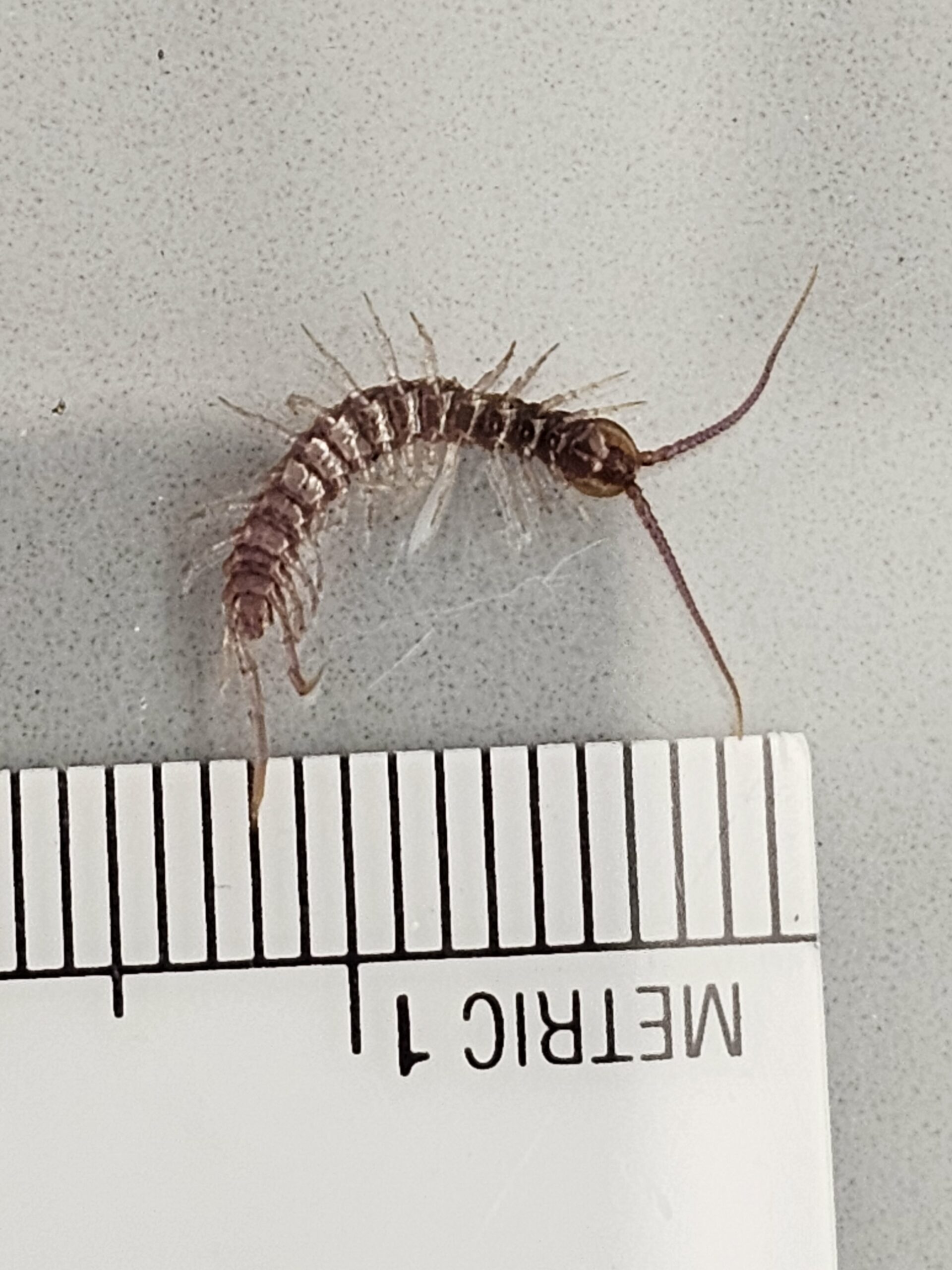
|
|---|---|
| Location | Approximate location: 42.47, -73.25 |
| Collection date | 09/29/2025 |
| Captive / Cultivated? | Wild-caught |
| Group | Berkshire Community College |
| Observations |
|
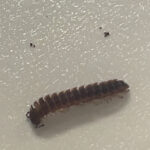
| Putative identification | Arthropoda Chilopoda Lithobiomorpha Lithobiidae Lithobius Lithobius forficatus |
Methods |
|
| Extraction kit | Monarch DNA extraction (NEB) |
| DNA extraction location | Abdomen |
| Single or Duplex PCR | Duplex Reaction |
| Gel electrophoresis system | Edvotek Gel Electrophoresis |
| Buffer | TAE |
| DNA stain | SYBR Safe |
| Gel images |
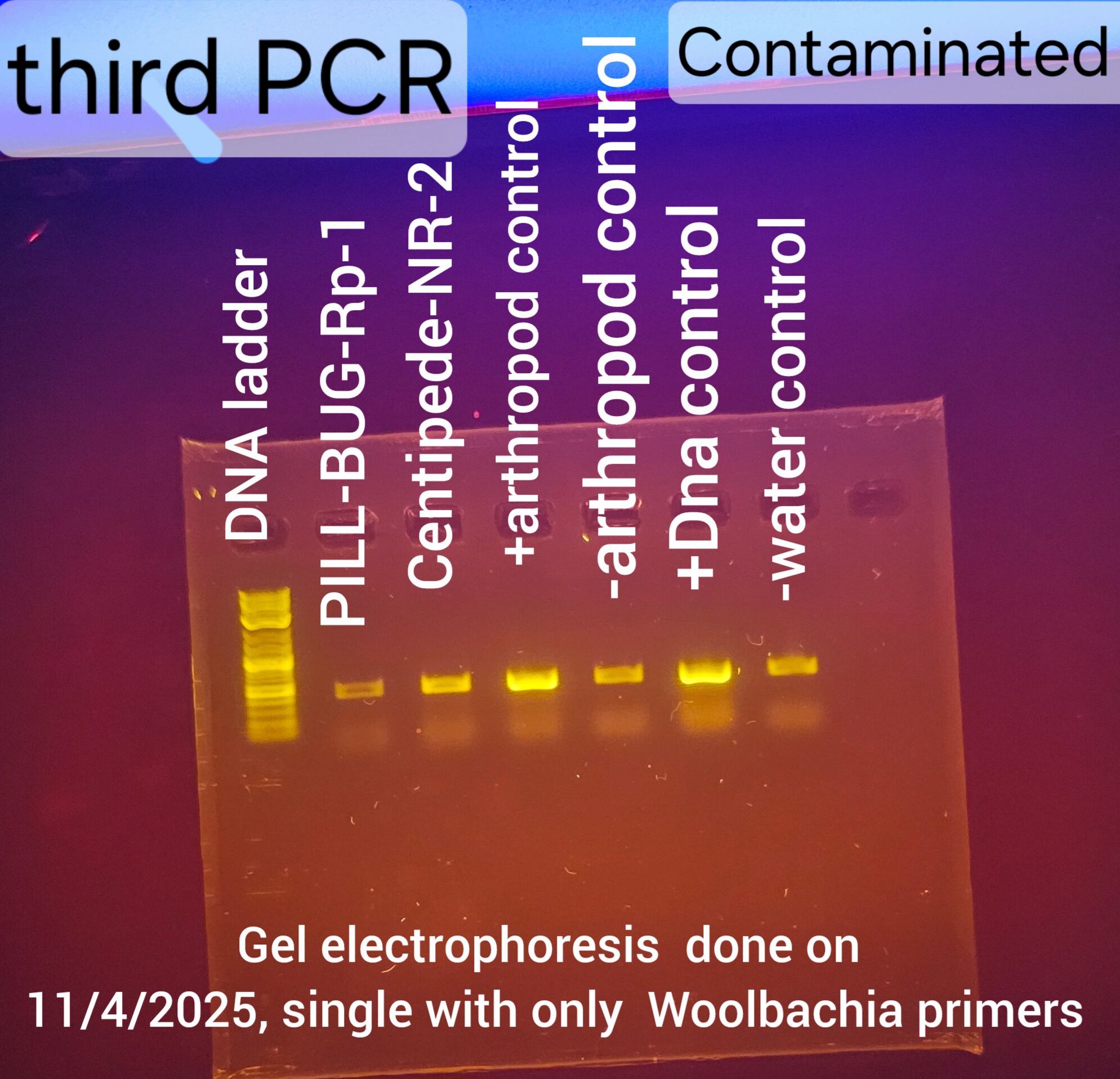
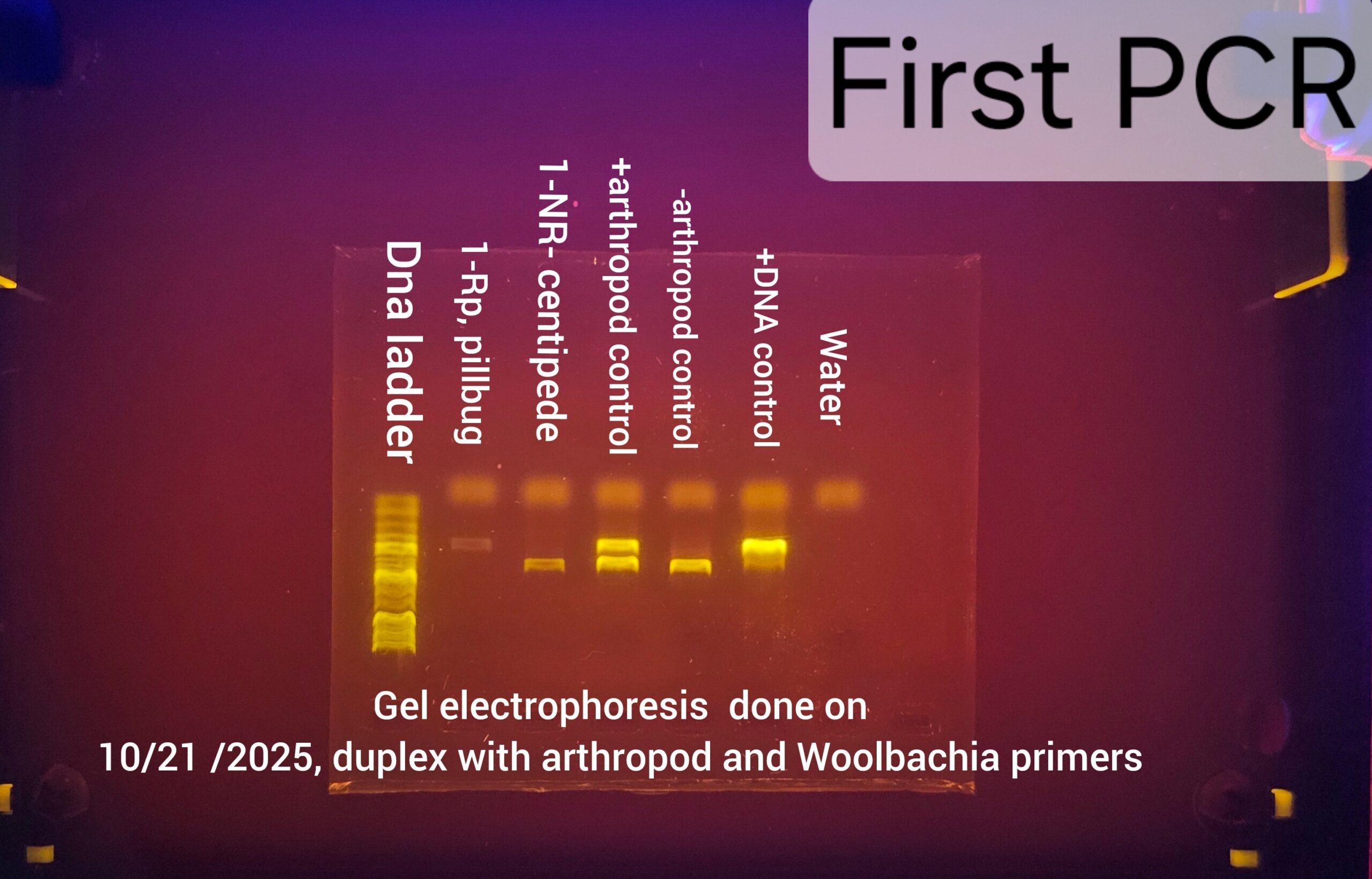
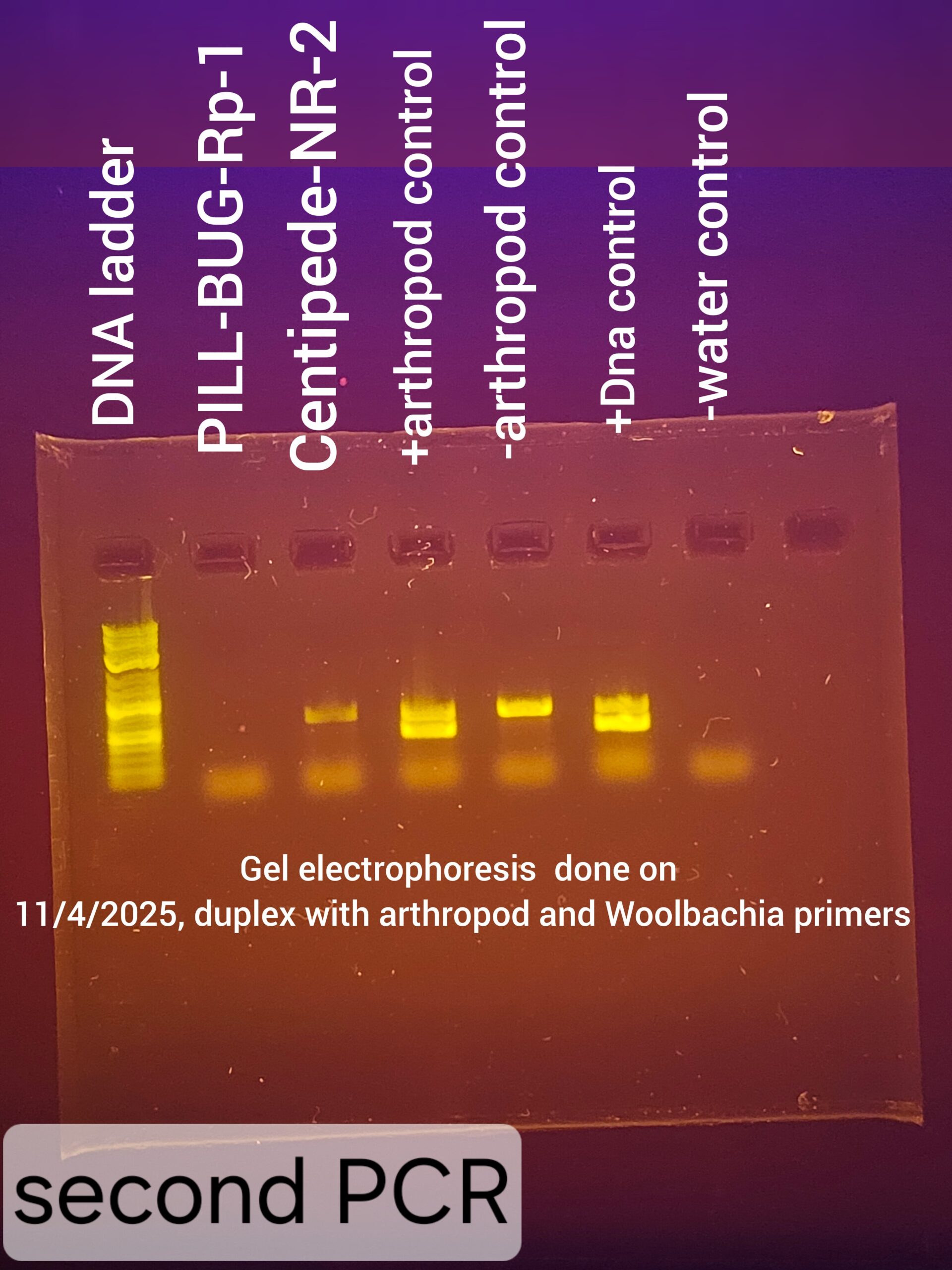
|
| Protocol notes | We used the DNA extraction protocol based on insect adaptation of new england’s biolabs monarch spin gDNA Extraction kit. (Product # T3010) Specimen was incubated for 15 minutes in a hot water bath at 56 degrees C. First pcr was done on oct 14th 2025 and was a duplex reaction since both arthropod CO1 and wolbachia 165 prime together. Annealing temperature at 49 degrees Celsius. Used Taq polymerase new england biolabs hot start quick-load 2x master with standard buffer (M0488S) Our first gel was taken on 10/21/2025 and ran at 100 Volts for 25 minutes and Used DNA ladder:new england biolabs 1kb plus DNA ladder for safe stains (product # No559s) Our third PCR was a single PCR that only had Woolbachia primers using the same equipment. Our third gel image was taken on 11/4 was run at 125 volts for 25 minutes used DNA ladder: new england biolab 1kb plus DNA ladder safe for stains (product # No559s) |
Results |
|
| Wolbachia presence | No |
| Confidence level | Medium |
| Explanation of confidence level | My current confidence level is at a medium for the two uncontaminated Duplex PCR showed zero Infected wolbachia inside the centipede. But It isnt a full 100 percent for because my single PCR for wolbachia failed due to a contamination. For full condifence a successfully doing a single Wolbachia PCR would help solidy that there isnt any Wolbachia DNA whatsoever. |
| Wolbachia 16S sequence | |
| Arthropod COI sequence | Download AB1
GATCAGCAATAATTGGGACTGGCCTTAGCCTTCTTATTCGGTTAGAGTTAAGACAGCCTGGAAGATTAATTGGAGATGATCAAATTTATAATGTCATTGTTACCGCTCACGCCTTCATTATAATTTTTTTTATAGTTATACCAATCATAATTGGGGGATTCGGAAATTGACTTGTACCCTTAATATTAGGGGCCCCAGACATAGCATTTCCTCGAATAAATAACATAAGATTTTGATTACTCCCACCCTCCCTAACTCTCTTACTGTGTTCAGCAGCAGTAGAAAGAGGGGCAGGAACGGGGTGAACCGTTTACCCTCCCTTATCTTCTAATATTTCTCATAGAGGAGCATCAGTTGATATAACAATCTTTTCCCTACATCTCGCCGGAGCATCATCAATCCTGGGAGCAATCAACTTTATCTCCACTATTATTAATATACGGACTAGAGGAATGTCATTTGAACGAGTCCCCCTATTTGTGTGATCCGTAAAAATTACAGTTATCTTGCTCCTCCTTTCTCTTCCAGTATTAGCCGGAGCAATTACAATATTATTAACTGACCGAAACTTAAATACTAGCTTCTTCGACCCTACAGGAGGGGGAGACCCCATTTTATACCAACATTTATTTTGA
BLAST at The Wolbachia Project BLAST at NCBI
|
| Summary | The Lithobius forficatus was found to be negative for Wolbachia. |
 Millipede
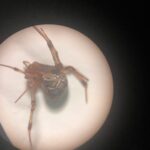 Brown Widow
 (no title)
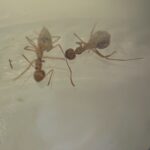 Texas Carpenter Ant
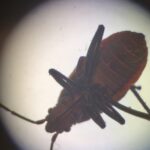 Boxelder Bug (Hemiptera)