Sample information |
|
| Picture |
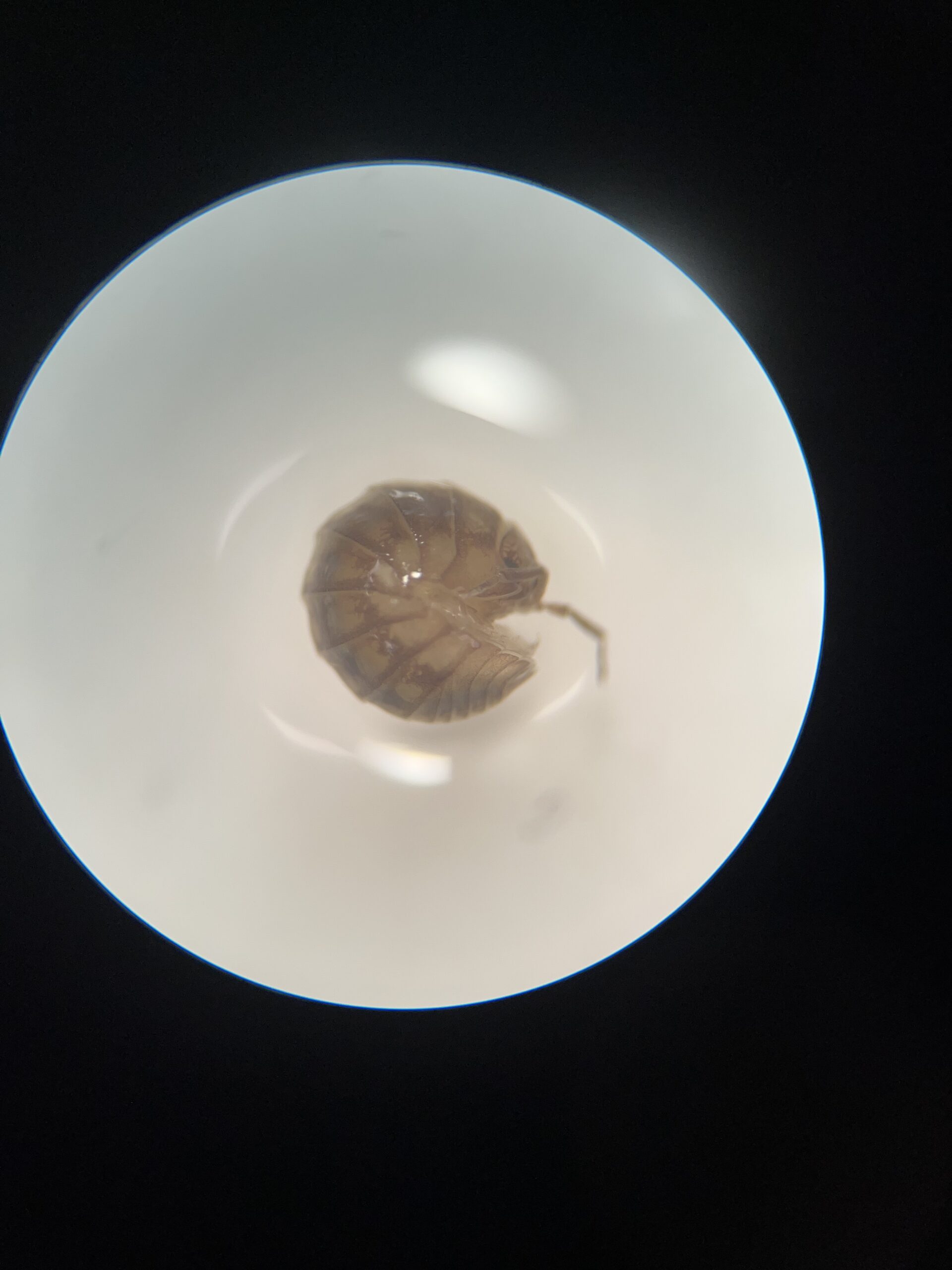
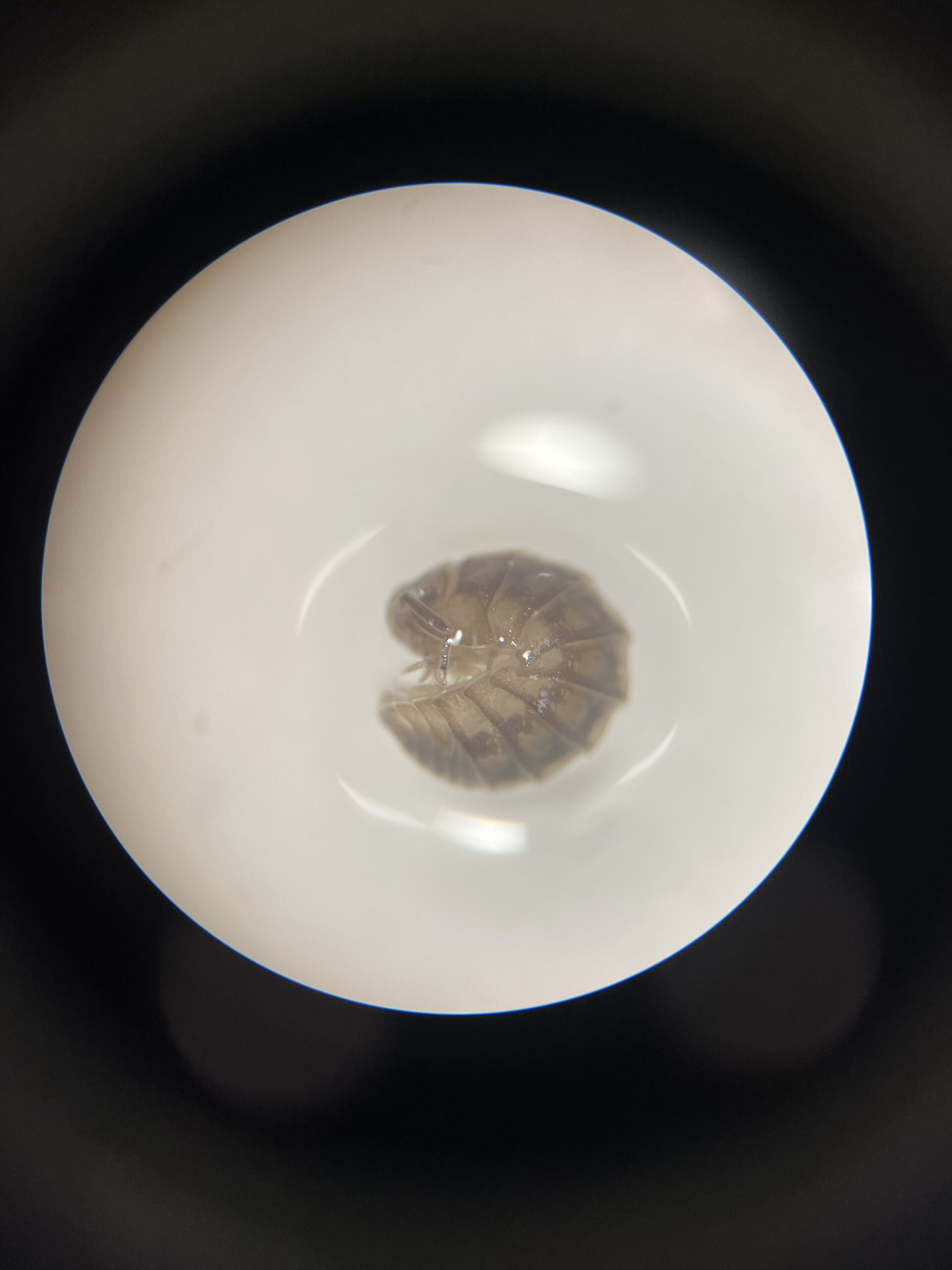
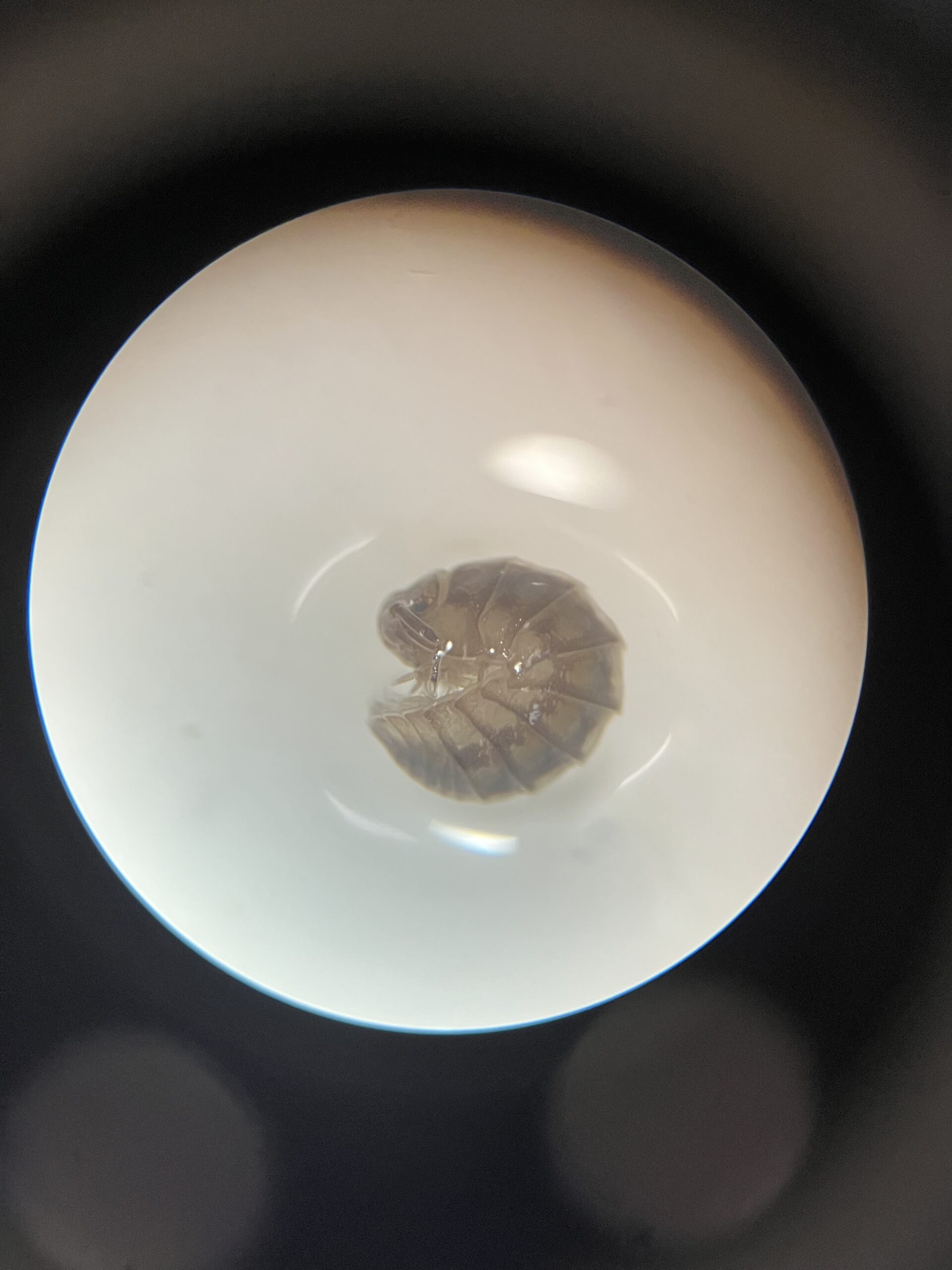
|
|---|---|
| Location | Approximate location: 38.94, -77.09 |
| Collection date | 09/15/2025 |
| Captive / Cultivated? | Wild-caught |
| Group | Edmund Burke School |
| Observations | Found this arthropod underneath a rock with near a couple other arthropods. Caught it nearing the first day of fall in the end of the summer. The temperature when I caught it was 74* F in a terrestrial habitat. The arthropod had more than 8 legs and appeared to be a pill bug. It was gray and brownish gray. |
| Putative identification | Arthropoda Malacostraca Isopoda Armadillidae Armadillidium |
Methods |
|
| Extraction kit | DNeasy (Qiagen) |
| DNA extraction location | Whole arthropod |
| Single or Duplex PCR | Single Reaction |
| Gel electrophoresis system | MiniOne |
| Buffer | TBE |
| DNA stain | GelGreen |
| Gel images |
|
| Protocol notes | DNA Extraction: Arthropod was easy to extract DNA from. Crushed easily. No mistakes recorded. PCR: We ran the PCR once and then we ran it again because we couldn’t see any bands for our arthropod gel electrophoresis. The second time the PCR went as planned. We did not identify any signs of contamination. Gel electrophoresis, Arthropod CO1: In the arthropod gel we found a band under the B-6 lane. In the B-5 and B-6 lanes of the gel electrophoresis, we had the corresponding DNA for each arthropod. In the W+ lane was a Wolbachia positive control and in the W- lane was a Wolbachia negative control, and in the H20 lane was a water control. We found bands for our W+ and W- controls. There was not band under the B-5 arthropod. Our controls worked meaning that something went wrong for B-5 arthropod specifically. We cannot be certain about any results from the B-5 arthropod, but we can trust the results from the B-6 arthropod. Gel electrophoresis, Wolbachia: There was not a band for Wolbachia in the B-6 lane of our gel. We found a band for our W+ control. There was no band for arthropods B-5 and our W- control. Our controls worked as intended so we can conclude that the B-6 was Wolbachia negative. |
Results |
|
| Wolbachia presence | No |
| Confidence level | High |
| Explanation of confidence level | I am confident in these results because our controls all produced the results they were supposed to, and we had a band in our arthropod gel electrophoresis confirming that there was enough DNA to check if Wolbachia is present. There was no band so there was no Wolbachia. |
| Wolbachia 16S sequence | |
| Arthropod COI sequence | Download FASTA
Download AB1
AATAATTATTCGGACTGAATTnnnNNnnnnnnnGAGTCTCATTGGGGATGATCAAATCTATAATGTAnnnnnnnCGGCTC ATGCTTTTGTAATGATTTTCTTCATAGTAATACCTATTATAATTGGAGGTTTTGGAAATTGATTAATTCCTTTGATATTA GGGGCTCCTGATATAGCTTTCCCTCGTATAAACAATATAAGATTTTGGCTGCTTCCCCCTTCTTTAACTTTACTCCTTAG CAGAGGATTAATTGAAAGAGGAGTAGGAACGGGATGAACTGTTTACCCTCCTTTGGCATCAAGAATTGCCCATAGTGGAG CTTCTGTAGATTTAGGTATCTTTTCTCTTCATCTTGCTGGGGCTTCATCAATTTTAGGGGCAGTAAACTTTATTACGACT ATAATTAATATACGGGCGTCCGGAATTAGTATGGATCGTGTGCCTTTATTTGTTTGGTCTGTTTTAGTAACCGCGGTTCT TCTTCTCTTATCTTTACCTGTTCTTGCTGGAGCTATTACTATACTATTGACTGACCGTAATTTAAATACATCTTTTTTTG ATCCGAGGGGAGGGGGGGATCCTATTCTTTATCAGCATTTATTCTGATTTTTTG
BLAST at The Wolbachia Project BLAST at NCBI
|
| Summary | The Armadillidium was found to be negative for Wolbachia. |
 (no title)
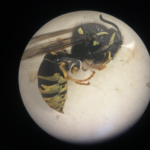 Yellowjacket Wasp
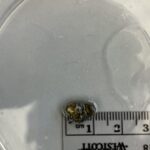 Pillbug
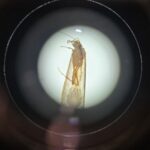 Umpachene Falls Caddisfly
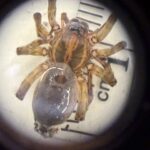 Wolf Spider