Sample information |
|
| Picture |
|
|---|---|
| Location | Approximate location: 35.73, -81.69 |
| Collection date | 09/25/2025 |
| Captive / Cultivated? | Wild-caught |
| Group | NCSSM |
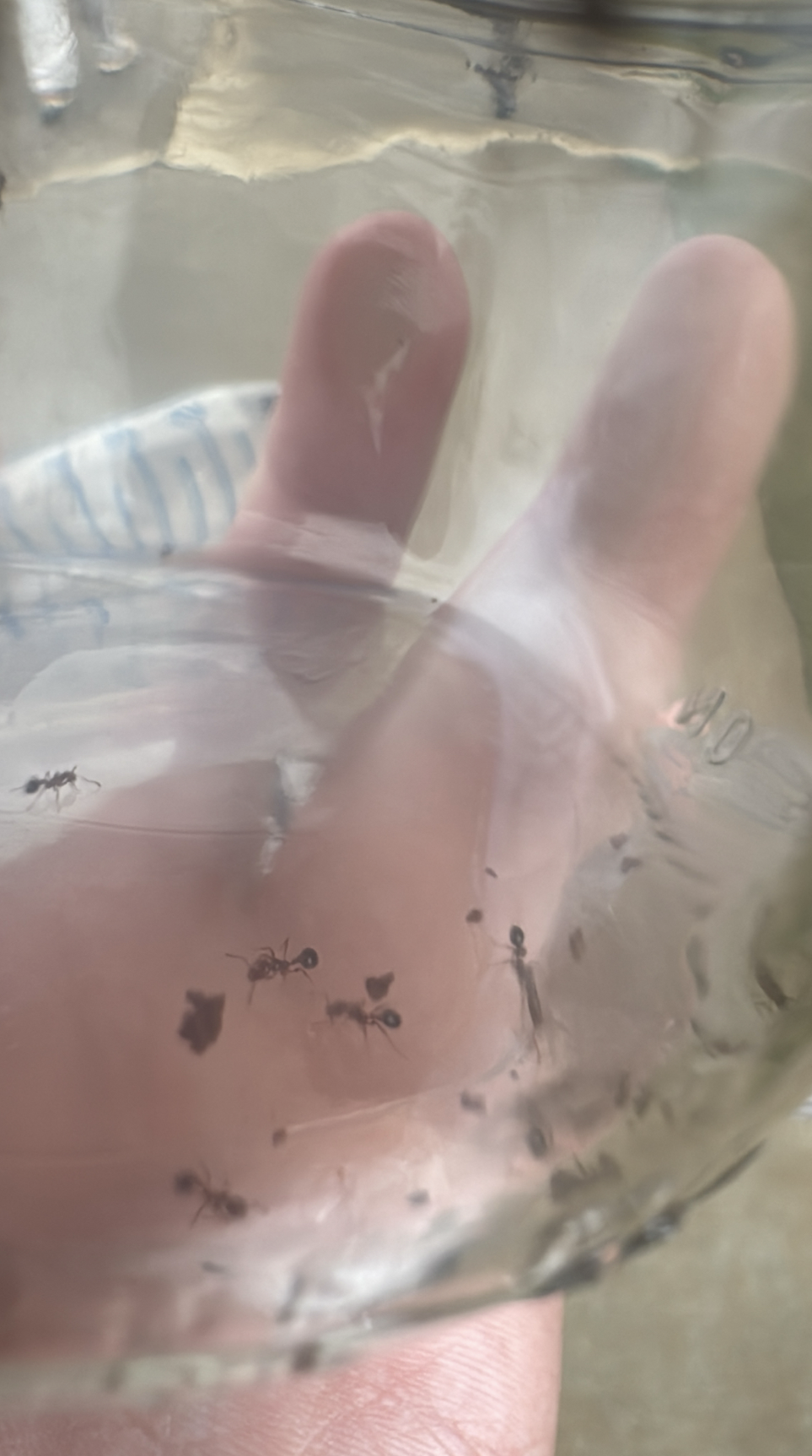
| Observations | We collected these specimens from an “ant hill”, they swarmed the top of the newly broken hill, this was when we were able to collect them. |
| Putative identification | Arthropoda Insecta Hymenoptera Formicidae Solenopsis Solenopsis invicta |
Methods |
|
| Extraction kit | DNeasy (Qiagen) |
| DNA extraction location | Whole arthropod |
| Single or Duplex PCR | Single Reaction |
| Gel electrophoresis system | MiniPCR |
| Buffer | TBE |
| DNA stain | Cyber Green |
| Gel images |
|
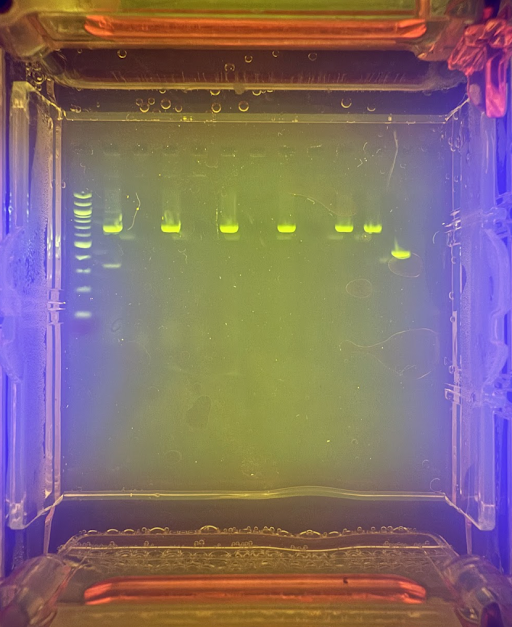
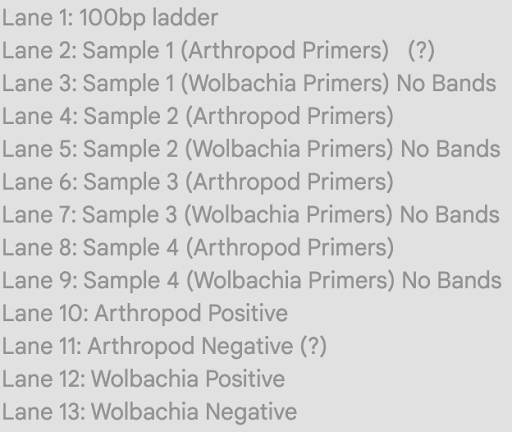
| Protocol notes | We did have contamination with our Arthropod negative control. For this sample I believe I used two ants instead of just one, since they were so small. |
Results |
|
| Wolbachia presence | No |
| Confidence level | Medium |
| Explanation of confidence level | This Arthropod is known to have Wolbachia in other parts of the world. |
| Wolbachia 16S sequence | |
| Arthropod COI sequence | Download AB1
|
| Summary | The Solenopsis invicta was found to be negative for Wolbachia. |
 Millipede
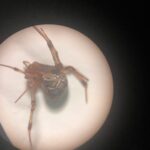 Brown Widow
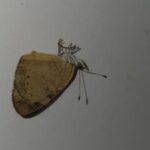 (no title)
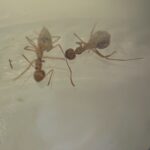 Texas Carpenter Ant
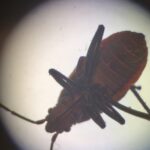 Boxelder Bug (Hemiptera)