Sample information |
|
| Picture |
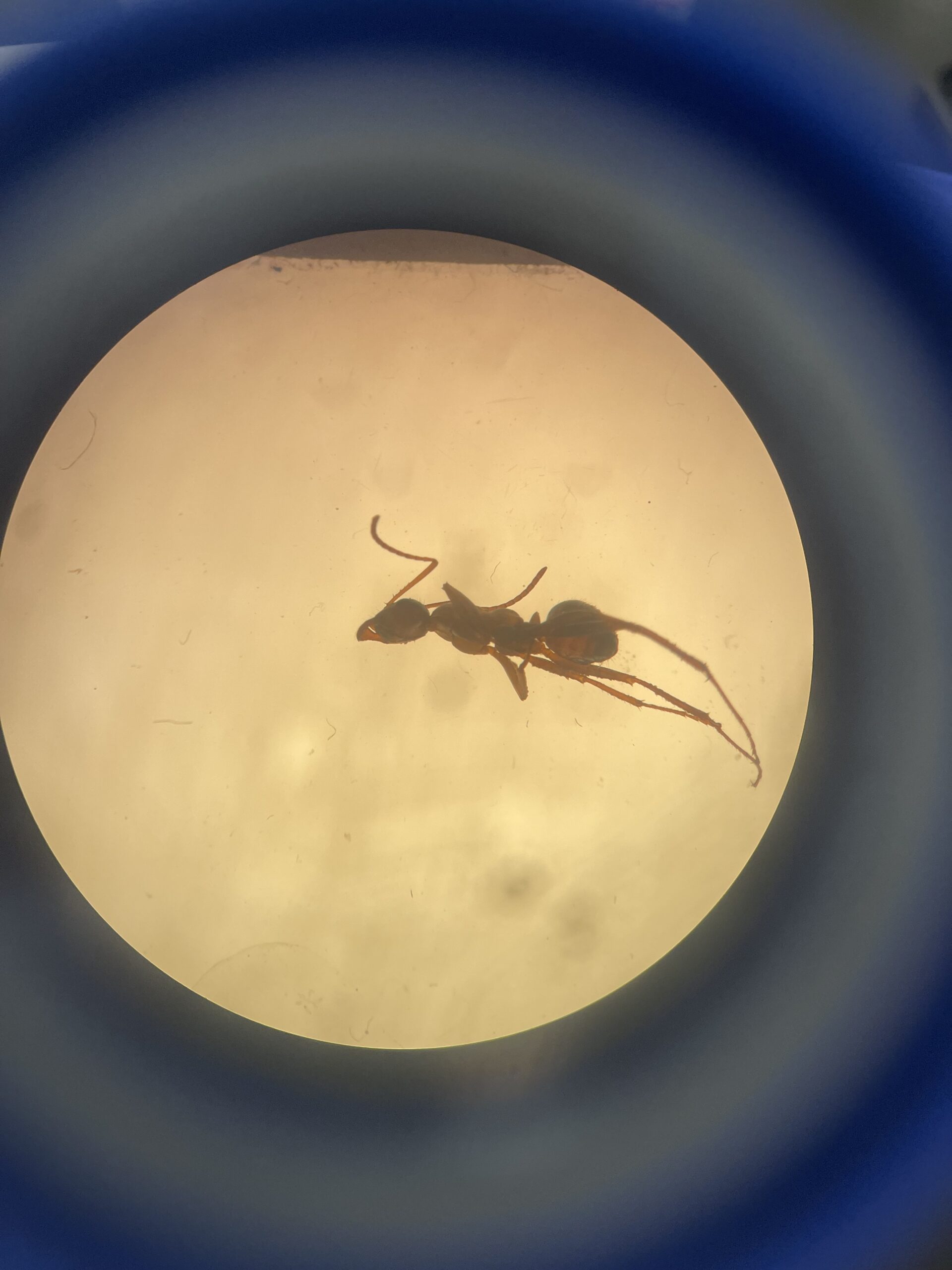
|
|---|---|
| Location | Approximate location: 41.78, -88.10 |
| Collection date | 09/04/2025 |
| Captive / Cultivated? | Wild-caught |
| Group | Benedictine University |
| Observations | I used a aspirator to capture my insect which was found in the walk path near grass outside of Goodwin. |
| Putative identification | Arthropoda Insecta Hymenoptera |
Methods |
|
| Extraction kit | DNeasy (Qiagen) blood and tissue kit |
| DNA extraction location | Whole arthropod |
| Single or Duplex PCR | Single Reaction |
| Gel electrophoresis system | Standard electrophoresis system |
| Buffer | TAE |
| DNA stain | SYBR Safe |
| Gel images |
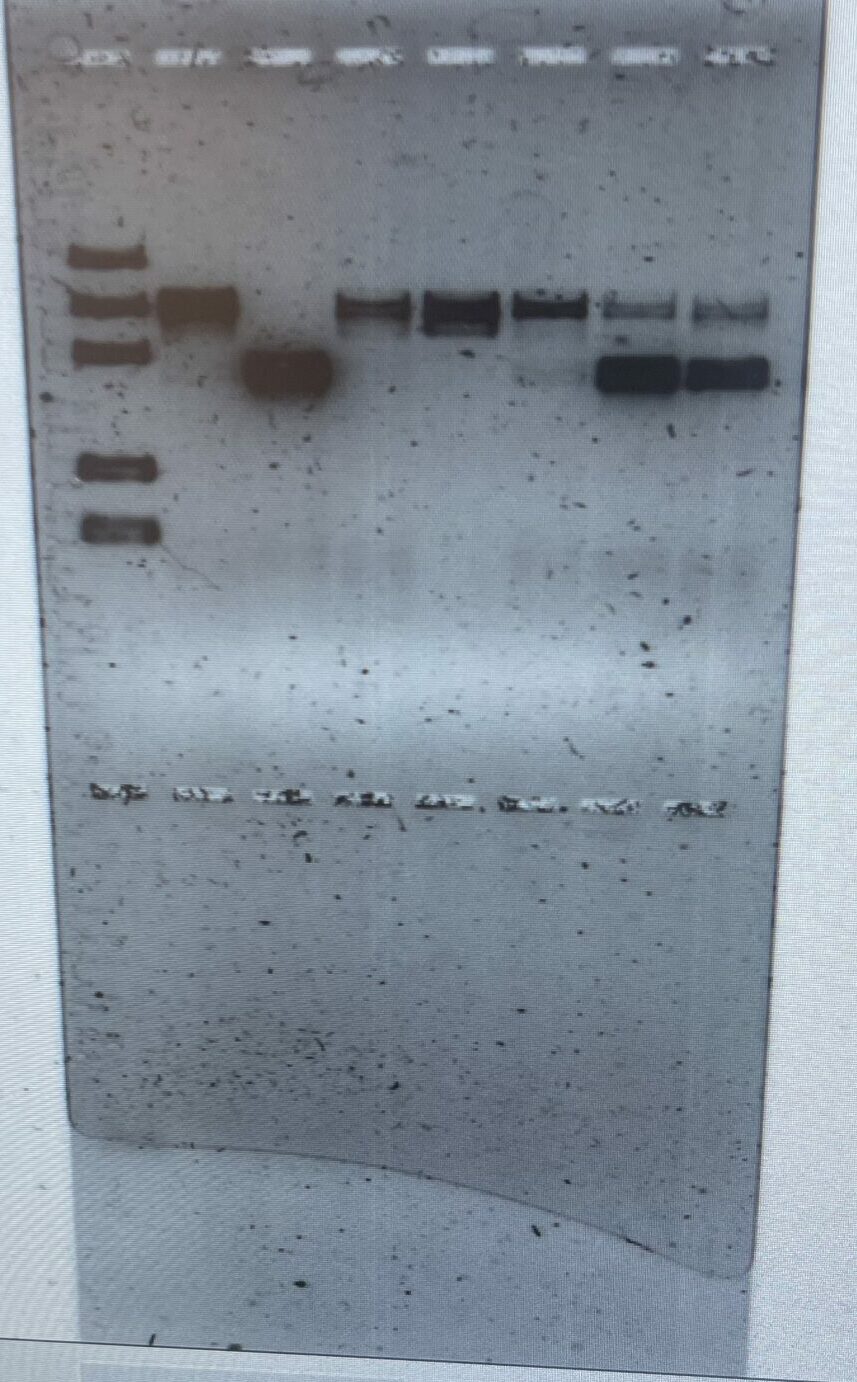
|
| Protocol notes | |
Results |
|
| Wolbachia presence | No |
| Confidence level | High |
| Explanation of confidence level | My Nanodrop results show very low DNA concentrations for the Wolbachia-specific samples, which means there was not enough Wolbachia DNA present to detect. In the gel electrophoresis, my lane (the 3rd band) shows no Wolbachia band, meaning the Wolbachia primers did not amplify anything. Because both the Nanodrop values and the gel show no amplification, I am confident my insect did not contain Wolbachia. |
| Wolbachia 16S sequence | |
| Arthropod COI sequence |
|
| Summary | The Hymenoptera was found to be negative for Wolbachia. |
 Millipede
 Brown Widow
 (no title)
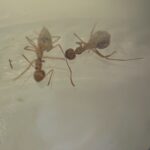 Texas Carpenter Ant
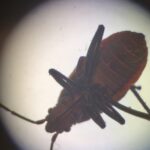 Boxelder Bug (Hemiptera)