Sample information |
|
| Picture |
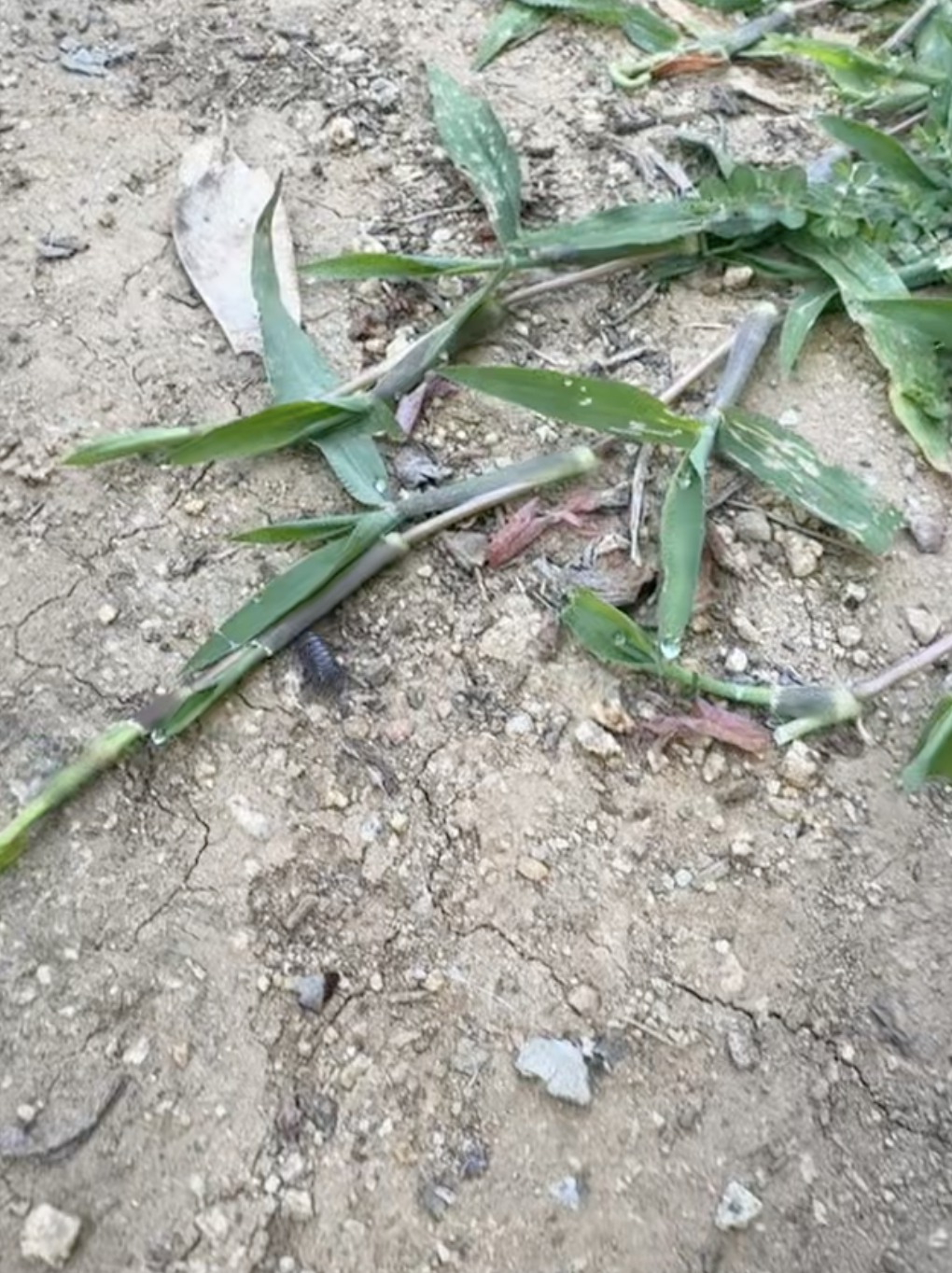
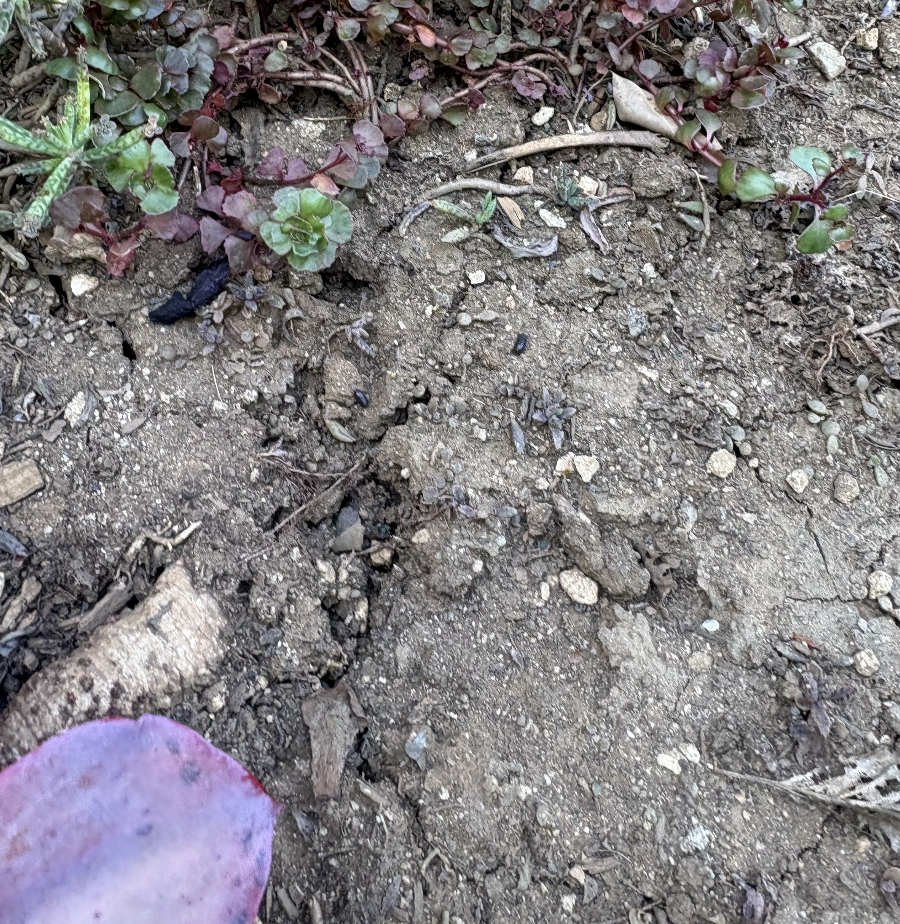
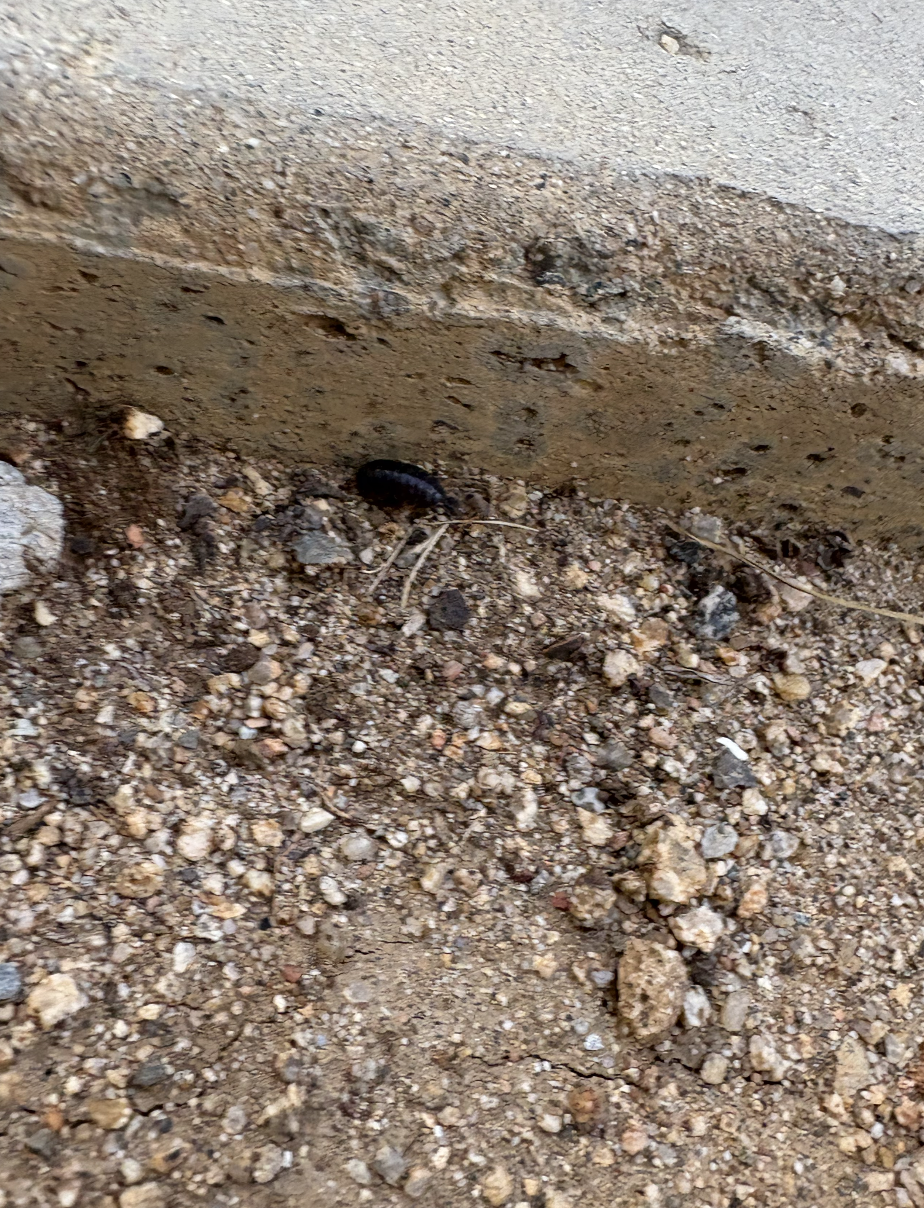
|
|---|---|
| Location | Approximate location: 33.88, -118.24 |
| Collection date | 05/04/2026 |
| Captive / Cultivated? | Wild-caught |
| Group | California Academy of Mathematics and Science |
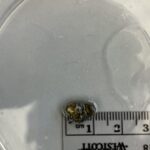
| Observations | Our group found these roly polys in some grassy area near our school. We collected them at about 10 am, and it was sunny with a slight breeze, about 68 degrees F outside. Here, we attached an image of the areas that we collected these roly polys from. There were many different roly polys, but we picked the three that had the most contrasting disparity in size. |
| Putative identification | Arthropoda Malacostraca Isopoda Armadillidae Armadillidium Armadillidium vulgare |
Methods |
|
| Extraction kit | Edwards Buffer |
| DNA extraction location | Abdomen |
| Single or Duplex PCR | Duplex Reaction |
| Gel electrophoresis system | Standard electrophoresis system Bio-Rad |
| Buffer | 1X TAE |
| DNA stain | UView |
| Gel images |
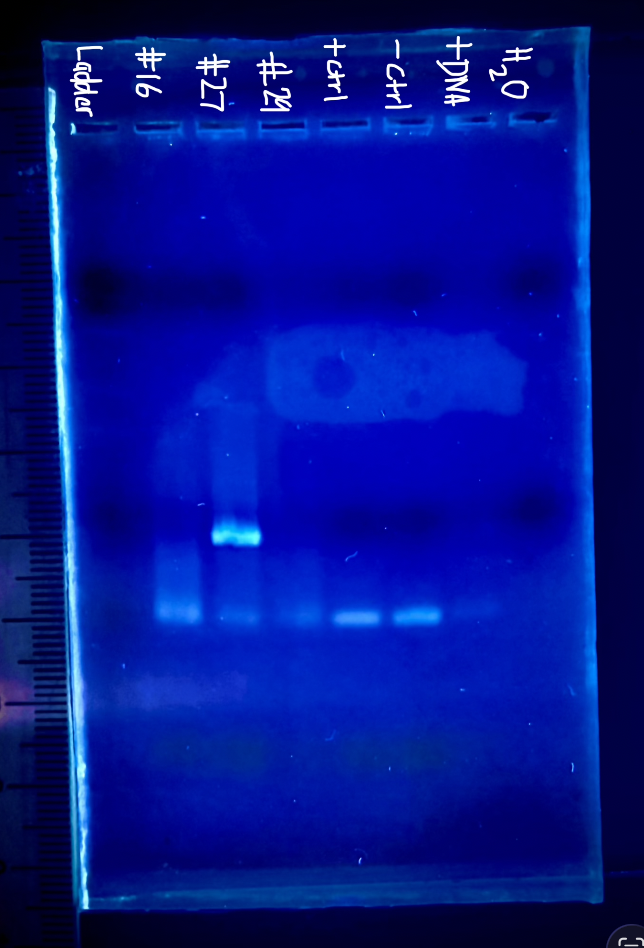
|
| Protocol notes | We will collect pill bugs of various sizes: 1 large (>10 mm long), 1 medium (~10 mm long), 1 large (<10 mm long). Used forceps to pick the roly poly up, ensuring not to harm them and keep them as whole as possible when putting into collection tube to ensure enough DNA would be collected. |
Results |
|
| Wolbachia presence | Unknown |
| Confidence level | High |
| Explanation of confidence level | The gel we ran was inconclusive because the controls for + and – did not appear on the gel, making it unclear whether the DNA samples were positive for Wolbachia. |
| Wolbachia 16S sequence | |
| Arthropod COI sequence |
|
| Summary | |
 (no title)
 Yellowjacket Wasp
 Pillbug
 Umpachene Falls Caddisfly
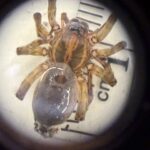 Wolf Spider