Sample information |
|
| Picture |
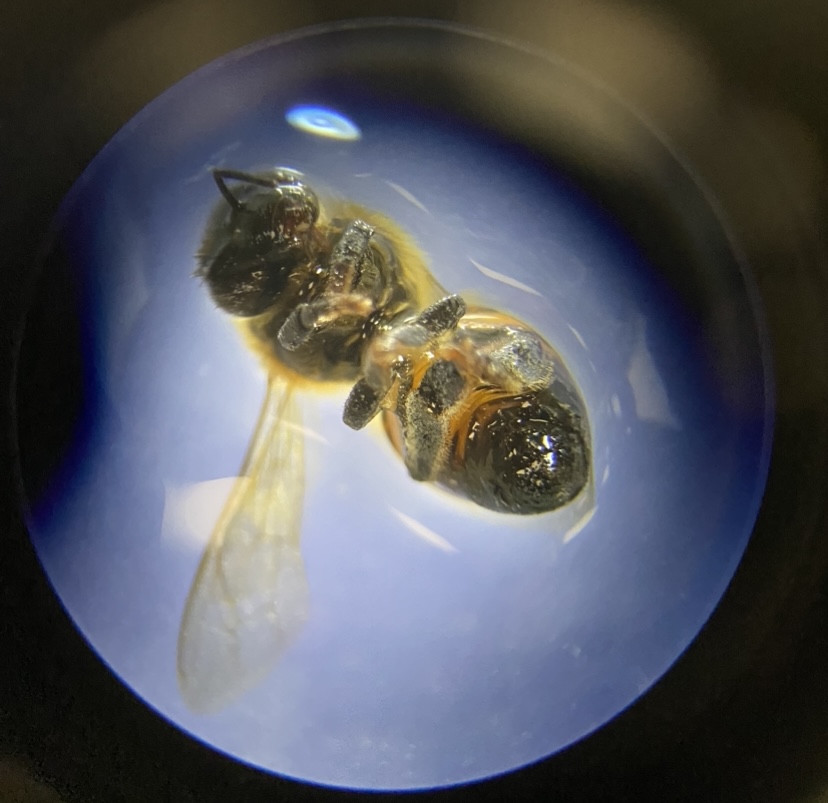
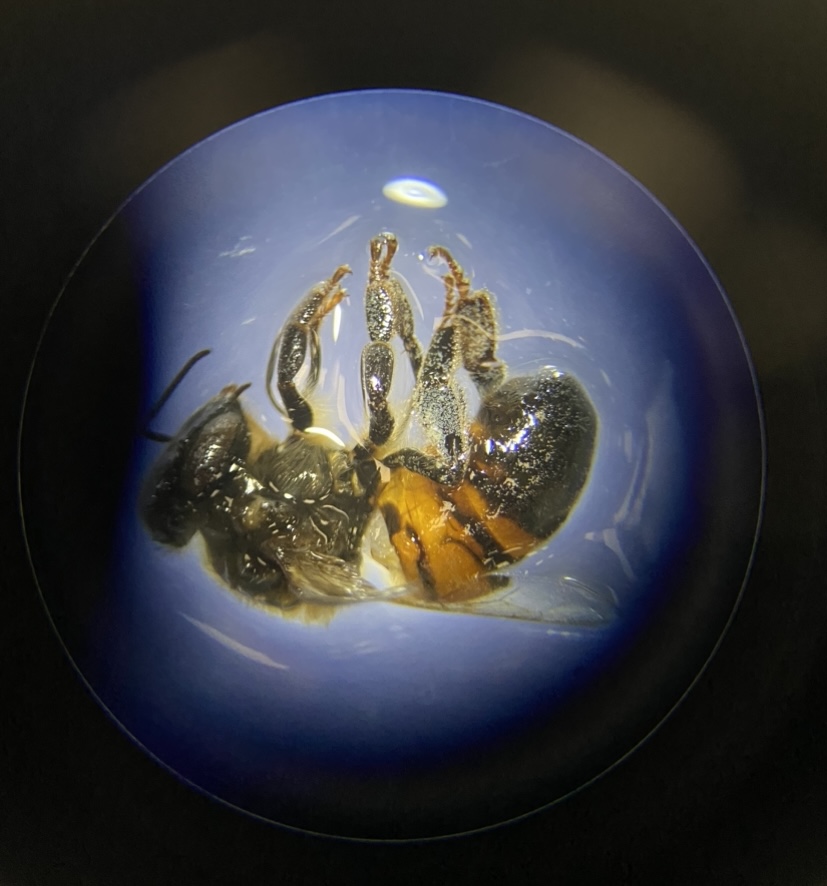
|
|---|---|
| Location | Approximate location: 31.97, -81.16 |
| Collection date | 01/23/2024 |
| Captive / Cultivated? | Wild-caught |
| Group | Georgia Southern University |
| Observations | date of collection: January 23rd, 2024 time of collection: Approximately 11:50 am location of collection: Between Jenkins Hall and the Quad environment (habitat) of collection: Tall flower plants method of collection: Enclosed flower within glass jar, carefully removed the jar just enough from the flower to twist the lid back on. |
| Putative identification | Arthropoda Insecta Hymenoptera |
Methods |
|
| Extraction kit | |
| DNA extraction location | Whole arthropod |
| Single or Duplex PCR | Single Reaction |
| Gel electrophoresis system | Standard electrophoresis system |
| Buffer | TAE |
| DNA stain | Other |
| Gel images |
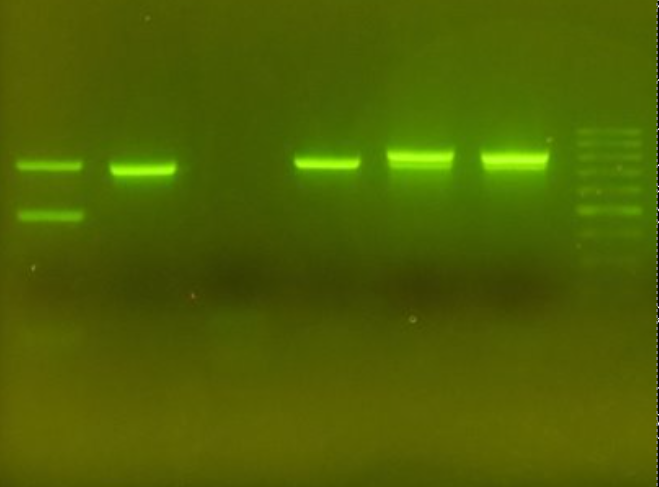
|
| Protocol notes | DNA extraction kit of in-house reagents were used |
Results |
|
| Wolbachia presence | No |
| Confidence level | High |
| Explanation of confidence level | It is uncommon for Hymenoptera to be Wolbachia positive compared to other orders. Our Gel electrophoresis went exactly how it was expected. |
| Wolbachia 16S sequence | |
| Arthropod COI sequence |
|
| Summary | The Hymenoptera was found to be negative for Wolbachia. |
 (no title)
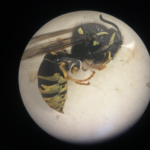 Yellowjacket Wasp
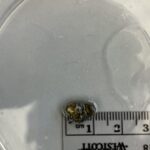 Pillbug
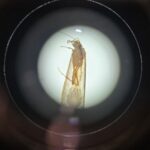 Umpachene Falls Caddisfly
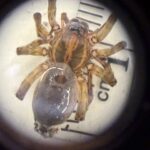 Wolf Spider