Sample information |
|
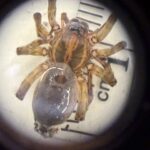
| Picture |


|
|---|---|
| Location | Approximate location: 40.62, -74.57 |
| Collection date | 05/30/2025 |
| Captive / Cultivated? | Wild-caught |
| Group | Pingry School |
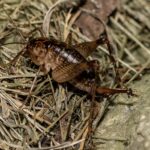
| Observations | The bug was hopping from grass blade to blade, somewhat camouflaging itself with the greenery around it. It looked a little lighter than the green grass and more transparent, so if you looked closely, you could see it. It barely flew much, mainly just hopping and using it’s wings to glide or gain a bit more air. It primarily stayed low and still, only hopping away when it felt it was trying to be grabbed. |
| Putative identification | Arthropoda Insecta Neuroptera Chrysopidae |
Methods |
|
| Extraction kit | DNeasy (Qiagen) blood and tissue kit |
| DNA extraction location | Whole arthropod |
| Single or Duplex PCR | Single Reaction |
| Gel electrophoresis system | Standard electrophoresis system |
| Buffer | 1X TAE |
| DNA stain | SYBR Safe |
| Gel images |

|
| Protocol notes | Extract the DNA using the DNeasy (Qiagen) blood and tissue kit, and then amplify the Arthropod COI gene and the potential Wolbachia gene using PCR. After DNA was amplified, it was stained with SYBR Safe and run through a gel. Then, samples that had bands for COI or Wolbachia were purified using the QIAquick PCR Purification kit and sent out for sequencing. |
Results |
|
| Wolbachia presence | No |
| Confidence level | High |
| Explanation of confidence level | DNA Extraction and amplification were successful due to the presence of a COI band in the A/02 lane. However, in the W/02 lane, no Wolbachia band was apparent. Thus, since nothing else went wrong, it can be concluded that the Pagaronia Minor has no Wolbachia infection. |
| Wolbachia 16S sequence | |
| Arthropod COI sequence | Download FASTA
Download AB1
GGGTNTAATACTTANAATATTGATTCNAGTAGAATTAGCACAACCTGGACCTTTACTTAATAATGATCAAGTATACAATG TAATTGTGACTTCTCATGCATTTATCATGATTTTTTTTATAGTTATACCAATTATAATCGGTGGTTTTGGGAATTGATTA TTACCATTAATAATTGGTGCACCAGATATAGCATTTCCACGAATAAATAATATAAGTTTTTGGTTATTACCTCCTTCCCT AACATTGCTATTAATTAGTTCTATAGNANNNATAGGTGCTGGNACNNGCTGAACAGNATACCCCCCACTATCNTCTAATA TTGCTCACTCTGGTCCAAGAGTGGATTTAGCTATTTTCTCGCTTCATTTAGCAGGAATCTCATCTATTTTGGGGGCAGTA AACTTCATTACAACAGNAATTAATATGCGTAGAATTGGGATAAAATTANACCGGACTCCTTTATTCGTCTGATCTGTTTT AATTACAGCAATTCTTTTACTTCTATCTCTACCAGTTTTAGCAGGAGCTATTACTATATTATTAACTGATCGTAATATTA ATACCTCCTTTTTTGATCCGTCCGGGGGTGGNGACCCTATTTTATACCAACATCTATTTTGATTTTTTG
BLAST at The Wolbachia Project BLAST at NCBI
|
| Summary | The Chrysopidae was found to be negative for Wolbachia. |
 (no title)
 Yellowjacket Wasp
 Pillbug
 Umpachene Falls Caddisfly
 Wolf Spider