Sample information |
|
| Picture |
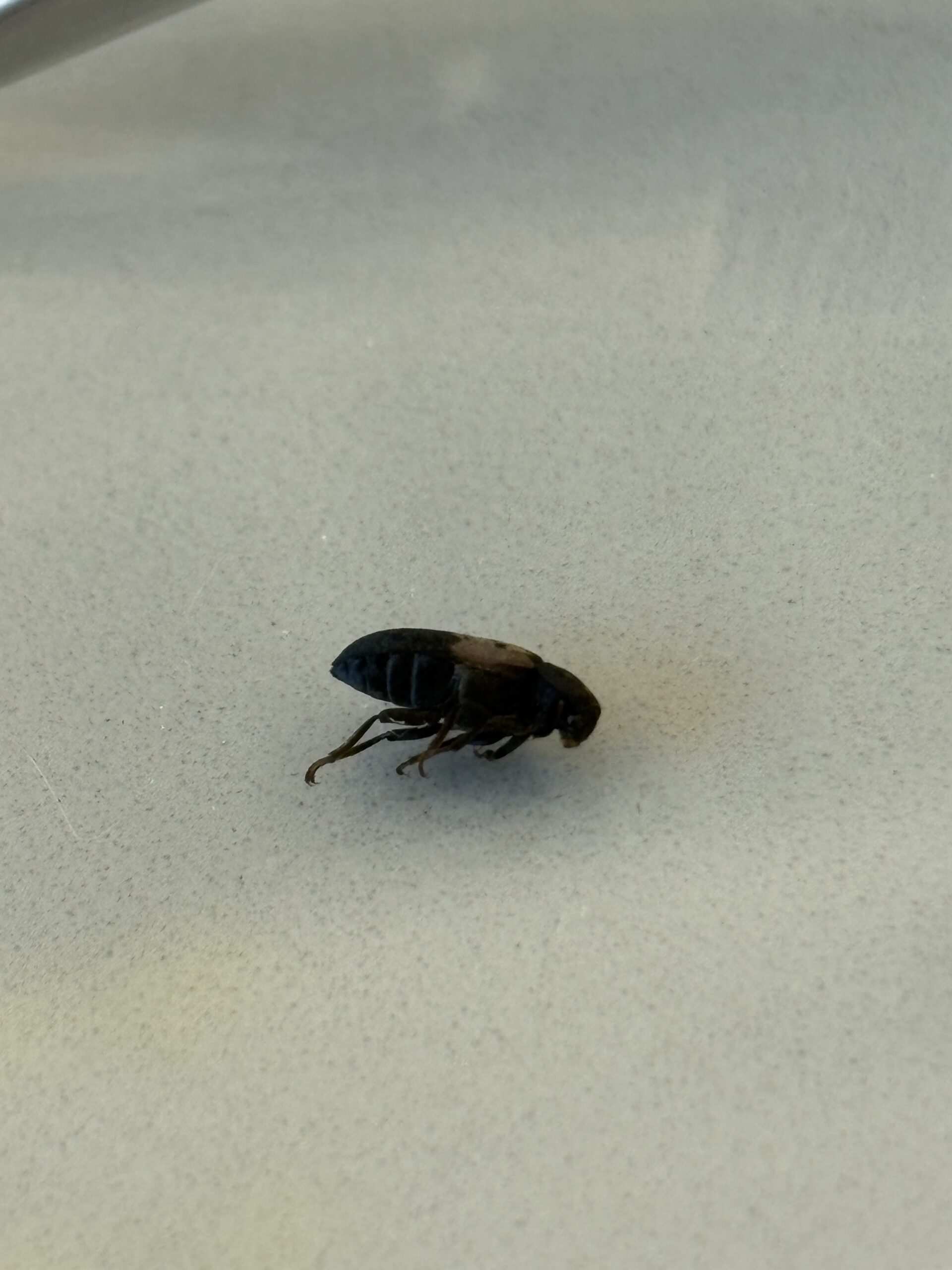
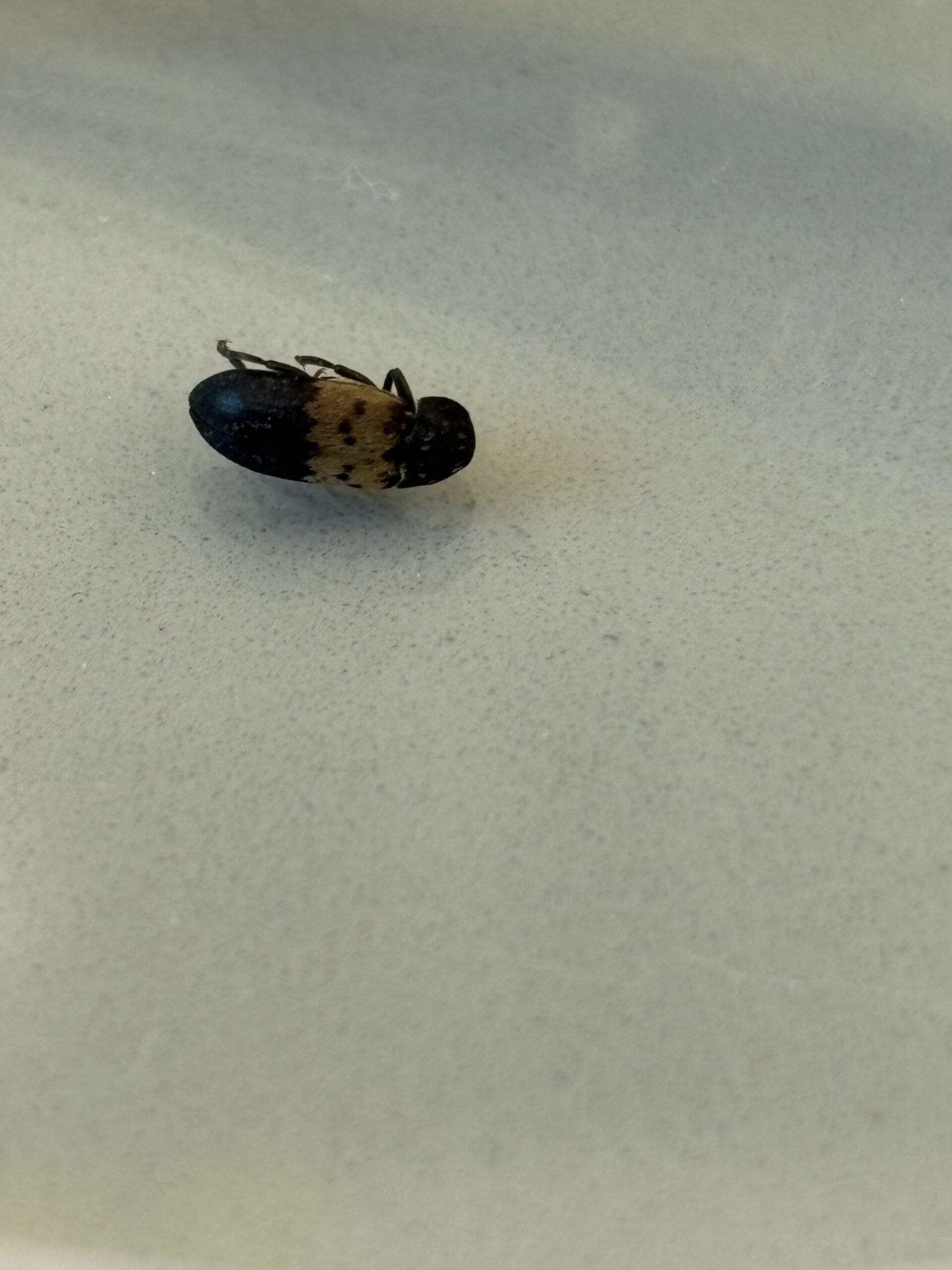
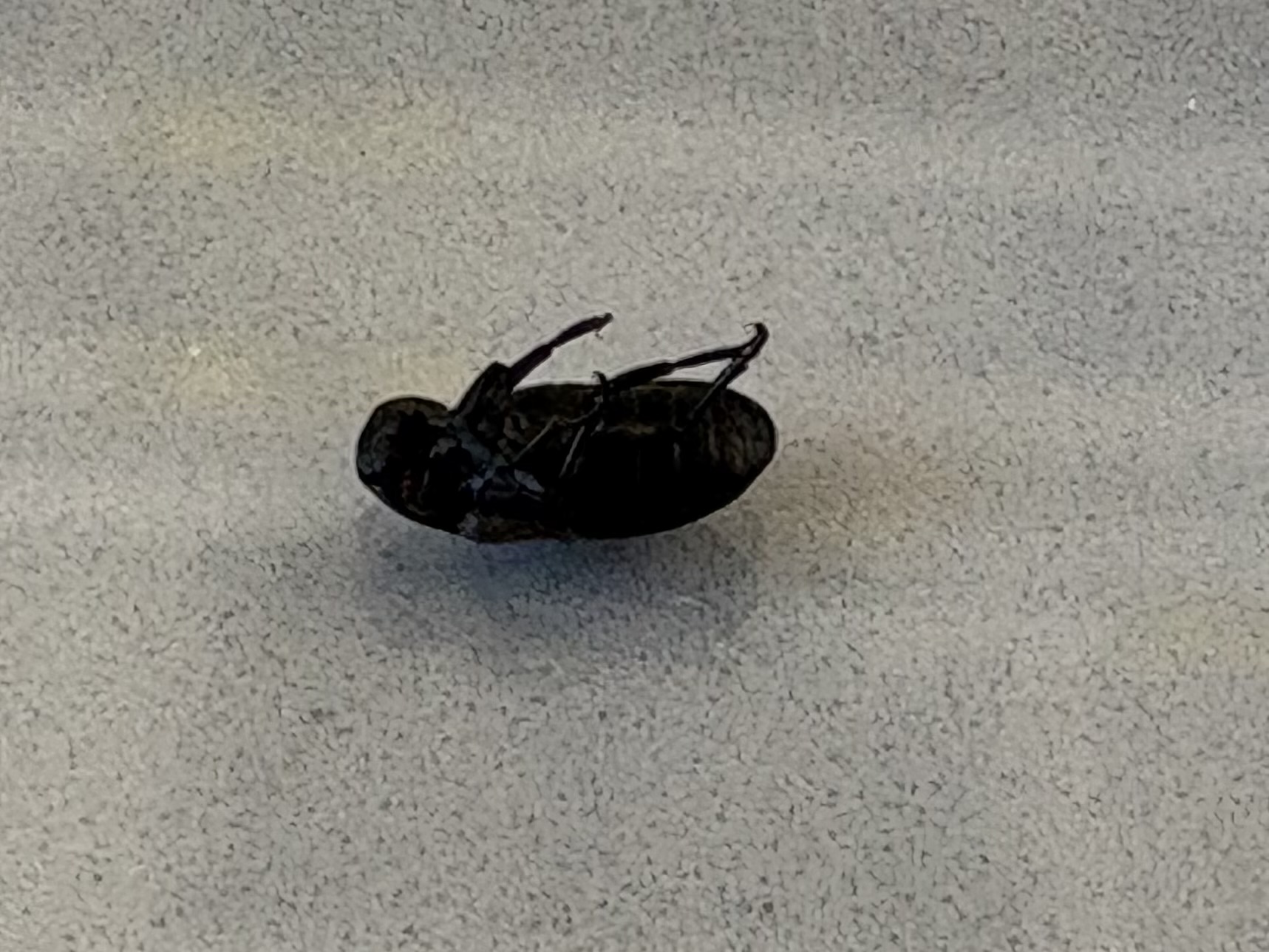
|
|---|---|
| Location | Approximate location: 42.70, -73.04 |
| Collection date | 09/27/2025 |
| Captive / Cultivated? | Wild-caught |
| Group | Berkshire Community College |
| Observations | Black beetle but has a brown stripe in the center of the body. Appears to have wings as well; very small. |
| Putative identification | Arthropoda Insecta Coleoptera Dermestidae Dermestes Dermestes lardarius |
Methods |
|
| Extraction kit | Monarch DNA extraction (NEB) |
| DNA extraction location | Abdomen |
| Single or Duplex PCR | Duplex Reaction |
| Gel electrophoresis system | Edvotek Gel Electrophoresis |
| Buffer | 1X TAE |
| DNA stain | SYBR Safe |
| Gel images |
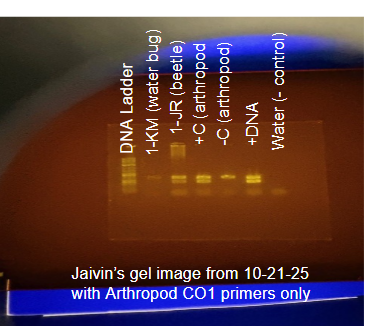
|
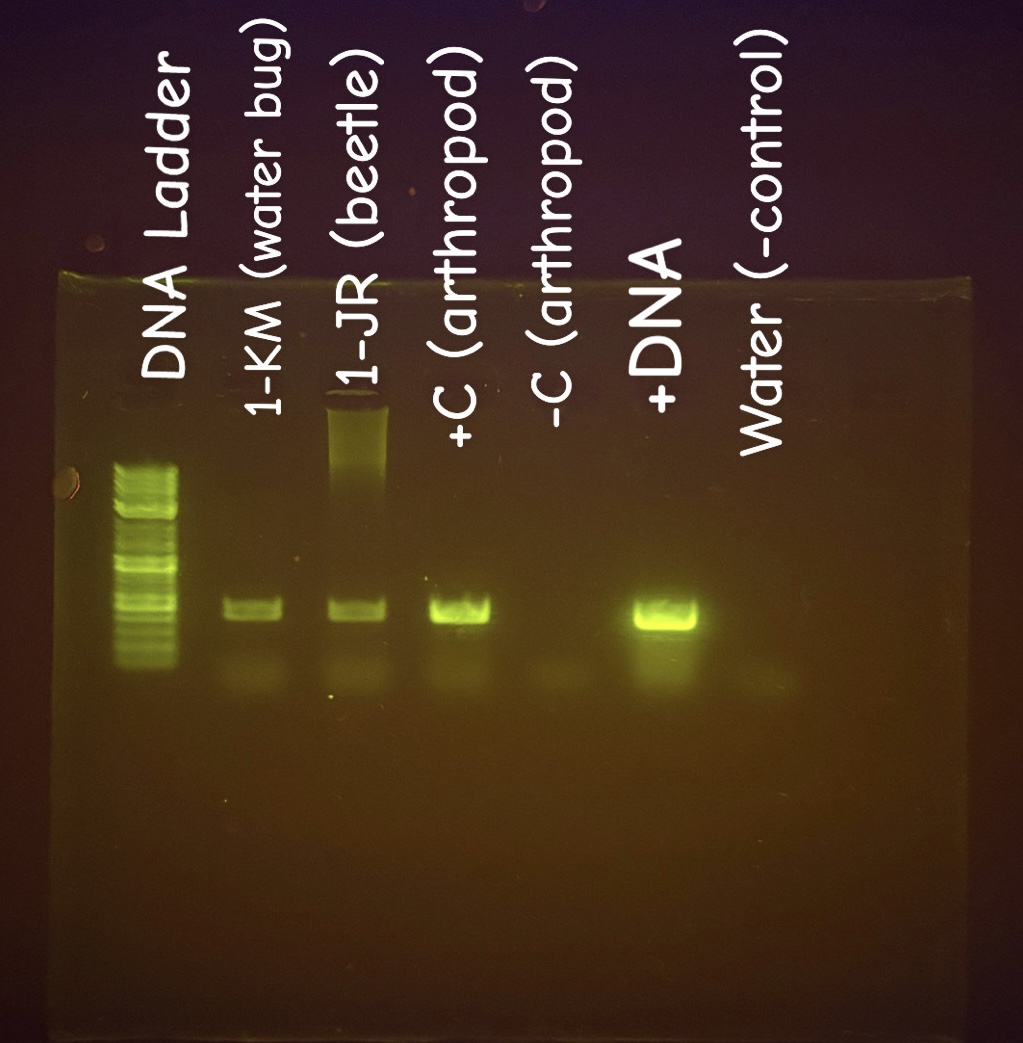
| Protocol notes | We used a DNA extraction protocol based on the insect adaptation of New England Biolabs’ Monarch Spin gDNA extraction kit (Product #T3010). The specimen was incubated for 30 minutes in a hot water bath at 56 degrees C. Our first PCR reaction was set up on 10/14/25 and was a duplex reaction because we used both the Arthropod CO1 and Wolbachia 16S primers together. We used an annealing temperature of 49 degrees Celsius. Our Taq polymerase was New England Biolabs OneTaq Hot Start Quick-Load 2X Master Mix with Standard Buffer (#M0488S). Our first gel image was taken on 10-21-25 and was run at 125 volts for 15 minutes. We used the New England Biolabs 1 kb plus DNA ladder for safe stains (product # N0559S) Our second PCR reaction was set up on 10-28-25. We used the same Taq polymerase as first reaction. I did a single reaction that used Wolbachia_F and Wolbachia_R primers. I used an annealing temperature of 55 degrees Celsius. Our second gel image was taken on 11-4-25 and it was run at 125 volts for 30 minutes. We used the New England Biolabs 1 kb Plus DNA Ladder for Safe Stains (product # N0559S). |
Results |
|
| Wolbachia presence | Yes |
| Confidence level | High |
| Explanation of confidence level | All DNA and controls were shown with no contamination, and the bands were where they were supposed to be. The controls were clearly visible which strengthens my confidence. When looking at the 3rd well, you can see that the arthropod has many bright bands indicating the presence of Wolbachia. After looking at the gel image a 2nd time it strengthens my confidence of my arthropod having Wolbachia. I had 1 very bright band around 438bp and 1 faint band, reflecting that Wolbachia is present. After doing the 2 rounds and seeing the same results, my confidence is very high. |
| Wolbachia 16S sequence | Download AB1
GTGTTGCATGGCTGTCGTCAGCTCGTGTCGTGAGATGTTGGGTTAAGTCCCGCAACGAGCGCAACCCTCATCCTTAGTTACCATCAGGTAATGCTGGGGACTTTAAGGAAACTGCCAGTGATAAACTGGAGGAAGGTGGGGATGATGTCAAGTCATCATGGCCCTTATGGAGTGGGCTACACACGTGCTACAATGGTGGCTACAATGGGCTGCAAAGTCGCGAGGCTAAGCTAATCCCTTAAAAGCCATCTCAGTTCGGATTGTACTCTGCAACTCGAGTACATGAAGTTGGAATCGCTAGTAATCGTGGATCAGCATGCCACGGTGAATACGTTCTCGGGTCTTGTACACACTGCCCGTCACGCCATGGGAATTGGTTTCACTCGAAGCTA
BLAST at The Wolbachia Project BLAST at NCBI
|
| Arthropod COI sequence | Download AB1
TGAGCAGGAATAGTAGGAACATCCTTAAGAATACTAATTCGAACAGAATTAGGAATACCTGGCTCATTAATTGGAAACGATCAAATTTTTAATGTAATCGTTACAGCACATGCATTTATCATAATTTTCTTTATAGTAATGCCCATTATAATTGGAGGATTTGGAAATTGACTTGTCCCATTAATACTTGGAGCACCAGATATAGCATTCCCCCGAATAAATAACATAAGATTTTGACTTCTACCTCCTTCACTATCTTTATTACTGATAAGAAGAATAGTAGAAAGAGGAGCAGGAACAGGGTGAACAGTATACCCTCCATTATCTGCAAATATTGCCCATAGAGGAGCTTCAGTAGACCTAGCTATTTTTAGATTACATTTAGCAGGAATTTCTTCTATTCTTGGAGCAGTAAATTTTATTACAACTGTTATTAATATACGATCAAAAGGAATAACTCCTGACCGAATACCACTATTCGTTTGATCAGTAGCTATTACTGCACTTCTTCTTCTTTTATCATTACCTGTTCTAGCTGGAGCAATCACTATACTTCTCACAGATCGAAATCTTAATACTTCATTTTTTGATCCAGCAGGAGGAGGTGATCCTATTCTTTATCAACATTTATTTTGA
BLAST at The Wolbachia Project BLAST at NCBI
|
| Summary | The Dermestes lardarius was found to be postive for Wolbachia. |
 (no title)
 Yellowjacket Wasp
 Pillbug
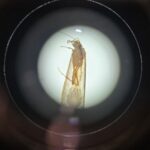 Umpachene Falls Caddisfly
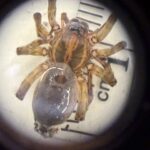 Wolf Spider