Sample information |
|
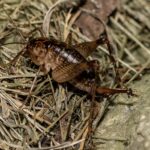
| Picture |
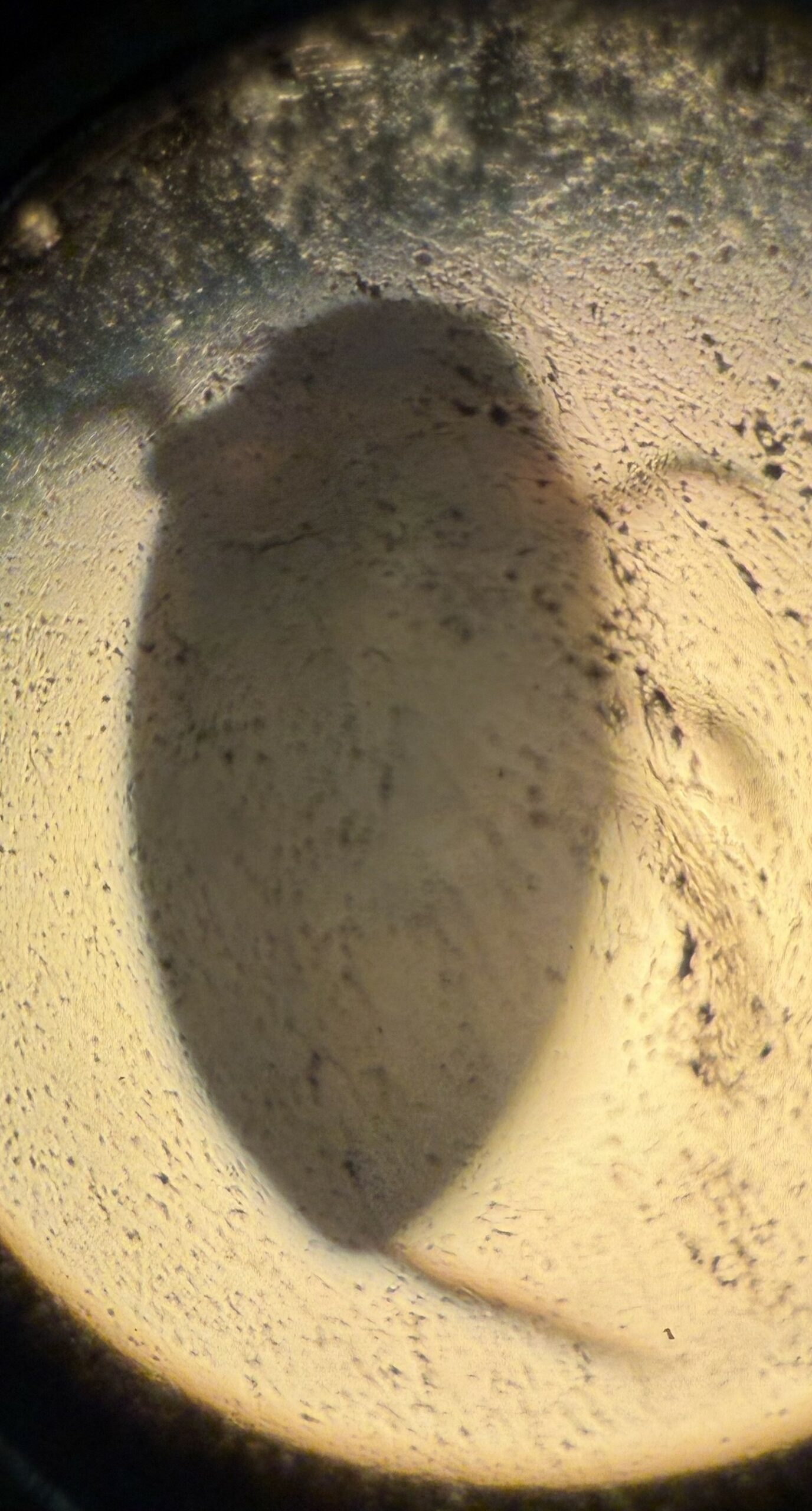
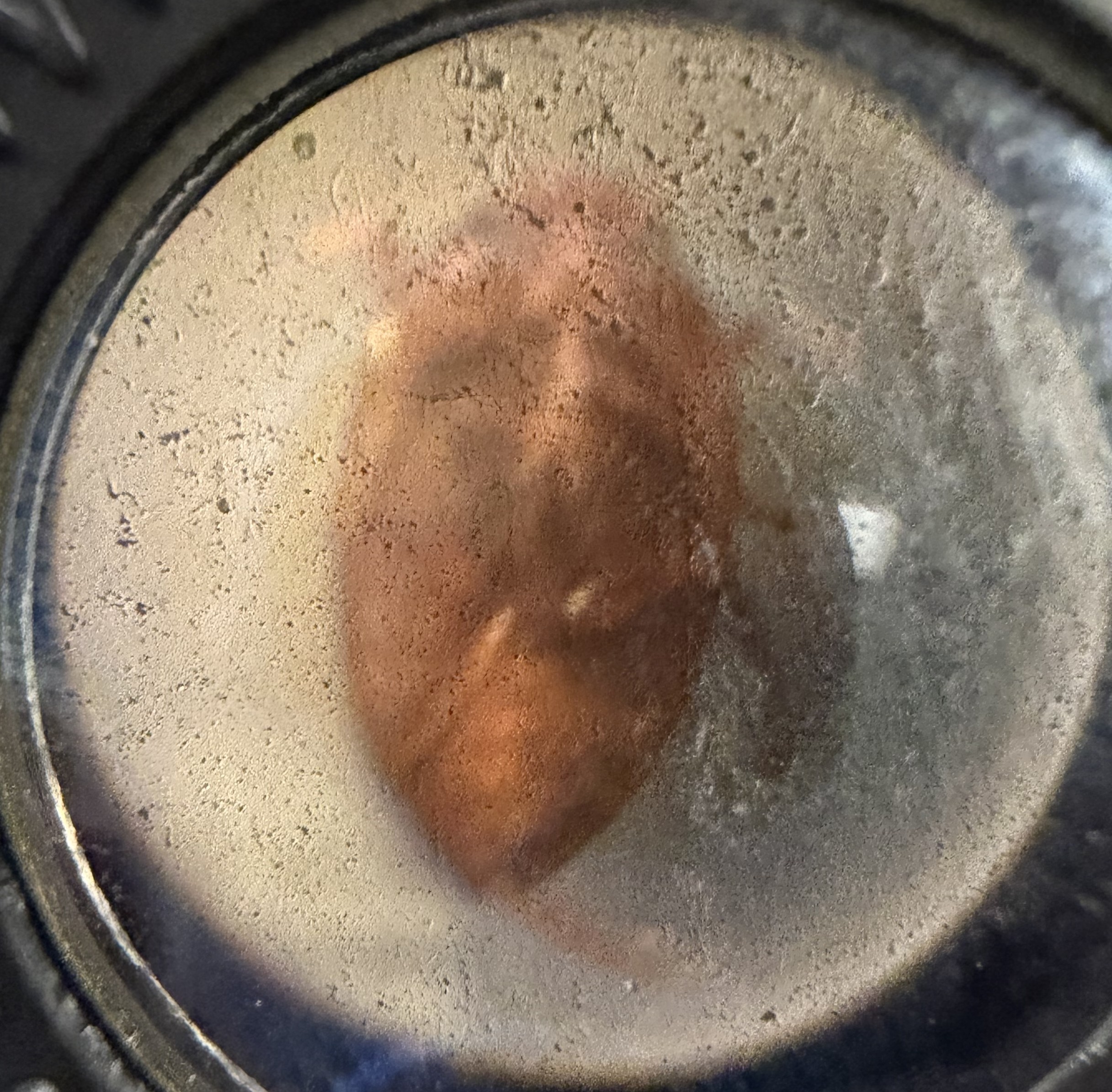
|
|---|---|
| Location | Approximate location: 33.99, -84.44 |
| Collection date | 11/07/2025 |
| Captive / Cultivated? | Wild-caught |
| Group | Walton High School |
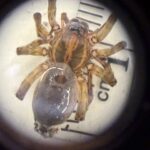
| Observations | The arthropod was small in size, approximately 2-3 millimeters in length. The arthropod was moving with 6-8 legs and was brown in body color. |
| Putative identification | Arthropoda Arachnida Ixodida Ixodidae Dermacentor Dermacentor variabilis |
Methods |
|
| Extraction kit | DNeasy (Qiagen) blood and tissue kit |
| DNA extraction location | Whole arthropod |
| Single or Duplex PCR | Single Reaction |
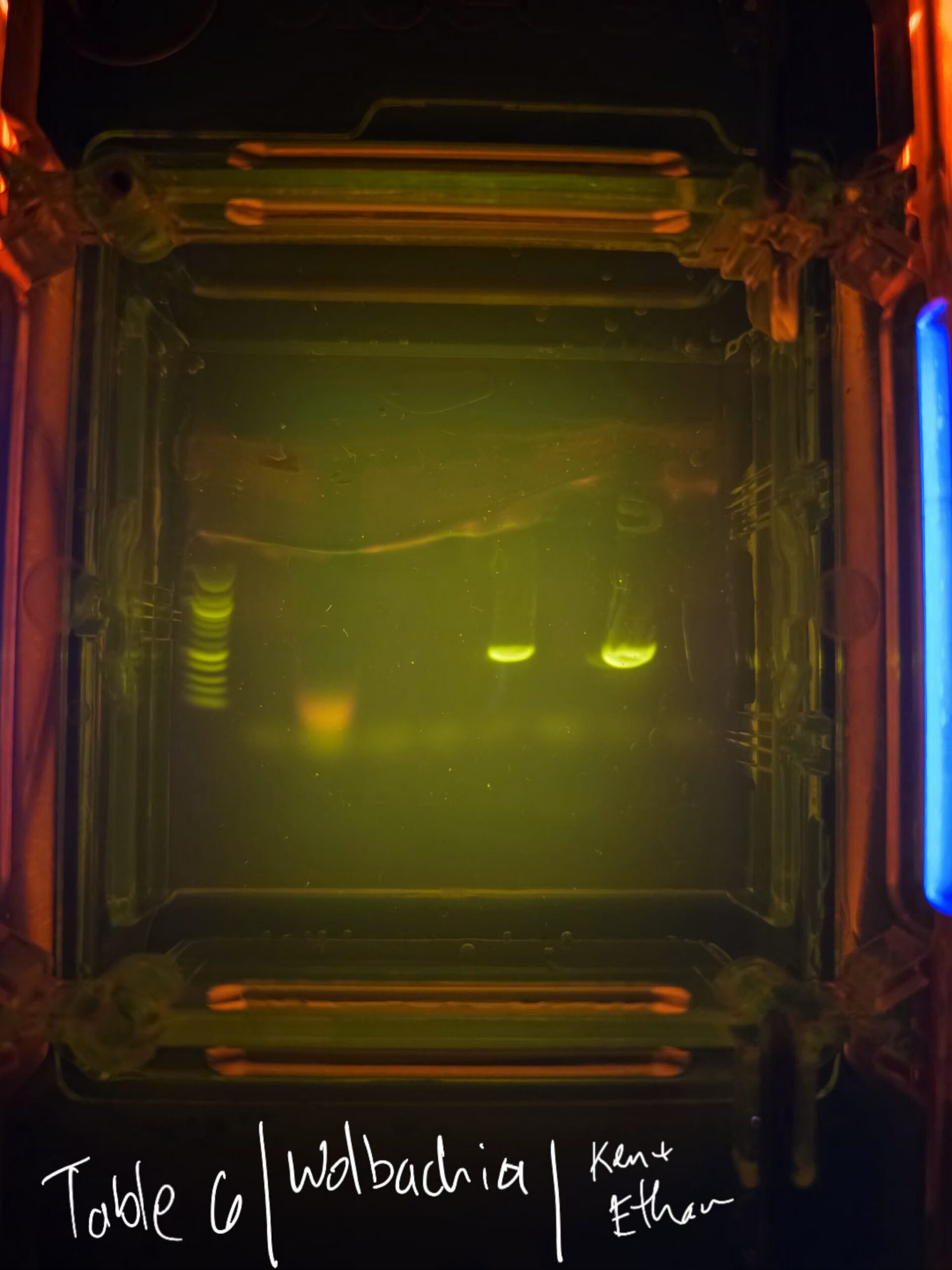
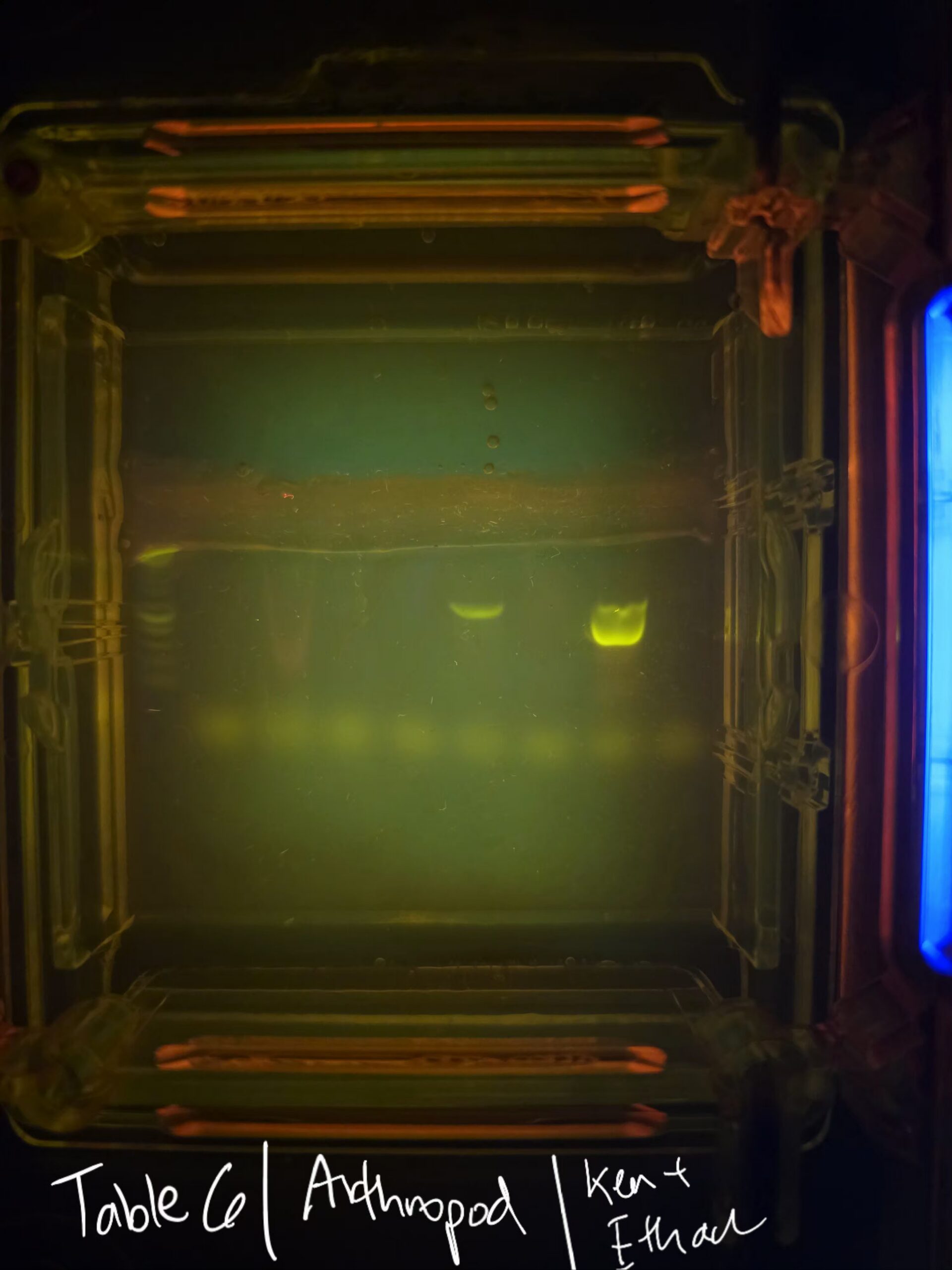
| Gel electrophoresis system | MiniPCR |
| Buffer | 1X TAE |
| DNA stain | GelGreen |
| Gel images |
|
| Protocol notes | Involved grinding the arthropods to ensure a high DNA yield |
Results |
|
| Wolbachia presence | No |
| Confidence level | Low |
| Explanation of confidence level | We ran gel electrophoresis to confirm or deny the presence of Wolbachia in this arthropod. Our gel did not show a band representing the presence of Wolbachia in relation to our Wolbachia positive control. However, we believe made an error in the DNA extraction portion of our lab and did not grind the arthropods enough to extract ample DNA. Therefore, the absence of a band could either mean there is no Wolbachia present, or there is not enough DNA to travel to the positive end of the gel. No DNA is available to upload because this sample was not sequenced due to low quality. |
| Wolbachia 16S sequence | |
| Arthropod COI sequence |
|
| Summary | The Dermacentor variabilis was found to be negative for Wolbachia. |
 (no title)
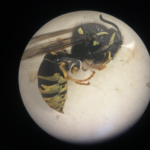 Yellowjacket Wasp
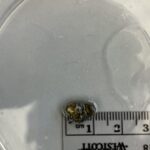 Pillbug
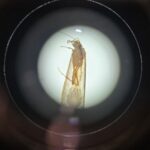 Umpachene Falls Caddisfly
 Wolf Spider