Sample information |
|
| Picture |


|
|---|---|
| Location | Approximate location: 33.99, -84.44 |
| Collection date | 11/13/2025 |
| Captive / Cultivated? | Captive / Cultivated |
| Group | Walton High School |
| Observations | Since this arthropod is a cultured mealworm, it was found in a box that had oats and other nutritious substances/material. The mealworm was also found among many other mealworms and super worms. The arthropod moves very slowly with the front end of the arthropod moving followed by the behind. The arthropod moves on its 6 very small appendages at the front of the body. When in the collection container and agitated the arthropod thrashes around slowly. The arthropod has a very uniform shape with a tannish, beige coloration. There are 6 small appendages on the posterior first 1/4 length of the body. The front of the arthropod has a brownish color that is flat in shape. The arthropod also has multiple scale like partitionings on the anterior side of the body. |
| Putative identification | Arthropoda Insecta Coleoptera Tenebrionidae Tenebrio Tenebrio molitor |
Methods |
|
| Extraction kit | DNeasy (Qiagen) blood and tissue kit |
| DNA extraction location | Abdomen |
| Single or Duplex PCR | Single Reaction |
| Gel electrophoresis system | MiniPCR |
| Buffer | 1X TAE |
| DNA stain | GelGreen |
| Gel images |
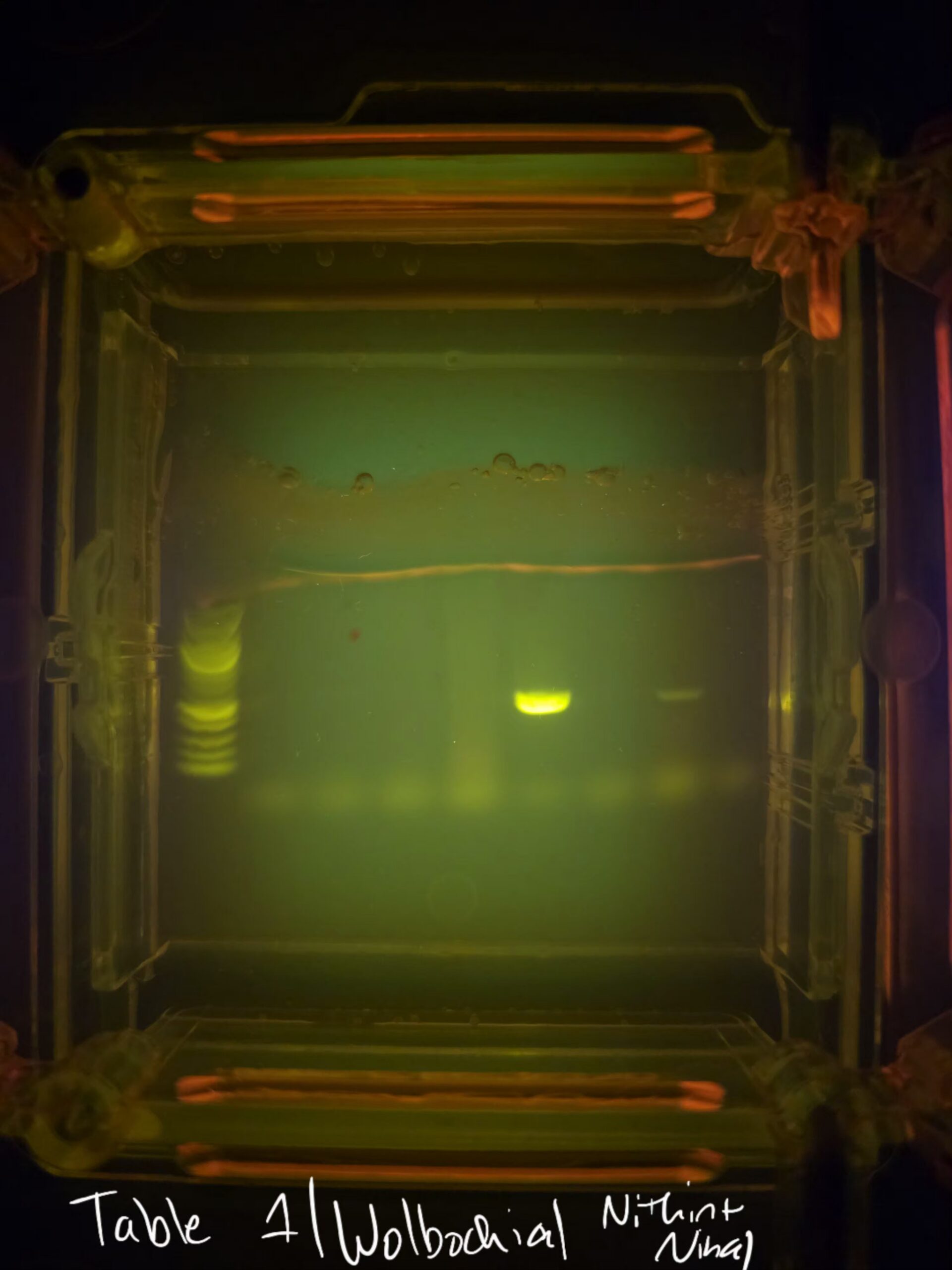
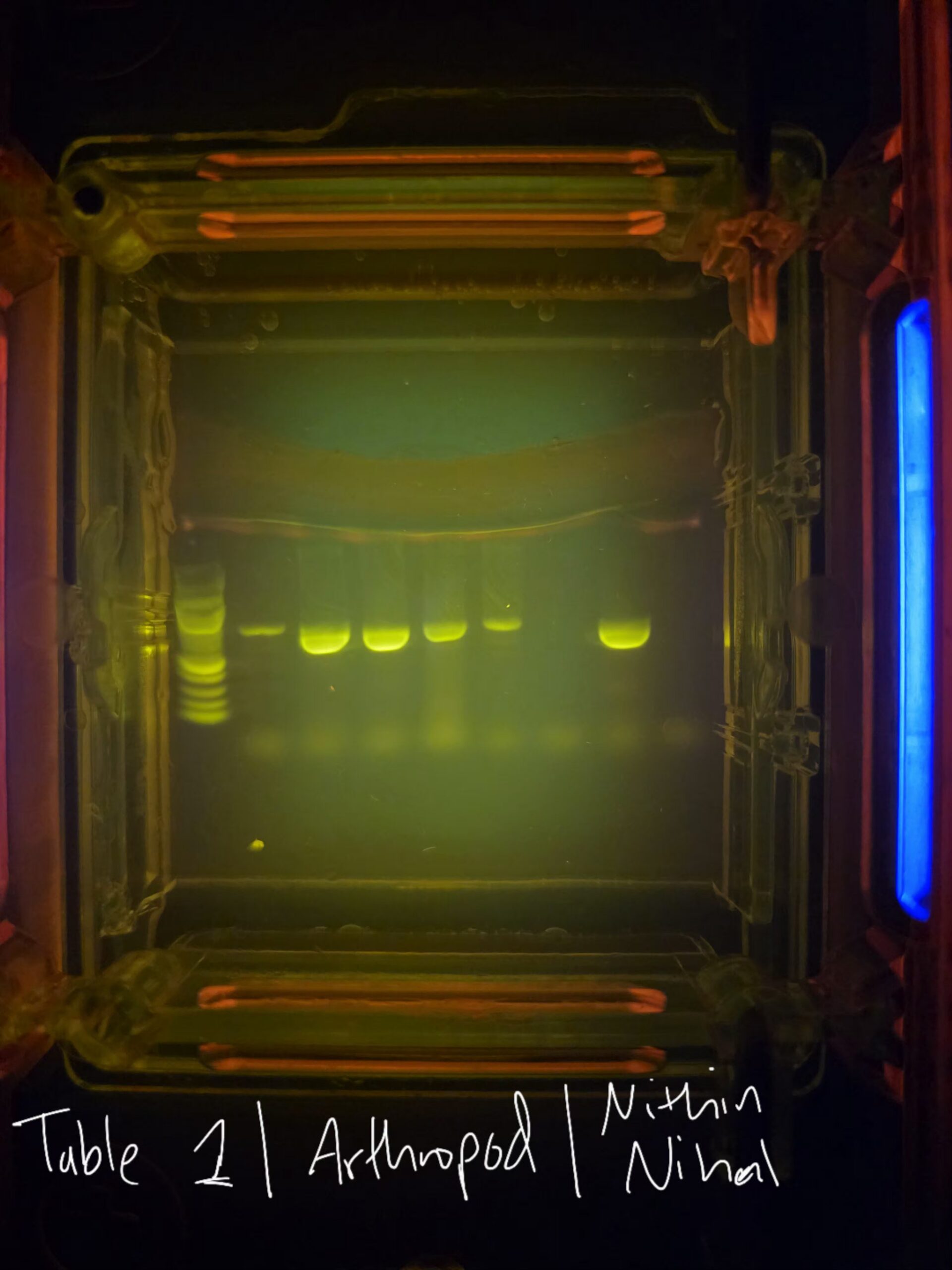
|
| Protocol notes | Remove the abdomen from the mealworm which is the last 3/4 of the mealworm. Place the abdomen in the microcentrifuge tube, add in the buffer and grind vigorously with the pestle until the body is in the solution. Add in the other buffers step by step to perform the purification. When DNA is purified after being poured into column, elute the column. |
Results |
|
| Wolbachia presence | No |
| Confidence level | High |
| Explanation of confidence level | We were very confident in our results because for the Arthropod gel our controls for the PCR positive and control positive showed bands meaning the PCR and purification worked. For the Wolbachia gel, our only bands that appeared were the PCR positive and control positive meaning that both the extraction/purification and PCR worked. Since the PCR and extraction worked and we did not see bands in our samples then we are confident none of our samples have the Wolbachia DNA in them. |
| Wolbachia 16S sequence | Download FASTA
|
| Arthropod COI sequence | Download FASTA
Download AB1
TGNAGCGTGATCCGGAATAGTCGGAACCTCCCTAAGACTATTAATCCGTGCAGAATTAGGAAACCCCGGCTCTTTAATTGGGGACGACCAAATCTACAACGTAATTGTTACAGCACATGCTTTTATCATAATTTTTTTCATAGTAATACCAATCATAATTGGAGGATTCGGAAATTGATTGGTACCTCTAATACTAGGCGCTCCTGACATAGCATTCCCACGAATAAACAACATAAGATTCTGATTGCTACCCCCTTCACTAAGACTATTATTAATAAGAAGAATTGTAGAAAACGGGGCGGGAACCGGTTGAACAGTTTATCCGCCCTTATCCTCTAATATCGCCCACGGGGGAGCATCTGTCGATTTAGCAATTTTCAGGCTACATCTAGCAGGGATTTCATCAATCCTGGGGGCCGTAAATTTTATTACAACAGTAATCAACATACGACCACAGGGCATAACGTTCGATCGAATACCGTTATTCGTGTGAGCAGTAGTAATTACCGCAGTACTATTATTATTATCCTTGCCAGTATTAGCAGGAGCCATTACCATATTACTTACAGATCGAAACATTAATACATCCTTCTTTGACCCAGCTGGGGGAGGAGACCCAATCTTATACCAACACCTATTCTGATTTTTTGGTCAC
BLAST at The Wolbachia Project BLAST at NCBI
|
| Summary | The Tenebrio molitor was found to be negative for Wolbachia. |
 (no title)
 Yellowjacket Wasp
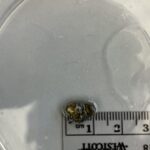 Pillbug
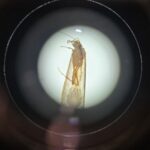 Umpachene Falls Caddisfly
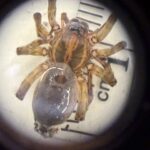 Wolf Spider