Sample information |
|||
| Picture |
|
||
|---|---|---|---|
| Location | Approximate location: 41.78, -88.10 |
||
| Collection date | |||
| Captive / Cultivated? | Wild-caught | ||
| Group | Benedictine University | ||
| Observations |
|
||
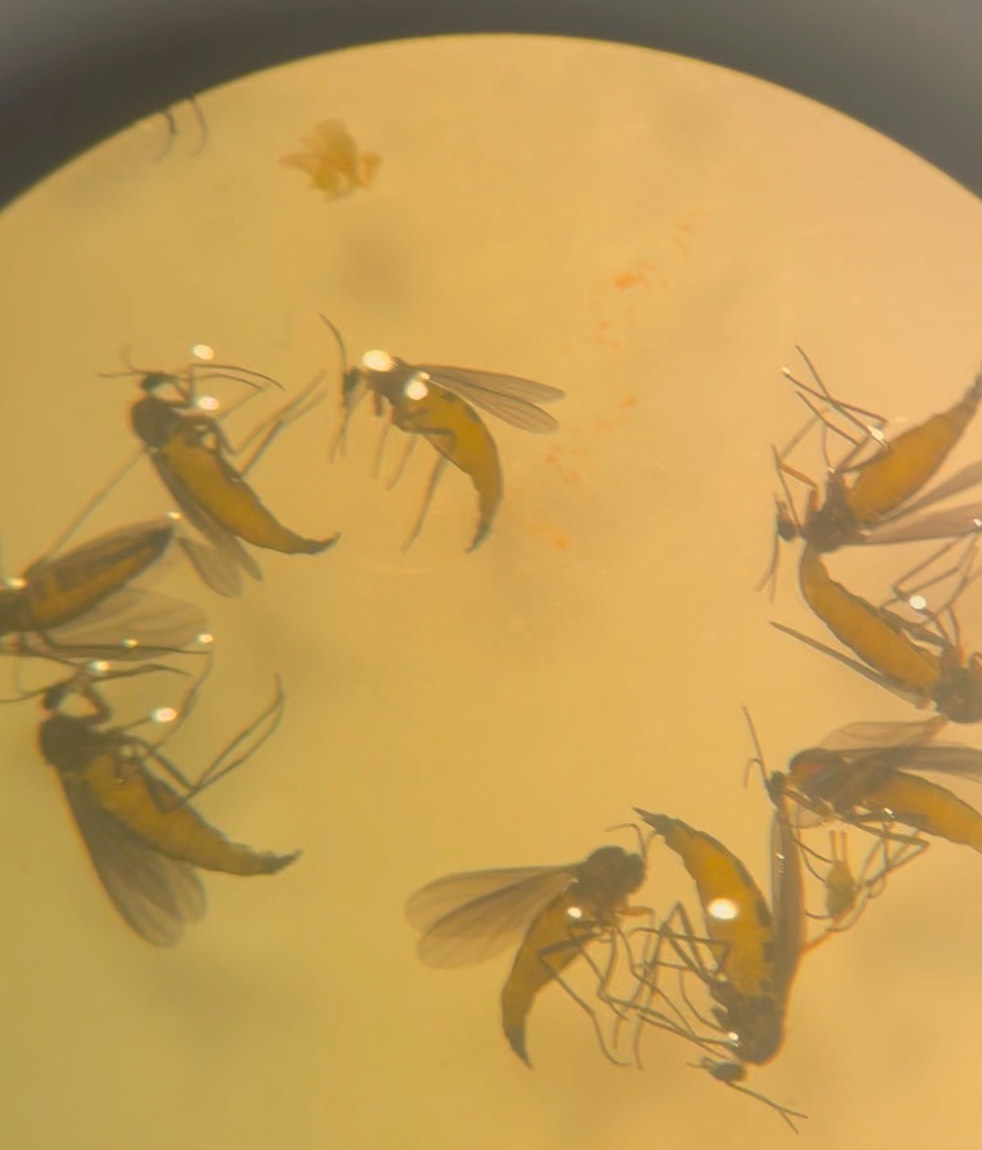
| Putative identification | Arthropoda Insecta Diptera | ||
Methods |
|||
| Extraction kit | Blood and Tissue kit | ||
| DNA extraction location | Whole arthropod | ||
| Single or Duplex PCR | Single Reaction | ||
| Gel electrophoresis system | Standard electrophoresis system | ||
| Buffer | TAE | ||
| DNA stain | SYBR Safe | ||
| Gel images |
|
||
| Protocol notes | |||
Results |
|||
| Wolbachia presence | No | ||
| Confidence level | Low | ||
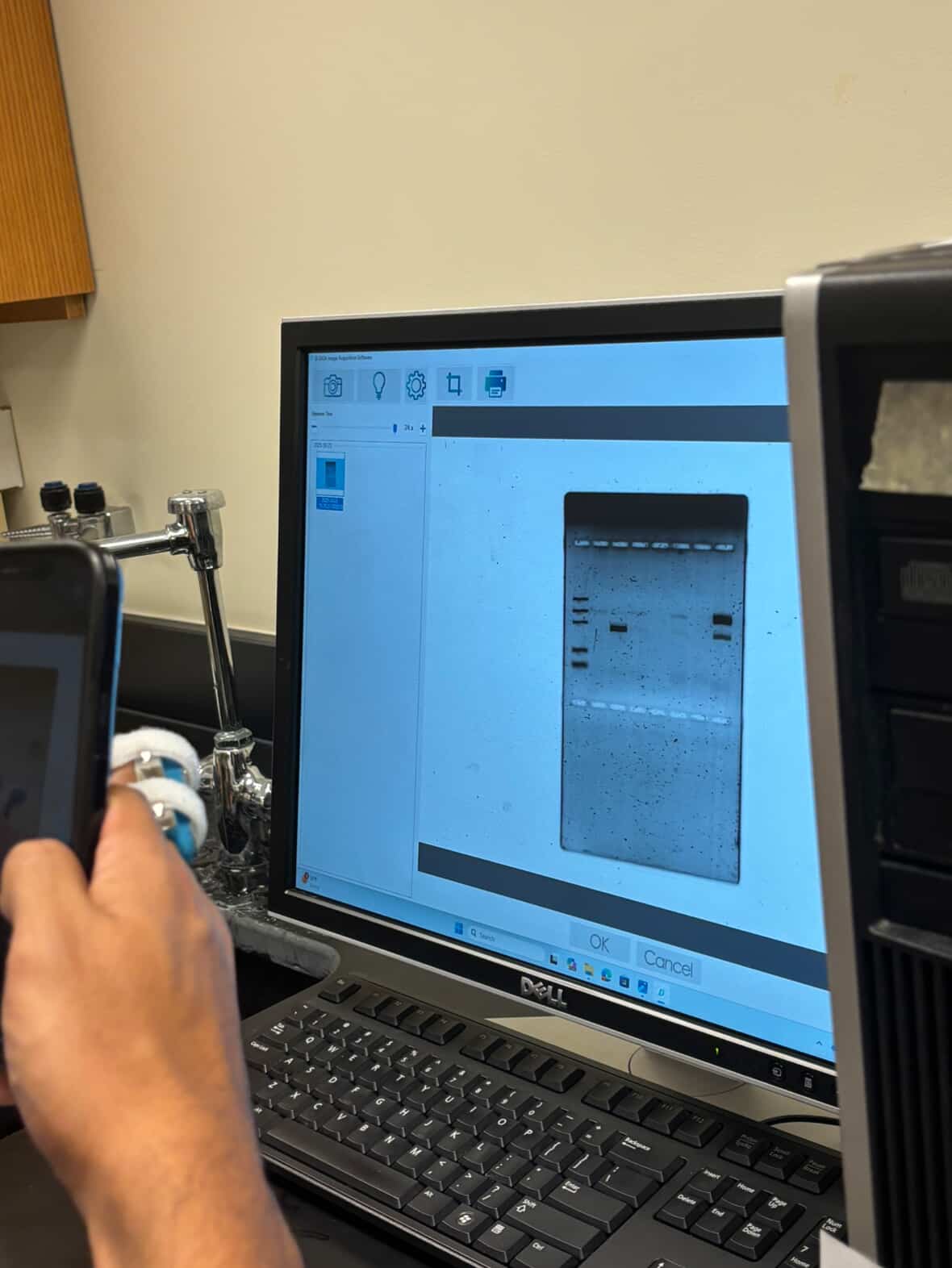
| Explanation of confidence level | The BLAST results produced a relatively low match, which provides limited support for identification and leaves considerable uncertainty. The controls behaved as expected, confirming that the PCR reagents and conditions were functioning properly. The positive fruit fly control generated a clear Wolbachia band at the correct size, validating the assay. The negative control showed no bands, ruling out contamination. In contrast, the arthropod sample displayed only a faint COI band, indicating that DNA extraction and amplification were weak and that very little insect DNA was present. No Wolbachia band was detected in the sample. Overall, the confidence level is best described as low due to the weak COI signal and poor BLAST alignment. |
||
| Wolbachia 16S sequence | |
||
| Arthropod COI sequence |
|
||
| Summary | The Diptera was found to be negative for Wolbachia. | ||
 (no title)
 Yellowjacket Wasp
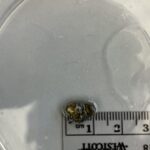 Pillbug
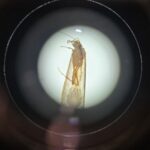 Umpachene Falls Caddisfly
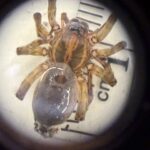 Wolf Spider