Sample information |
|
| Picture |
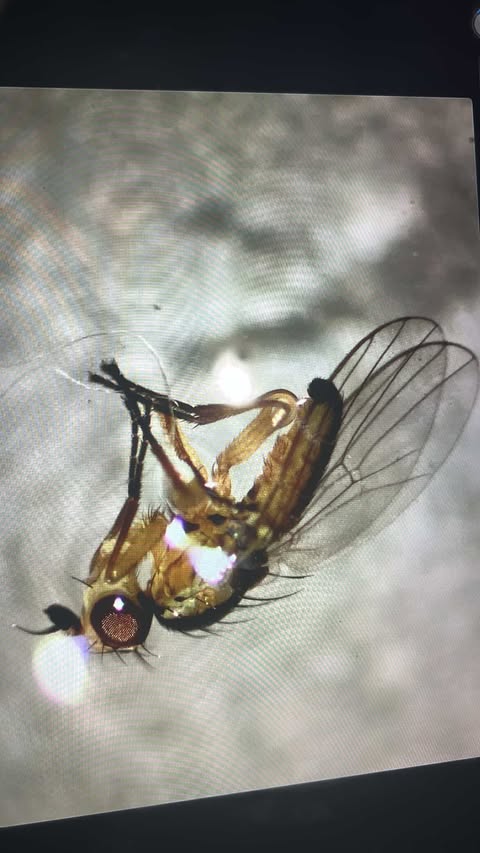
|
|---|---|
| Location | Approximate location: 41.78, -88.10 |
| Collection date | 09/10/2025 |
| Captive / Cultivated? | Wild-caught |
| Group | Benedictine University |
| Observations |
|
| Putative identification | Arthropoda |
Methods |
|
| Extraction kit | DNeasy (Qiagen) blood + tissue kit with modification P2 for ATL + N3 for AL |
| DNA extraction location | Whole arthropod |
| Single or Duplex PCR | Duplex Reaction |
| Gel electrophoresis system | Standard electrophoresis system |
| Buffer | 1X TAE |
| DNA stain | Ethidium Bromide |
| Gel images |
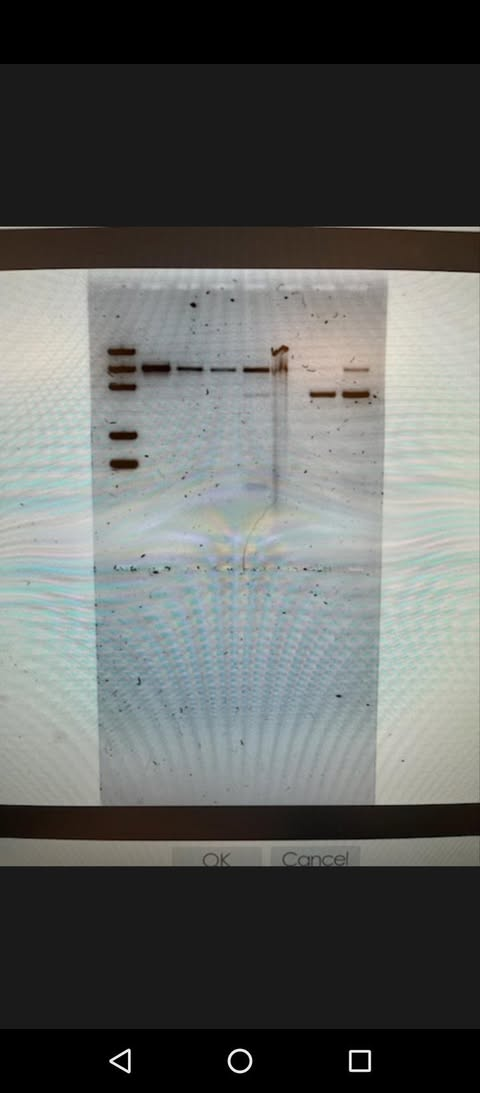
|
| Protocol notes | The DNA was successfully extracted from the Whole arthropod specimen (identified as Cerodontha dorsalis ) using a Qiagen DNeasy Blood and Tissue Kit with modifications. PCR was performed as a Duplex Reaction to simultaneously amplify the COI gene (~700 bp) for species identification, and the Wolbachia gene (~438 bp) for infection status. The products were visualized via Gel Electrophoresis using a 1% Agarose Gel and 1X TAE buffer. Results confirmed the successful amplification of the COI gene (clear ~700 bp band) but showed no 438 bp band , indicating the specimen is Wolbachia-negative |
Results |
|
| Wolbachia presence | No |
| Confidence level | High |
| Explanation of confidence level | High Confidence. We can trust these results because several controls functioned properly.1. Successful DNA Extraction & PCR: The COI gene was successfully amplified (clear band at ~700 bp) for the specimen. The COI gene serves as an internal positive control, confirming that the DNA extraction worked and the PCR mixture was functional. 2. High-Quality Sequencing: The sequencing process yielded high-quality base calls (Phred scores) , resulting in a 100.00% percent identity match via BLAST for the species ID. 3. Clear Negative Result: The expected band for Wolbachia infection was clearly absent 6, allowing for a definitive conclusion: the specimen is Wolbachia-negative |
| Wolbachia 16S sequence | |
| Arthropod COI sequence | Download FASTA
ATGTGCAATAATAGATGATAAAGGTGGATAAACTGTTCATCCTGTACCAGCTCCATTTTCAACTATTCTACTTATAAGCAATAATGTTAATGAAGGAGGTAAAAGTCAAAAACTTATATTATTCATTCGAGGAAAAGCTATATCTGGTGCACCTAATATTAAAGGTACTAGTCAGTTACCAAAGCCACCAATTATAATAGGTATAACTATGAAAAAAATTATAATAAAAGCATGAGCAGTAACAATTACATTATAAATTTGATCATCACCAATTAAGGCTCCTGGATGTCCTAAT
BLAST at The Wolbachia Project BLAST at NCBI
|
| Summary | The Arthropoda was found to be negative for Wolbachia. |
 (no title)
 Yellowjacket Wasp
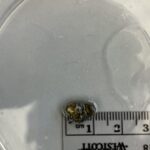 Pillbug
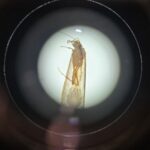 Umpachene Falls Caddisfly
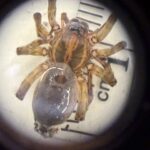 Wolf Spider