Sample information |
|
| Picture |
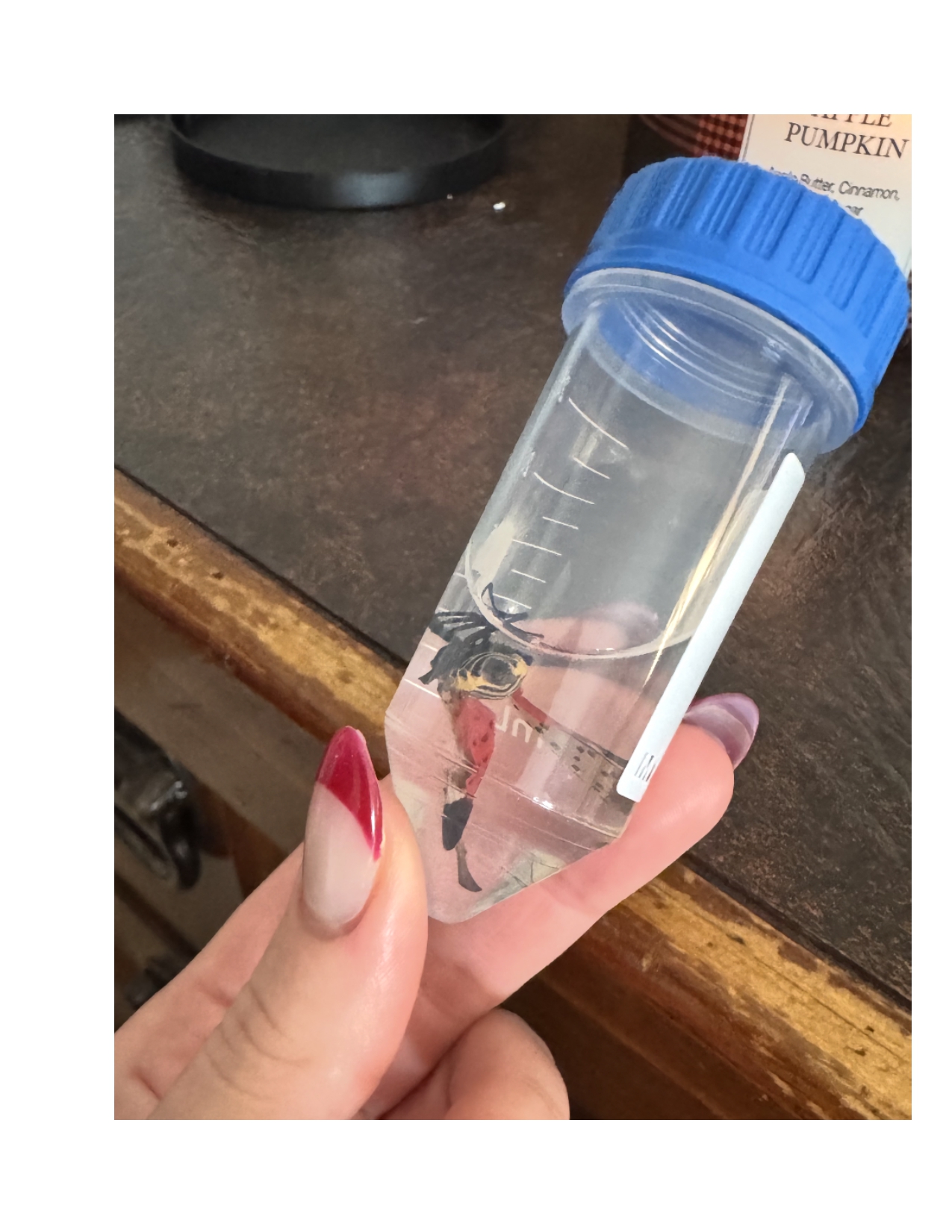
|
|---|---|
| Location | Approximate location: 40.81, -77.86 |
| Collection date | 10/04/2025 |
| Captive / Cultivated? | Wild-caught |
| Group | Penn State University |
| Observations | I found this spotted lanternfly in a tailgate lot off of Penn State’s Main Campus. I collected it in the late morning, around 11, and it was overcast and about 72 degrees F outside. I couldn’t get a picture of it because it was trying to fly away. There were many spotted lanternflies, but I only collected one. |
| Putative identification | Arthropoda Insecta Blattodea Rhinotermitidae Reticulitermes Reticulitermes flavipes |
Methods |
|
| Extraction kit | QIAGEN DNeasy kit |
| DNA extraction location | Abdomen |
| Single or Duplex PCR | Single Reaction |
| Gel electrophoresis system | MiniPCR |
| Buffer | TAE |
| DNA stain | Ethidium Bromide |
| Gel images |
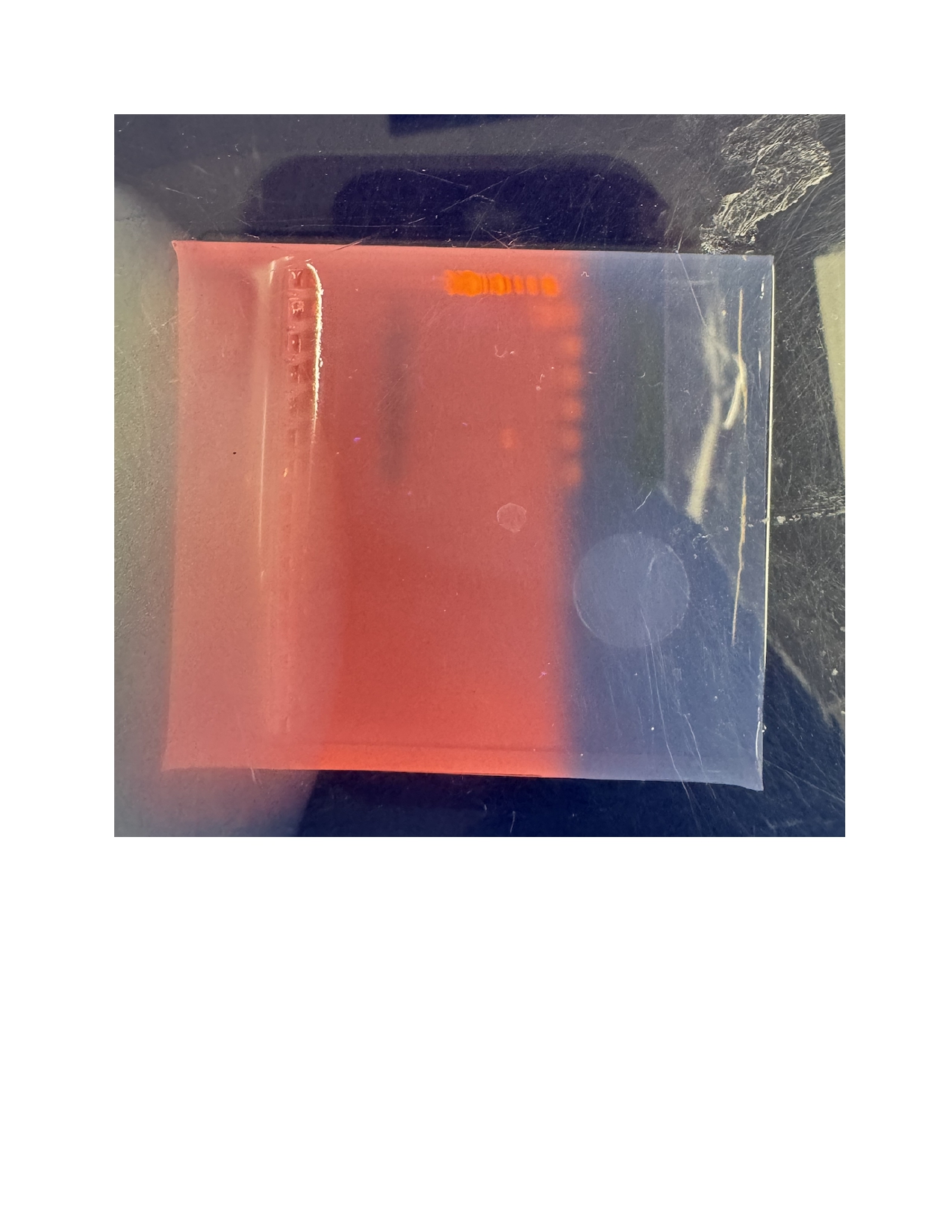
|
| Protocol notes | No unexpected issues occurred during the DNA extraction, PCR setup, or gel electrophoresis. All steps were performed according to the lab protocol, and no errors occurred during the experiment. Pipette tips were changed between samples to avoid contamination, and work surfaces were cleaned before and after use. PCR reactions were prepared in separate areas to reduce the risk of cross-contamination. All controls behaved as expected, indicating that the procedures were carried out correctly and that the results are reliable. Lane 1: DNA Ladder Lane 2: Host COI PCR product from the termite specimen Lane 3: Wolbachia wsp PCR product from the termite specimen Lane 4: Wolbachia-positive control Lane 5: Wolbachia-negative control Lane 6: Water Host COI PCR was used to verify DNA quality and confirm successful extraction, while Wolbachia-specific wsp PCR was used to screen for Wolbachia infection. The presence of a clear COI band and correct control outcomes indicate that the PCR conditions were effective. The absence of a wsp band in the specimen suggests that Wolbachia was not detected under these assay conditions. |
Results |
|
| Wolbachia presence | No |
| Confidence level | High |
| Explanation of confidence level | I am highly confident in these results because all experimental controls worked as expected. The positive Wolbachia control produced a clear band at the expected size, while the negative control and no-template control showed no amplification. The host COI PCR for the specimen amplified successfully, confirming that the DNA extraction and the PCR conditions were effective. Because the controls behaved correctly and the specimen showed no wsp band, I am confident that Wolbachia was not detected in this individual. |
| Wolbachia 16S sequence | |
| Arthropod COI sequence |
|
| Summary | The Reticulitermes flavipes was found to be negative for Wolbachia. |
 (no title)
 Yellowjacket Wasp
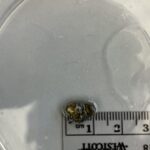 Pillbug
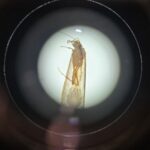 Umpachene Falls Caddisfly
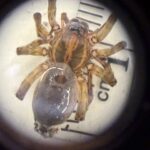 Wolf Spider