Sample information |
|
| Picture |
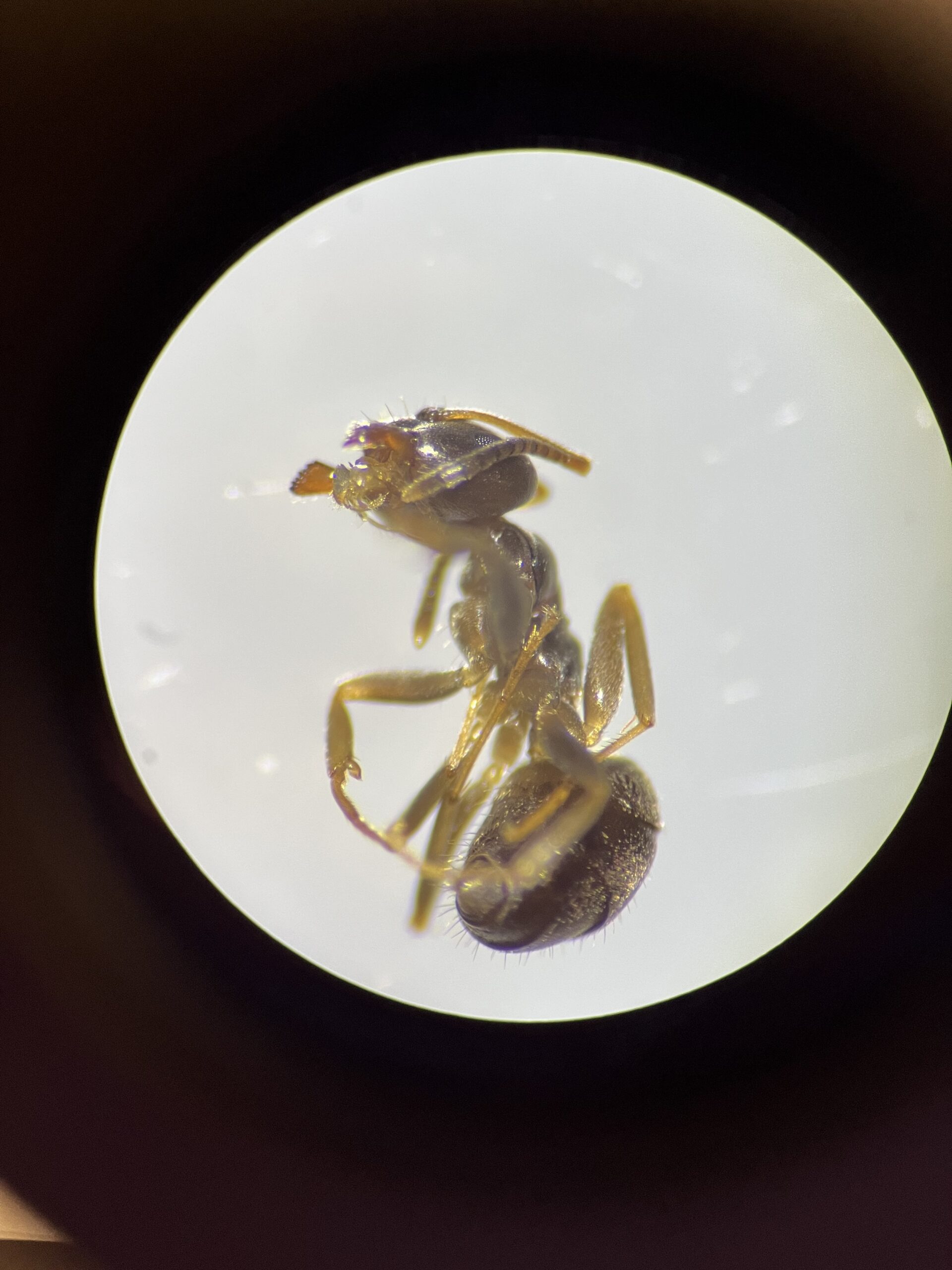
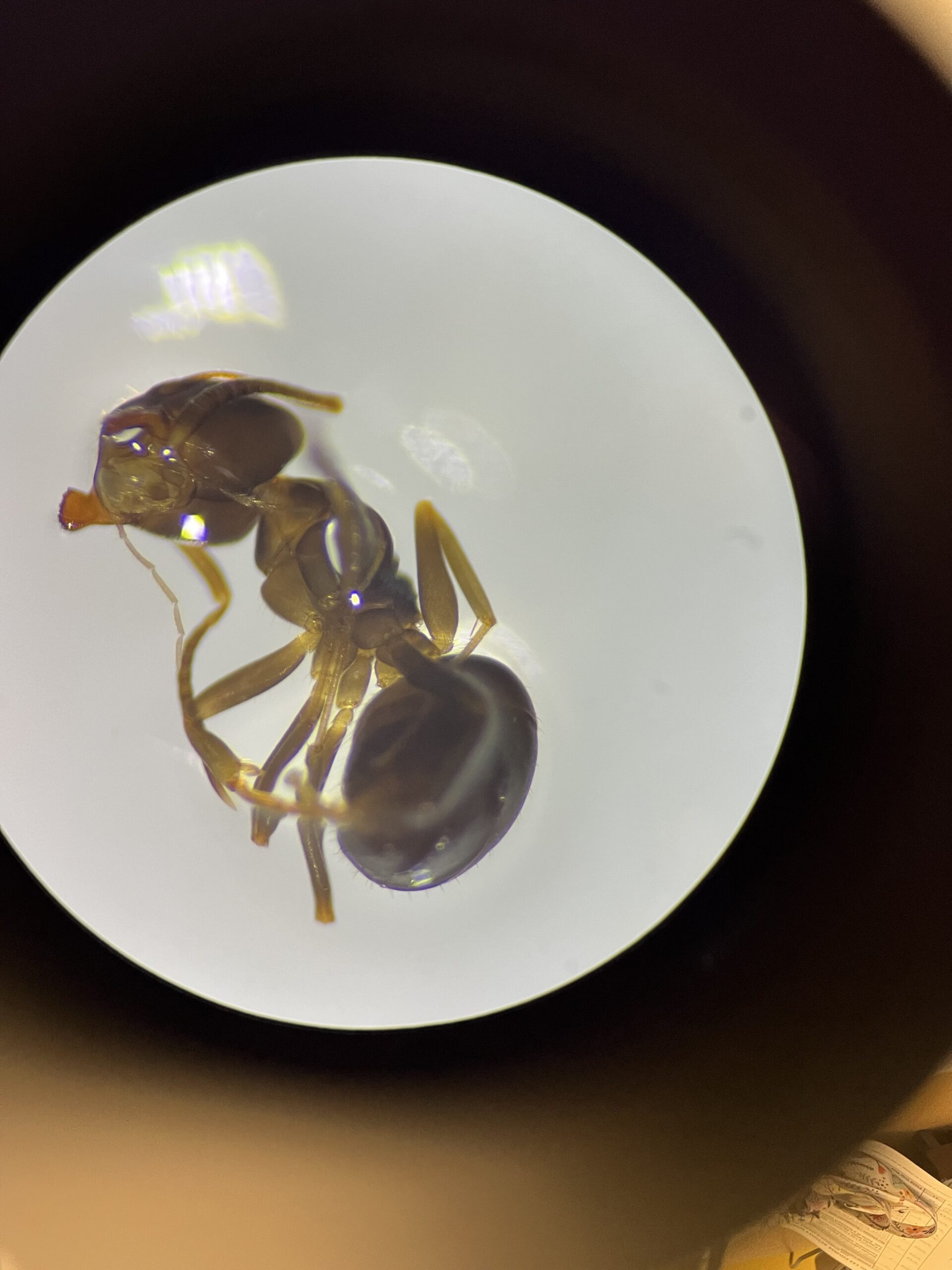
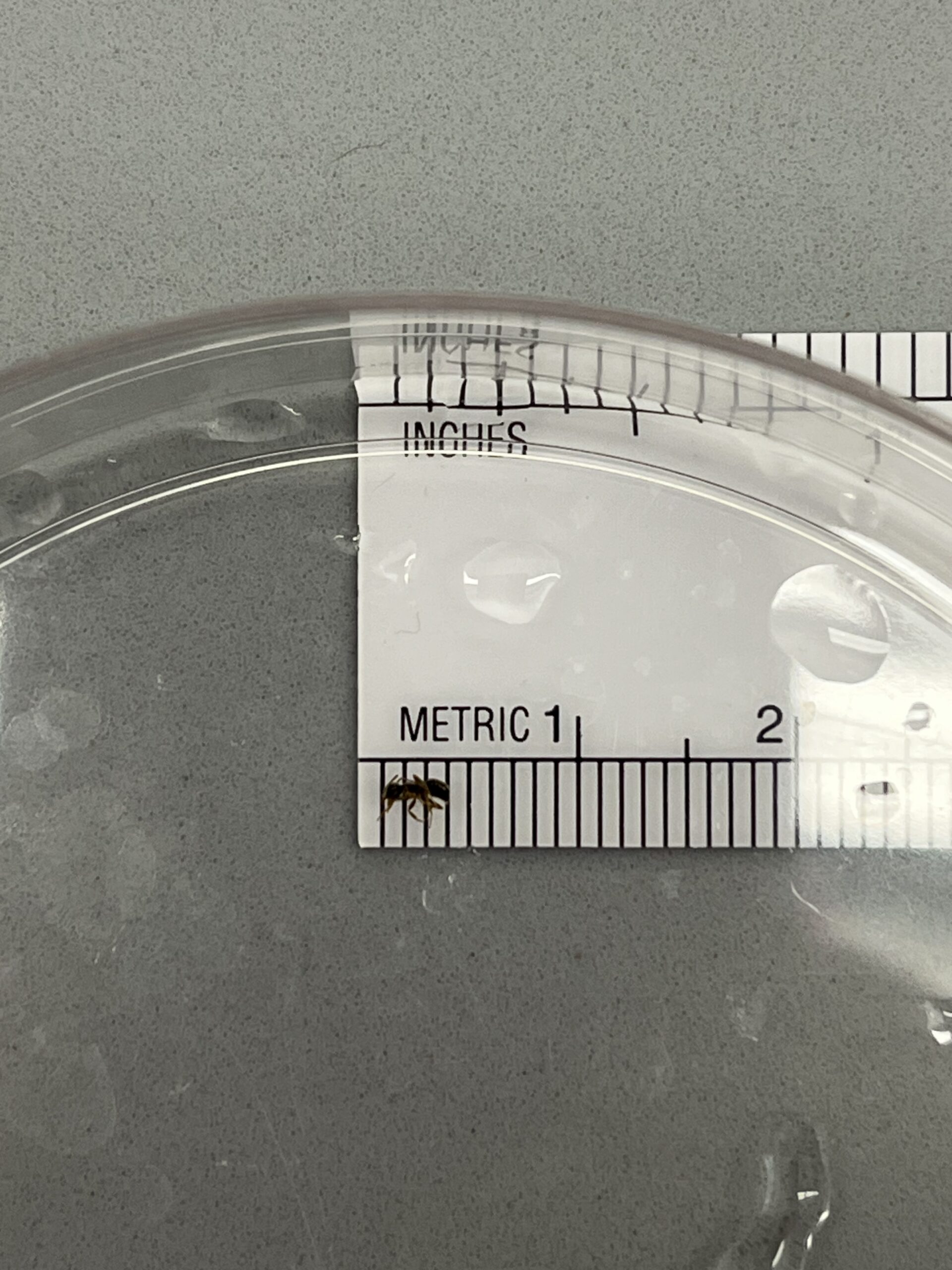
|
|---|---|
| Location | Approximate location: 42.46, -73.32 |
| Collection date | 02/02/2026 |
| Captive / Cultivated? | Wild-caught |
| Group | Berkshire Community College |
| Observations | Arthropod was observed with others, indoors on the base of a fish tank. They appeared black, were small and moving quickly. They were not carrying anything. The area was warm, moist and plants were present. |
| Putative identification | Arthropoda Insecta Hymenoptera Formicidae Brachymyrmex Brachymyrmex patagonicus |
Methods |
|
| Extraction kit | Monarch DNA extraction (NEB) |
| DNA extraction location | Whole arthropod |
| Single or Duplex PCR | Duplex Reaction |
| Gel electrophoresis system | Edvotek Gel Electrophoresis |
| Buffer | 1X TAE |
| DNA stain | SYBR Safe |
| Gel images |
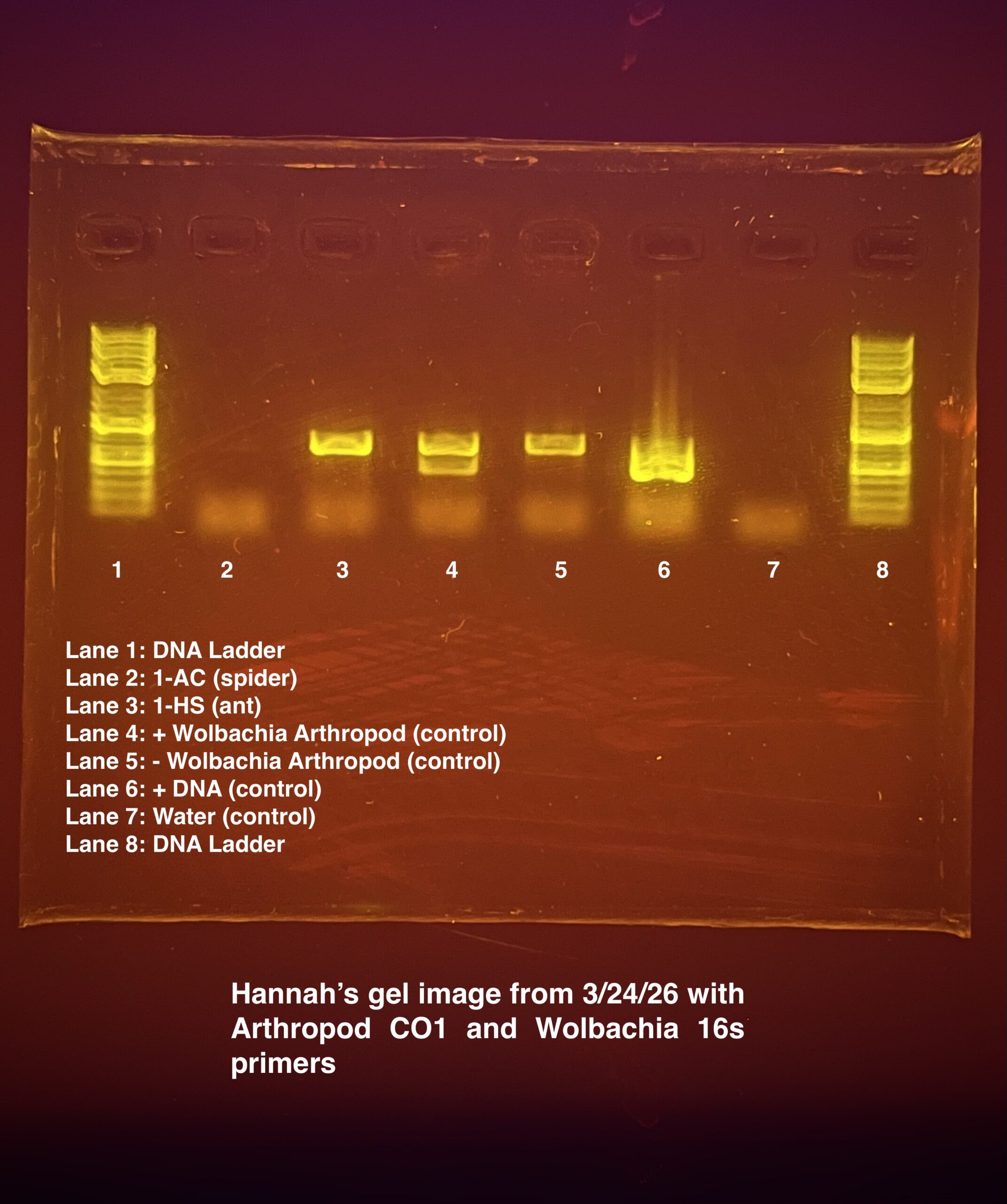
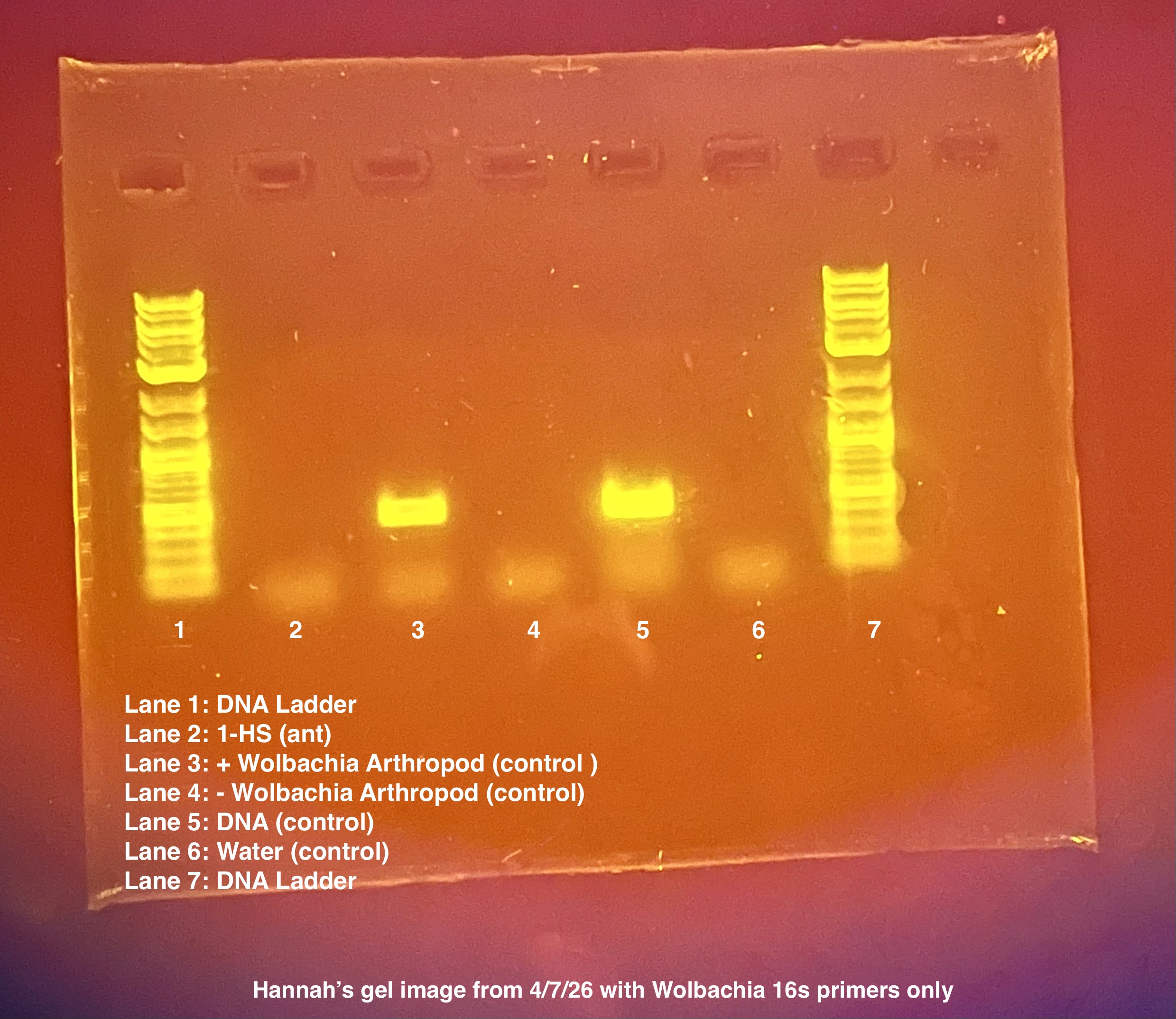
|
| Protocol notes | We used a DNA extraction protocol based on the insect adaptation of New England Biolabs’ Monarch Spin gDNA Extraction kit (Product #T3010) The specimen was incubated for 50 minutes in a hot water bath at 56°C. Details that differed from the written protocol were incubating for 50 minutes with three 15 minute intervals between vortexing the tube, the last incubation period was 5 minutes. The collection tube was also reused after centrifuging, discarding the liquid filtered from the spin column, instead of using a new collection tube. Our first PCR reaction was set up on 3/10/26 and was a duplex reaction because we used both the Arthropod CO1 and Wolbachia 16S primers together. The annealing temperature was 49°C. The Taq polyermase used was New England Biolabs OneTaq Hot StartQuick-Load 2X Master Mix with Standard Bugger (#M0488S). Our first Gel image was taken on 3/24/26 and was run at 125 volts for 19 minutes and 20 seconds. The DNA Ladder used was New England Biolabs 1 kb Plus DNA Ladder for Safe Stains (product # N0559S) Our second PCR reaction was set up on 3/31/26, sused the Taq polymerase as the first PCR reaction, and was a single duplex reaction that used Wolbachia_F/Wolbochaia_R (16s_WspecfF/16s_WspecfR) primers. The annealing temperature was 55°C. Our second Gel image was taken on 4/7/2026 and was run at 125 volts for 30 minutes. The results for 1-HS were negative for Wolbachia and the confidence level of the results are high. |
Results |
|
| Wolbachia presence | No |
| Confidence level | High |
| Explanation of confidence level | The gel electrophoresis result was negative for Wolbachia for 1-HS. The confidence level of the negative result is high. In lane 3, the gel electrophoresis results show a dark band signifying the DNA of the arthropod 1-HS. The amount of DNA amplified from 1-HS seems adequate based on the darkness of the band. All controls worked properly and as expected indicating an accurate result. In their respective lanes, the positive Wolbachia arthropod control showed DNA for both the arthropod and Wolbachia, the negative Wolbachia arthropod control showed DNA for the arthropod alone, the positive DNA control indicated the presence of DNA and negative water control showed nothing. Our second gel electrophoresis results indicated 1-HS is negative for Wolbachia. The confidence level is high as the controls worked as they should have and validate the results. Lane 2 is 1-HS showing no banding, lane 3 is + Arthropod and has a strong band, lane 4 is – Arthropod and is blank, lane 5 is + DNA control with a band indicating and lane 6 is water and is blank. |
| Wolbachia 16S sequence | |
| Arthropod COI sequence |
|
| Summary | The Brachymyrmex patagonicus was found to be negative for Wolbachia. |
 (no title)
 Yellowjacket Wasp
 Pillbug
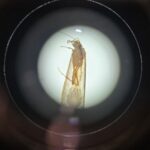 Umpachene Falls Caddisfly
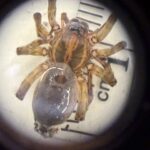 Wolf Spider