Sample information |
|
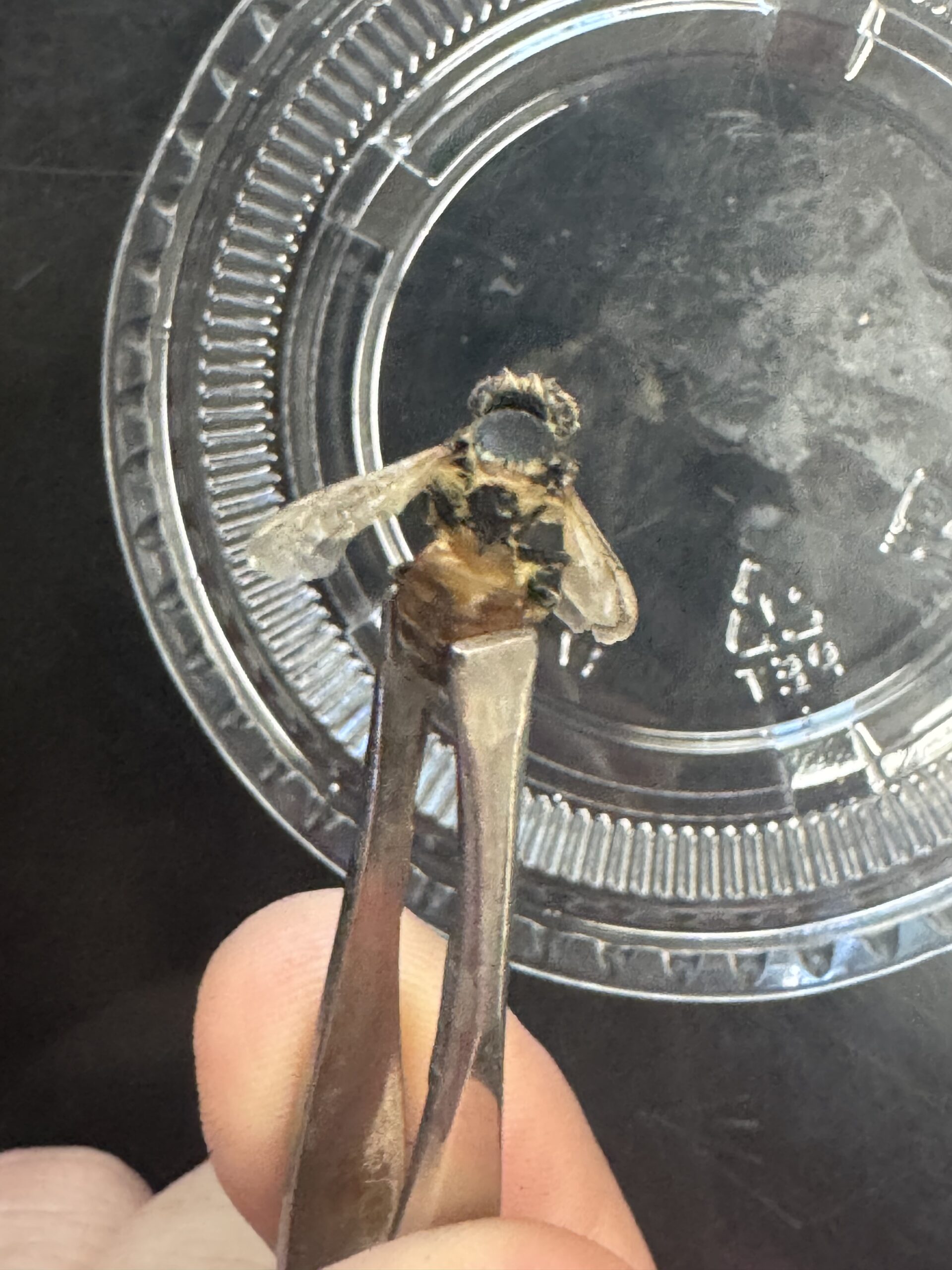
| Picture |
|
|---|---|
| Location | Approximate location: 36.14, -120.36 |
| Collection date | 12/12/2025 |
| Captive / Cultivated? | Wild-caught |
| Group | Coalinga High School |
| Observations | We noticed that our bee has lost its typical yellow color and is now more darker with a brownish tone. |
| Putative identification | Arthropoda Insecta Hymenoptera |
Methods |
|
| Extraction kit | DNeasy (Qiagen) |
| DNA extraction location | Abdomen |
| Single or Duplex PCR | Single Reaction |
| Gel electrophoresis system | MiniOne |
| Buffer | TBE |
| DNA stain | GelGreen |
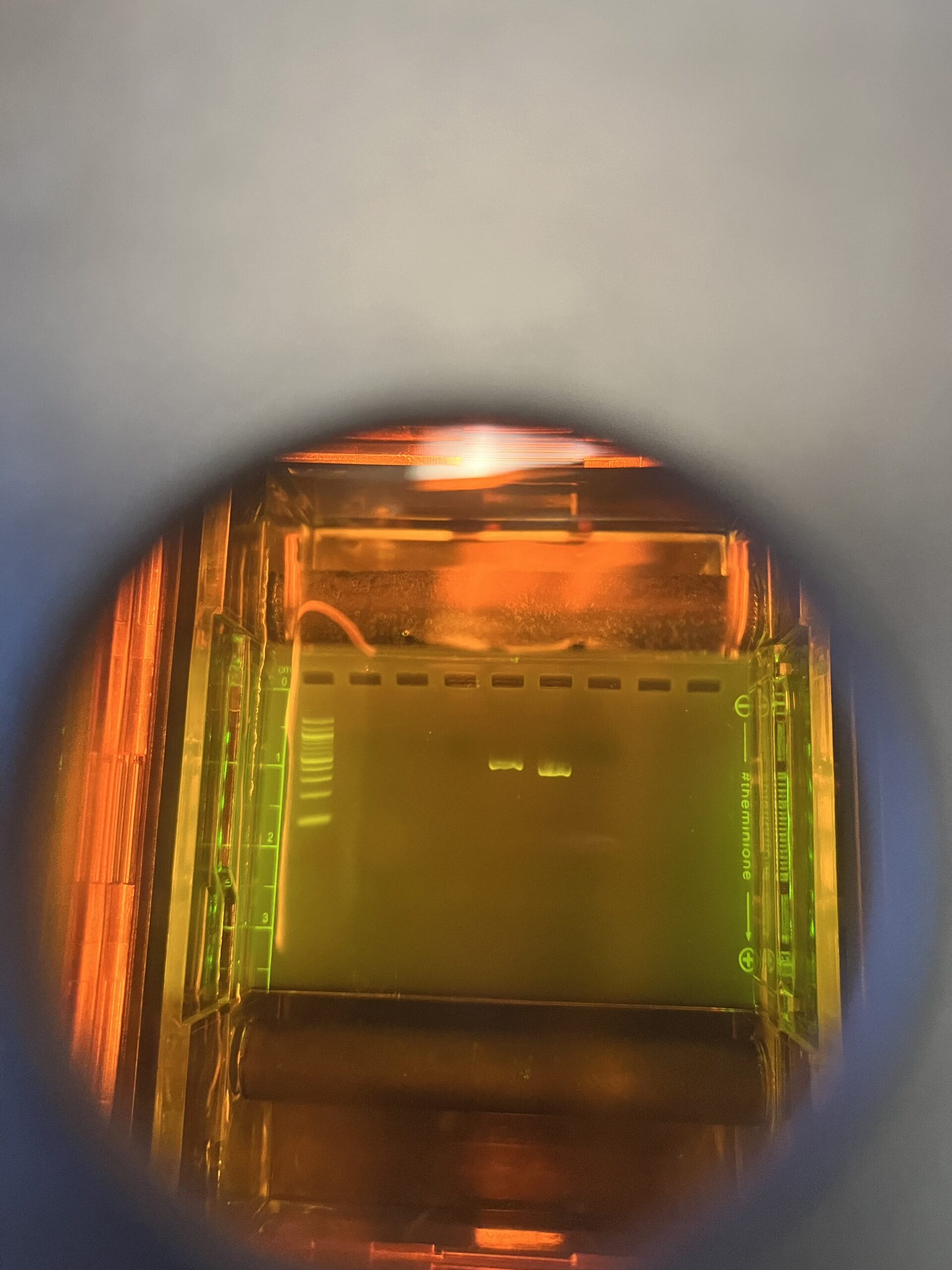
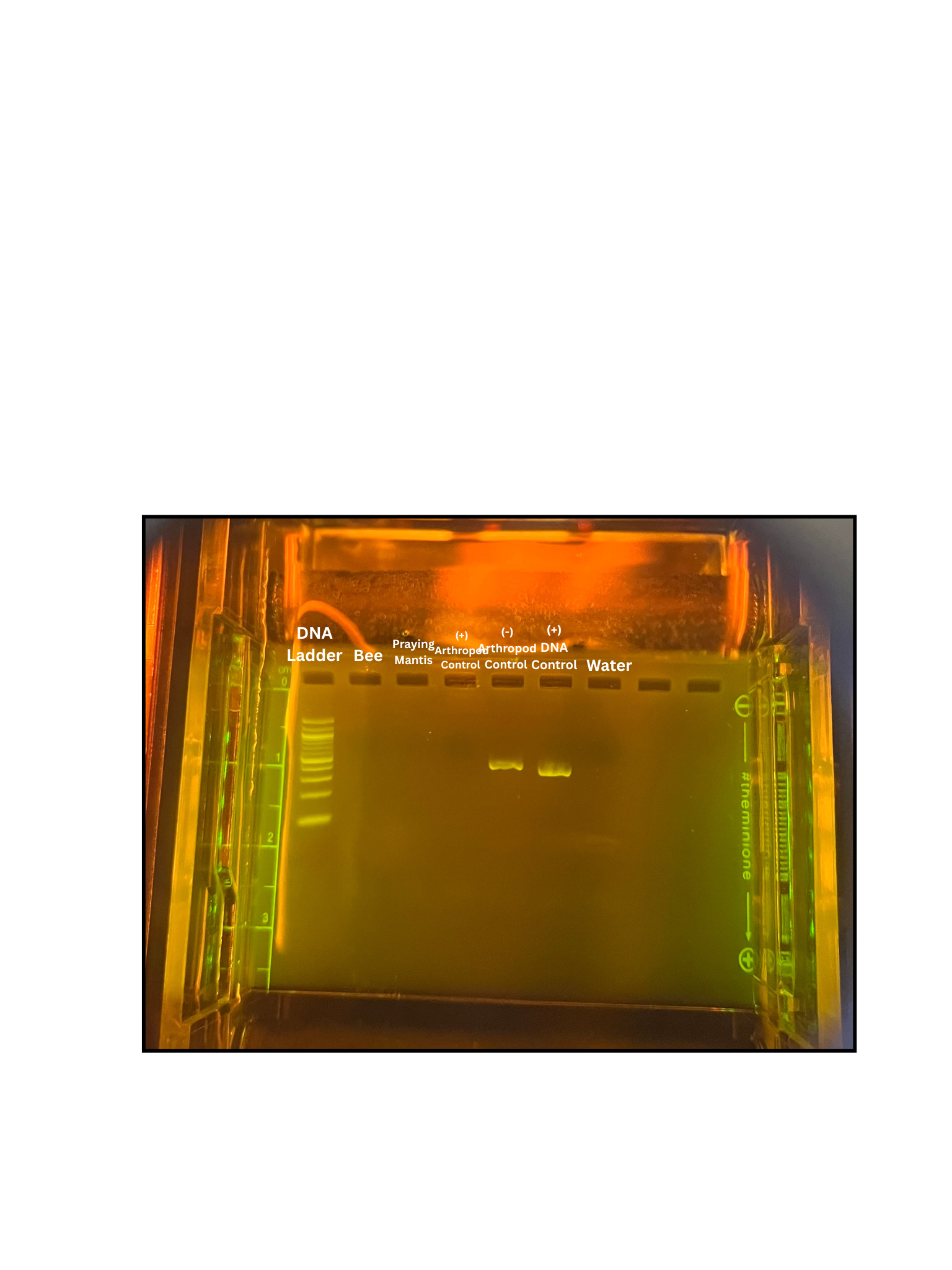
| Gel images |
|
| Protocol notes | DNA Extraction: We made sure to include our exoskeleton and to refill our ATL buffer onto our bee. Gel electrophoresis lanes for CO1 arthropod PCR:
2. The lane for our preying mantis. 3. The lane for our bee. 4. Our positive arthropod control. 5. Our negative arthropod control. 6. And our positive DNA control. Analysis: We had no problem in our DNA extraction, however we have accidentally mixed up our lanes, but other than that our results still came out as negative for wolbachia in our arthropods. |
Results |
|
| Wolbachia presence | No |
| Confidence level | High |
| Explanation of confidence level | I feel confident because my group and I have properly followed each step onto our experiment. We made sure to be careful with our equipment and we haven’t caused any mistakes as well. That’s how high my confidence level is at this moment knowing we haven’t done anything wrong. |
| Wolbachia 16S sequence | |
| Arthropod COI sequence |
|
| Summary | The Hymenoptera was found to be negative for Wolbachia. |
 (no title)
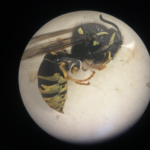 Yellowjacket Wasp
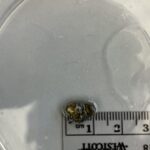 Pillbug
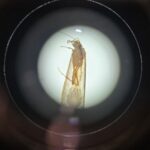 Umpachene Falls Caddisfly
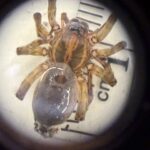 Wolf Spider