Sample information |
|
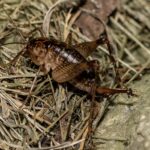
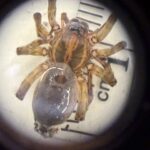
| Picture |
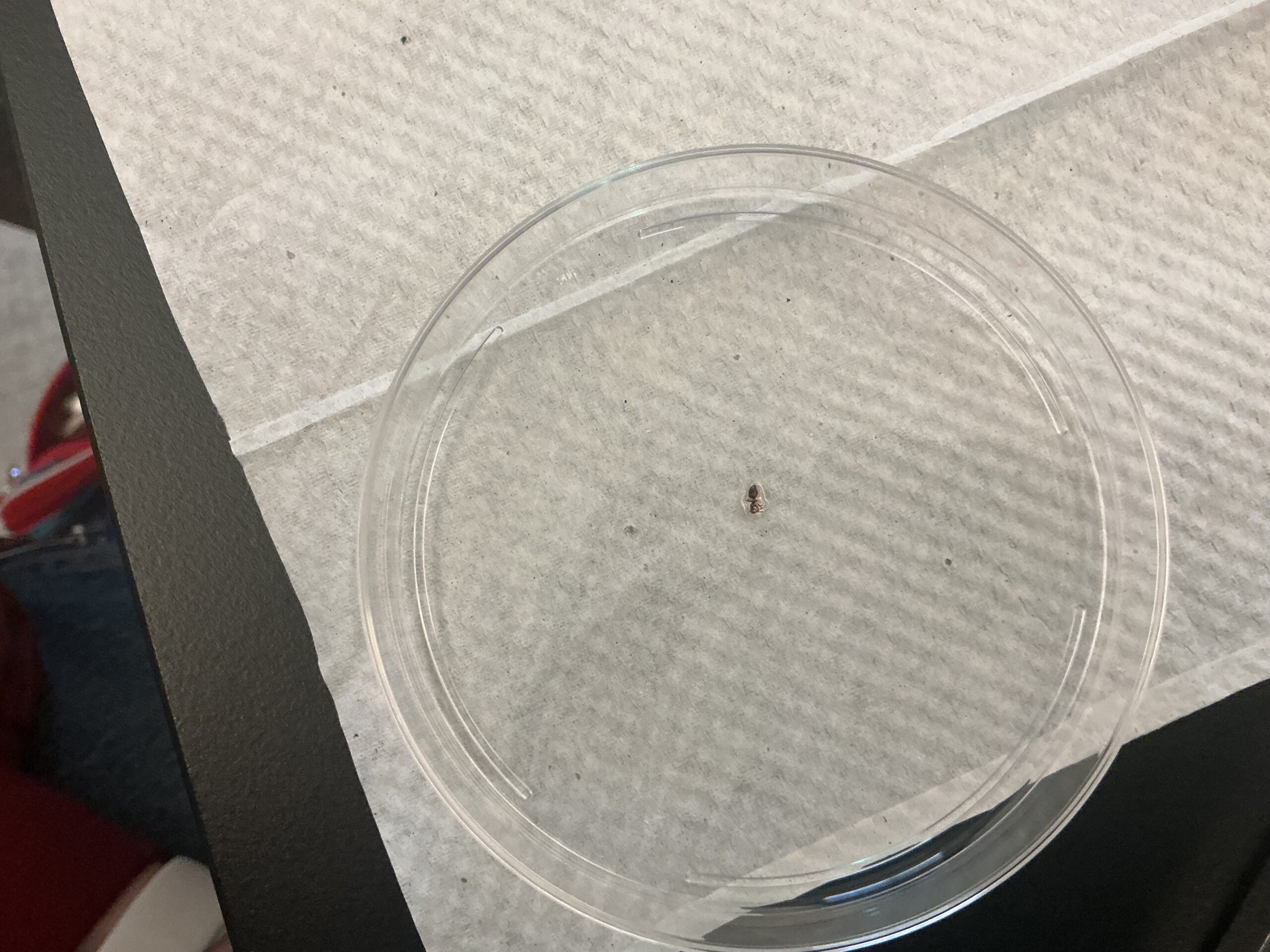
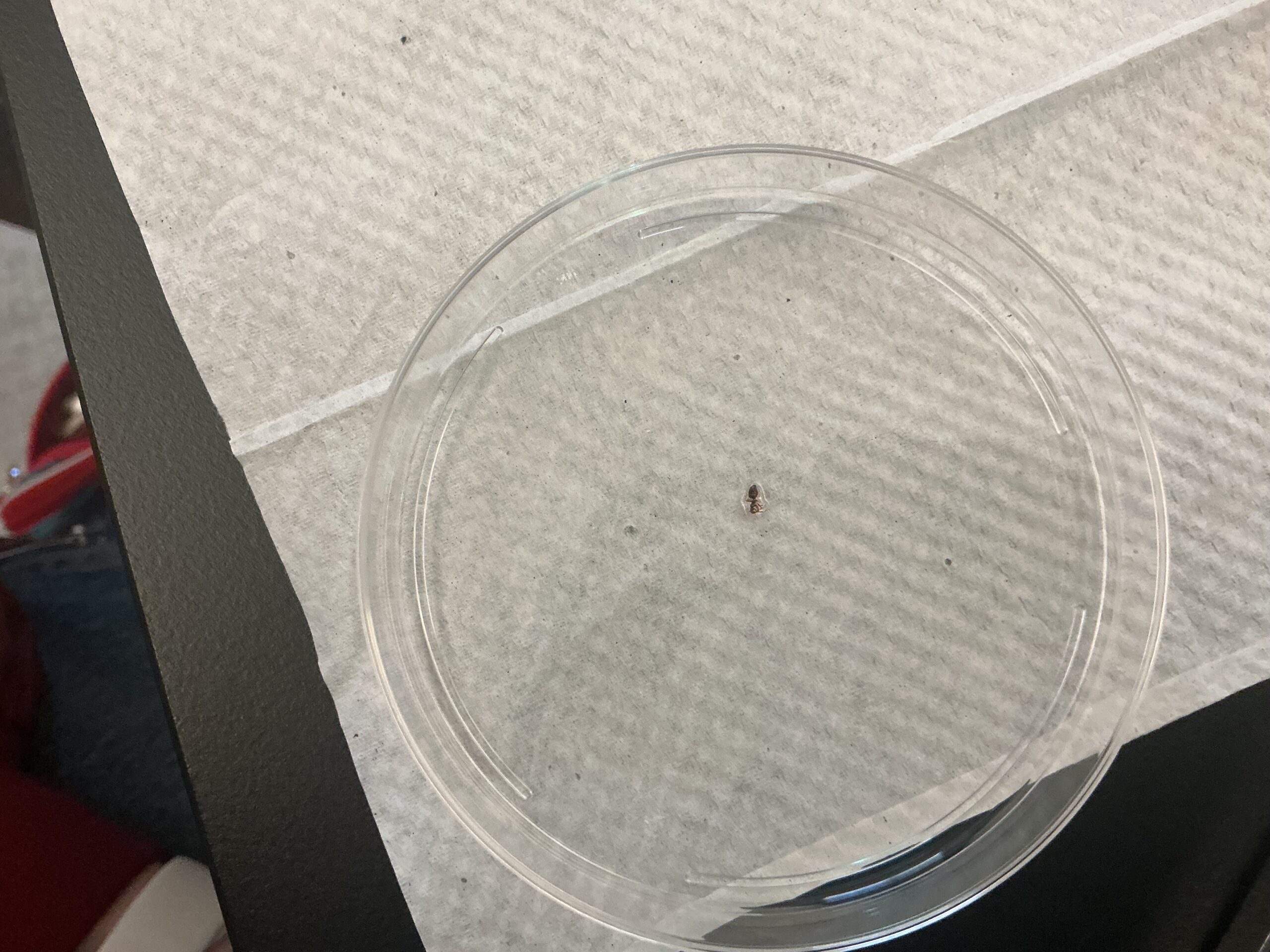
|
|---|---|
| Location | Approximate location: 40.70, -80.30 |
| Collection date | 08/25/2025 |
| Captive / Cultivated? | Wild-caught |
| Group | Beaver Area School District |
| Observations | The temperature was around 64 degrees and this ant was collected in a small forrest area. |
| Putative identification | Arthropoda Insecta Hymenoptera Formicidae |
Methods |
|
| Extraction kit | DNeasy (Qiagen) |
| DNA extraction location | Whole arthropod |
| Single or Duplex PCR | |
| Gel electrophoresis system | |
| Buffer | |
| DNA stain | |
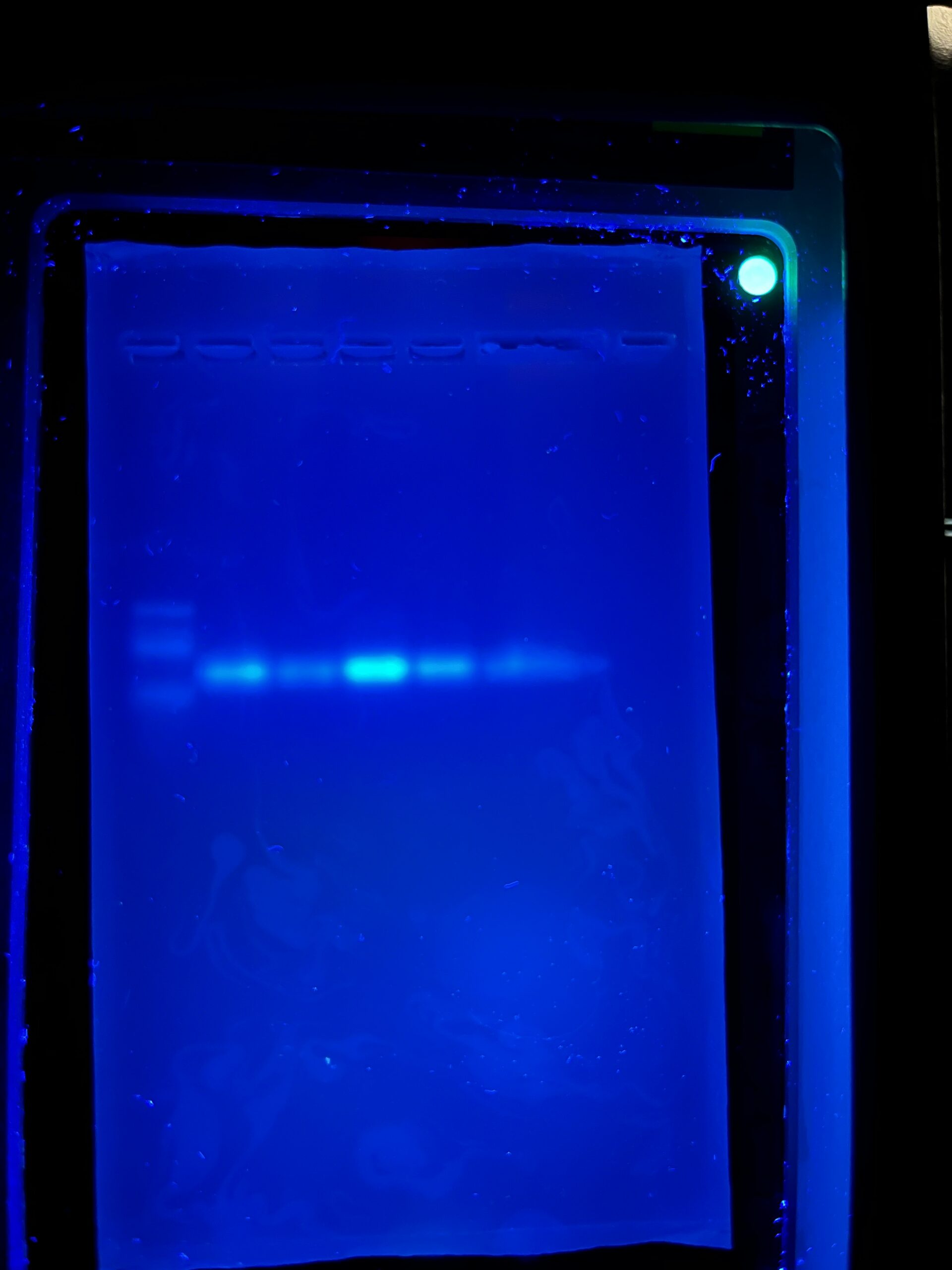
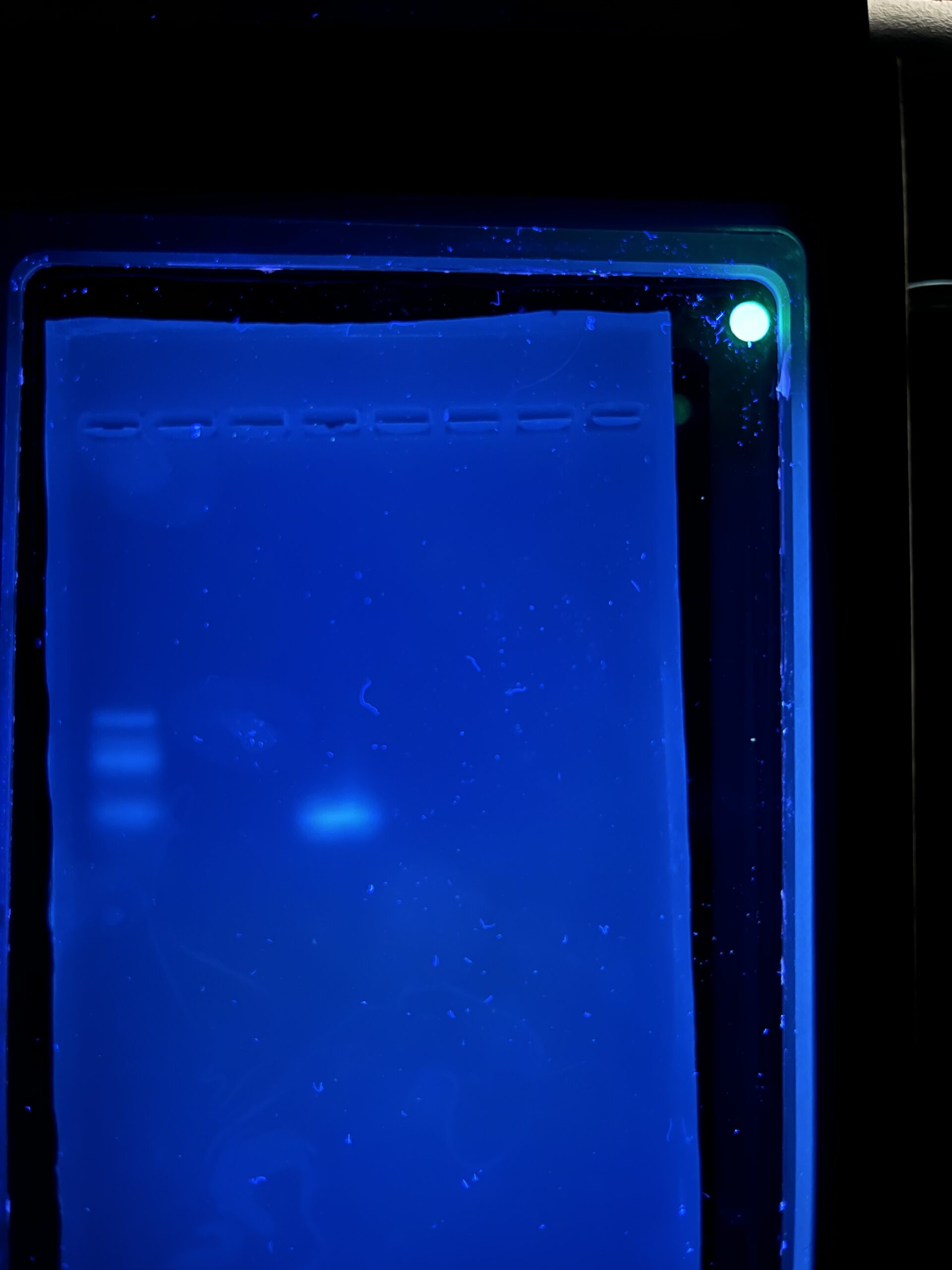
| Gel images |
|
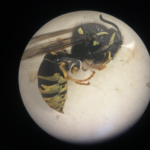
| Protocol notes | DNA Extraction: the whole ant was used. 1.) Ladder 2.) Insect Sample #1 (bee) 3.) Insect Sample #2 (ant) 4.) + Fruit Fly 5.) – Fruit Fly 6.) + DNA 7.) – – water Analysis: my controls worked. Lane six did spill over to lane seven though, so for the water lane we had to use lane eight. That would be why lane six and seven has a one big strand. |
Results |
|
| Wolbachia presence | |
| Confidence level | |
| Explanation of confidence level | For the Wholbachia gel, only the positive Wholbachia strand band was the only one that appeared. It makes me wonder if something went wrong, or if this could be an expected result. We also got no results on the positive DNA 6th lane which makes me more curious as to what could have happened. |
| Wolbachia 16S sequence | |
| Arthropod COI sequence |
|
| Summary | |
 (no title)
 Yellowjacket Wasp
 Pillbug
 Umpachene Falls Caddisfly
 Wolf Spider