Sample information |
|
| Picture |
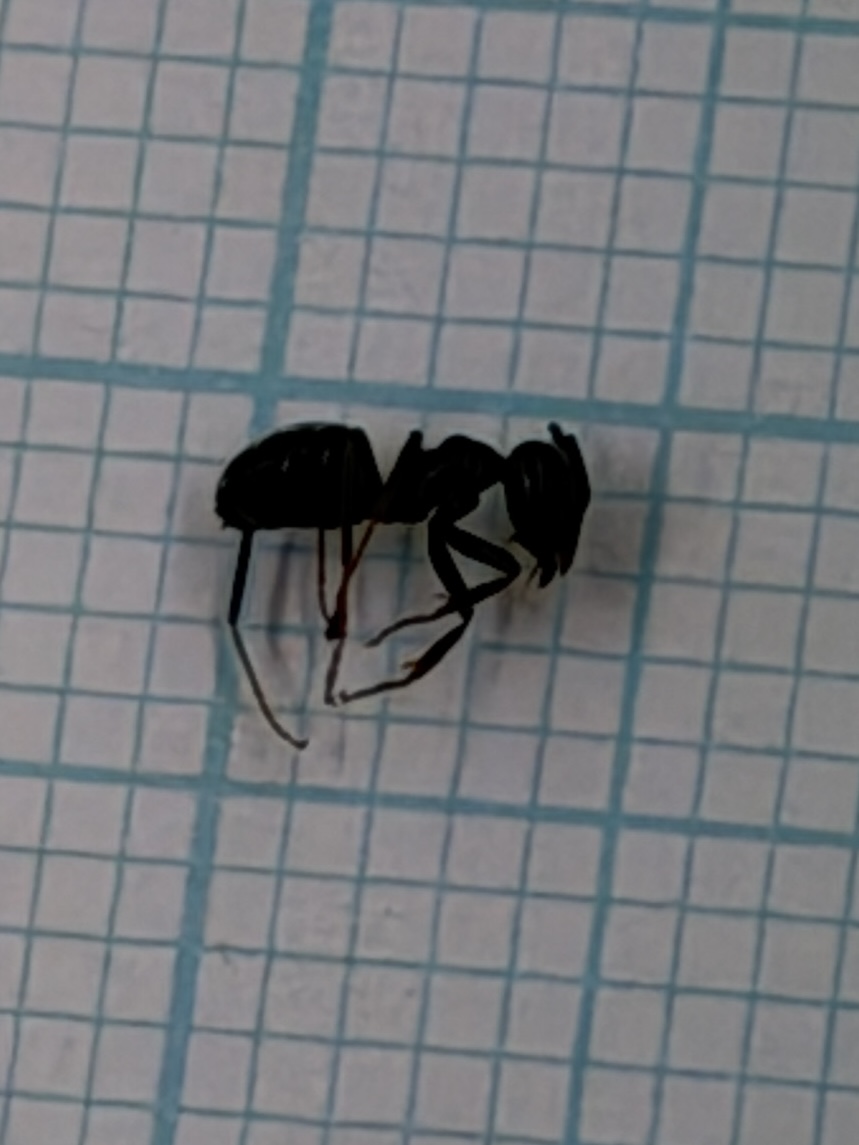
|
|---|---|
| Location | Approximate location: 47.10, 8.46 |
| Collection date | 03/26/2026 |
| Captive / Cultivated? | Wild-caught |
| Group | |
| Observations | lively, caught in a small forest |
| Putative identification | Arthropoda Insecta Hymenoptera Formicidae |
Methods |
|
| Extraction kit | Edwards Buffer |
| DNA extraction location | Gonads dissected |
| Single or Duplex PCR | Duplex Reaction |
| Gel electrophoresis system | MiniOne |
| Buffer | TAE |
| DNA stain | Cyber Green |
| Gel images |
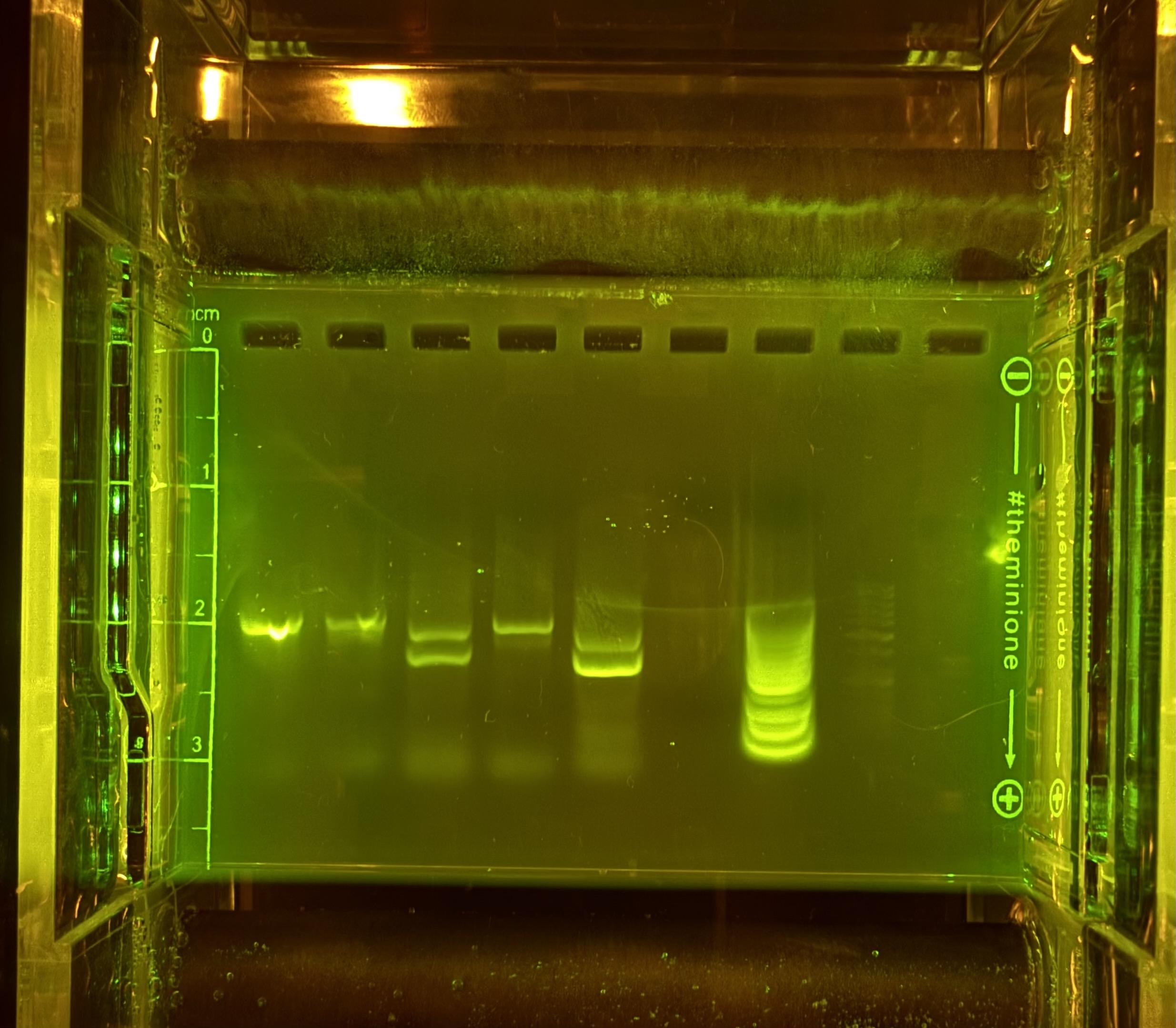
|
| Protocol notes | During the DNA extraction, one step was accidentally performed in the wrong order. The correct procedure was to transfer 150 µL of the sample supernatant without sediment into a tube containing 150 µL of isopropanol. However, we accidentally added 150 µL of isopropanol directly into the original sample tube. To correct this, we carefully removed 300 µL of the mixed sample and isopropanol from the top of the liquid. We tried to avoid taking up sediment by pipetting only from the upper layer. This corrected mixture was then used for the following steps. In the gel image:
|
Results |
|
| Wolbachia presence | No |
| Confidence level | High |
| Explanation of confidence level | Because the gel electrophoresis shows a clear result. |
| Wolbachia 16S sequence | |
| Arthropod COI sequence |
|
| Summary | The Formicidae was found to be negative for Wolbachia. |
 (no title)
 Yellowjacket Wasp
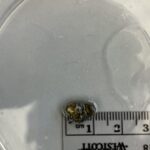 Pillbug
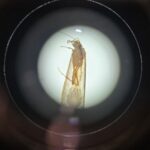 Umpachene Falls Caddisfly
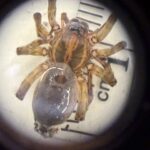 Wolf Spider