Sample information |
|
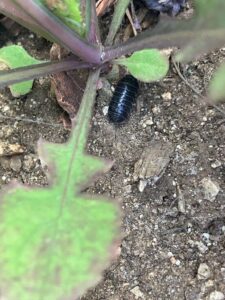
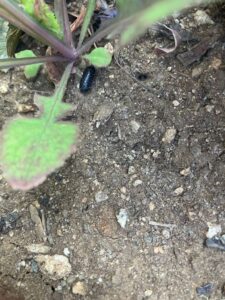
| Picture |
|
|---|---|
| Location | Approximate location: 33.84, -118.37 |
| Collection date | 05/06/2026 |
| Captive / Cultivated? | Wild-caught |
| Group | California Academy of Mathematics and Science |
| Observations |
|
| Putative identification | Arthropoda Malacostraca Isopoda Armadillidae Armadillidium Armadillidium vulgare |
Methods |
|
| Extraction kit | Edwards Buffer |
| DNA extraction location | Abdomen |
| Single or Duplex PCR | Duplex Reaction |
| Gel electrophoresis system | agarose gel electrophoresis |
| Buffer | 1X TAE |
| DNA stain | UV Stain |
| Gel images |
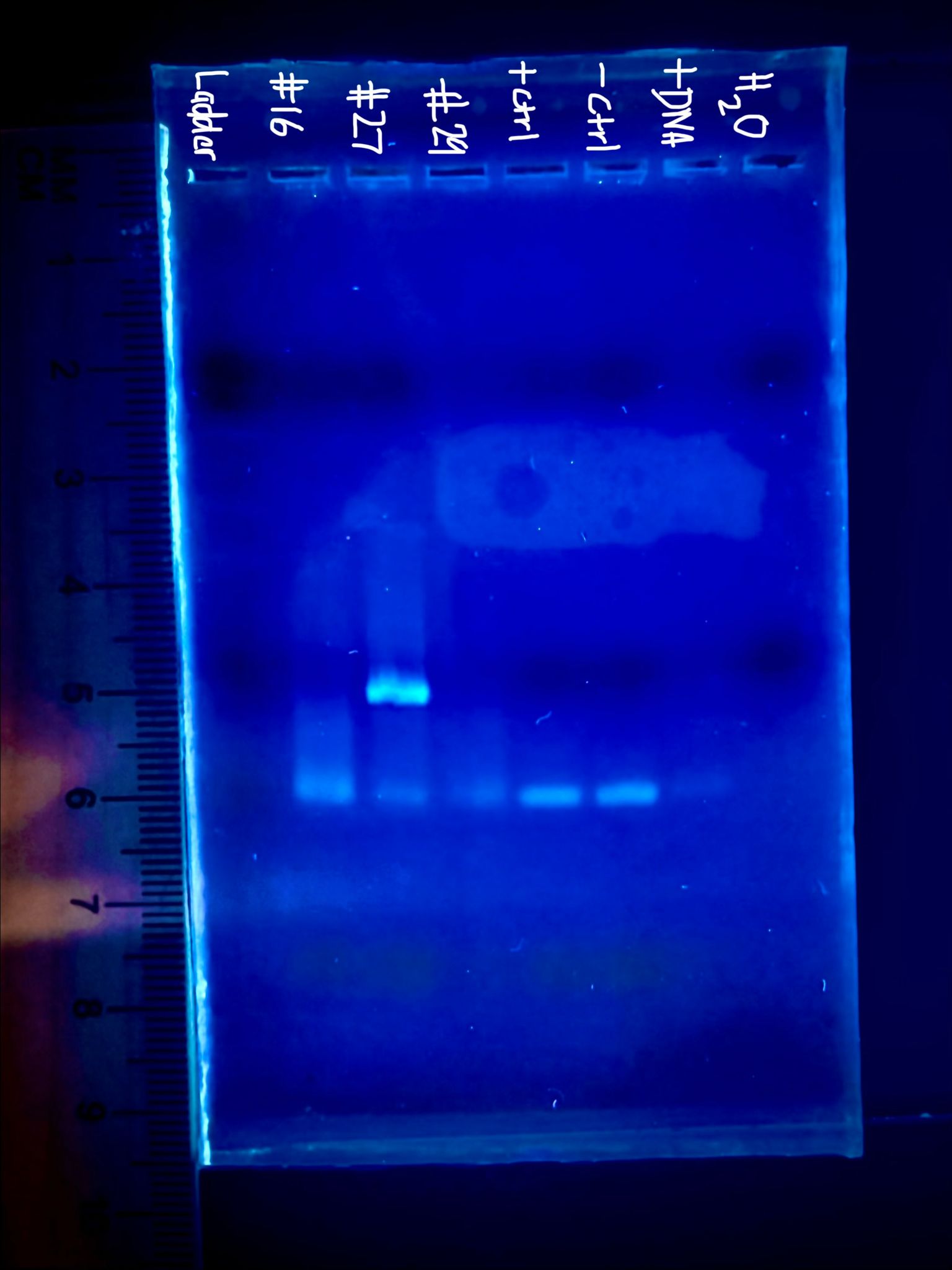
|
| Protocol notes | We ran a Gel Electrophoresis. However, during prep, there may have been issues with our DNA extraction or PCR (more likely due to our BLAST results). Our ladder also did not show up on the gel. We believe we should have run the gel for longer for more concrete results. Analysis: |
Results |
|
| Wolbachia presence | Unknown |
| Confidence level | Low |
| Explanation of confidence level |
Our confidence level is very low because our gel results were very inconclusive. First of all, we had no ladder to compare the run of our samples to, so we had no idea how many base pairs the samples stopped at. Moreover, we were expecting two bands on the positive control, one for arthropod and one for Wolbachia, but all 3 of our samples and the positive and negative control had only one band. We expect that this occurred because we did not let the gel run for long enough for the second band to appear. However, we predicted that the one band that did show up for all 5 of the lanes (3 samples and 2 controls) confirmed that all of them were arthropods. Moreover, Sample 2 also had an anomaly; it had a very dark band before the common band that was predicted to be the arthropod confirmation. We are still unaware of the reason for that band’s existence. |
| Wolbachia 16S sequence | |
| Arthropod COI sequence | Download AB1
|
| Summary | |
 (no title)
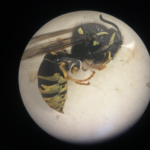 Yellowjacket Wasp
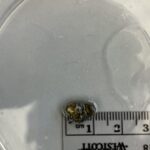 Pillbug
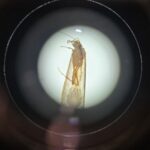 Umpachene Falls Caddisfly
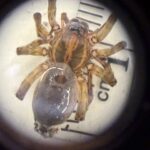 Wolf Spider