Sample information |
|
| Picture |
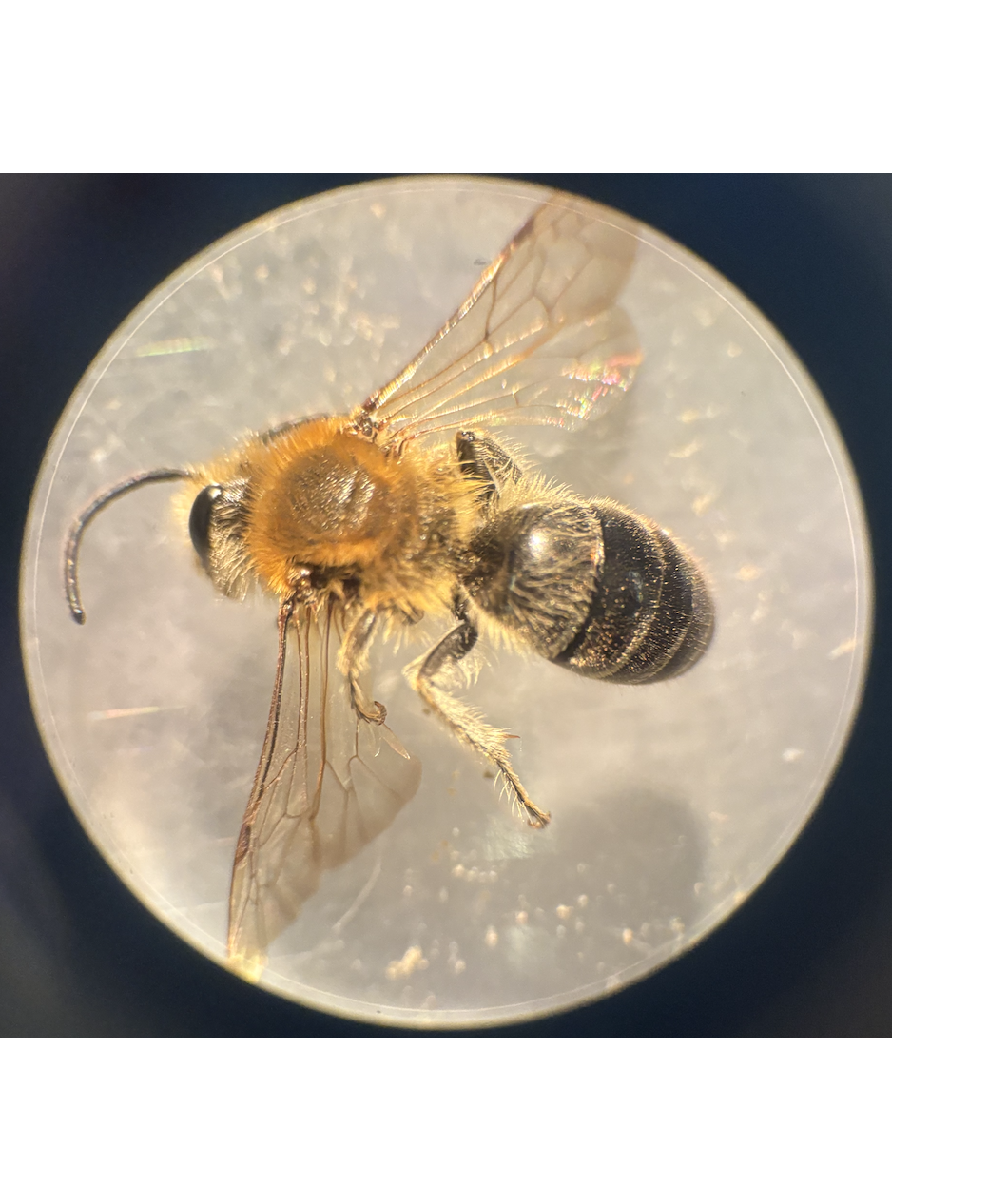
|
|---|---|
| Location | Approximate location: 38.82, -77.17 |
| Collection date | 04/20/2026 |
| Captive / Cultivated? | Wild-caught |
| Group | Thomas Jefferson High School for Science and Technology |
| Observations | Small fuzzy bee with a bright orange/yellow color, black abdomen, and long antennae. The bug was captured under a tree on the front yard of the school. |
| Putative identification | Arthropoda Insecta Hymenoptera Colletidae |
Methods |
|
| Extraction kit | DNeasy (Qiagen) blood and tissue kit |
| DNA extraction location | Abdomen |
| Single or Duplex PCR | Single Reaction |
| Gel electrophoresis system | MiniPCR |
| Buffer | TBE |
| DNA stain | SYBR Safe |
| Gel images |
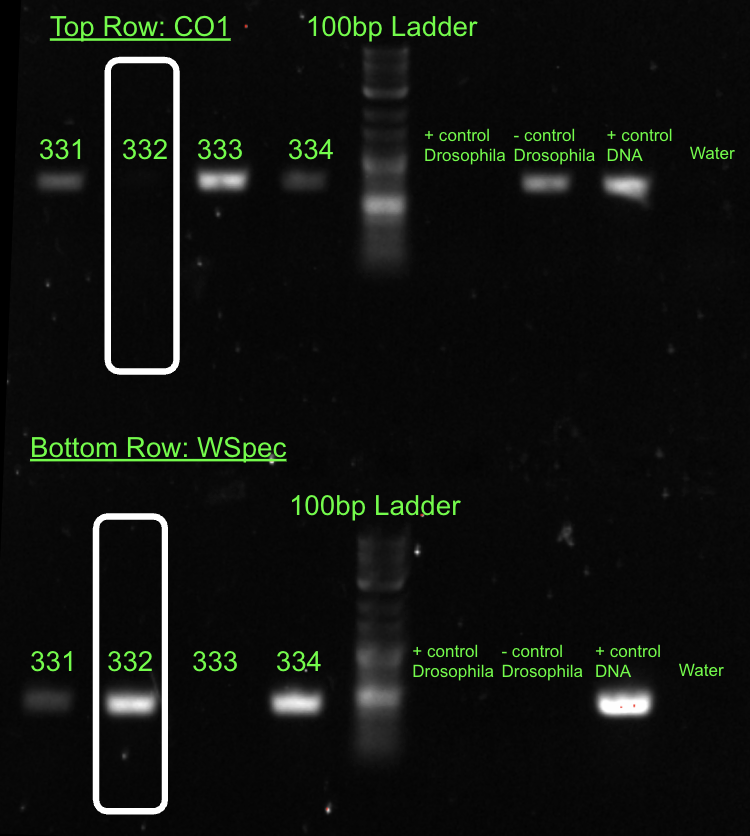
|
| Protocol notes | DNA Extraction: We cut a part of the abdomen from the bee in order to extract the DNA. We did not include any of the exoskeleton. There was not much DNA obtained from bee 332 because of the lack of available soft tissue in the abdomen (the bee was made up of mostly an exoskeleton). Amplification + Gel Electrophoresis: We then ran a PCR amplification specific to Wolbachia and ran the solution in gel electrophoresis to analyze results. For the gel electrophoresis in CO1, we may have released the contents of our pipette too early and therefore sent it above the well instead of into the well, causing some of this lab’s errors. Note: Although I am 333, when running PCR I was labeled as 332, meaning my DNA is in the 2nd column. |
Results |
|
| Wolbachia presence | Yes |
| Confidence level | Low |
| Explanation of confidence level | While the WSpec band suggests the specimen is positive for Wolbachia, there is no CO1 band, hence my confidence level is low. Without the CO1 band, you cannot confirm that the DNA extraction was sufficient or that PCR inhibitors were not present, thus affecting reliability. In addition, the – Drosophila control and water both show no bands as expected, which confirms that no contamination occurred. The + control DNA produced a strong band, which confirms that the WSpec primers/reagents are also functional. However, the + Drosophila control shows no visible band when it should, and we are not sure why. Overall, the CO1 not having a band due to the low DNA yield and failed + Drosophila control lead us to have a low confidence level. |
| Wolbachia 16S sequence | Download AB1
GTGTTGCATGGCTGTCGTCAGCTCGTGTCGTGAGATGTTGGGTTAAGTCCCGCAACGAGCGCAACCCTCATCCTTAGTTACCATCAGGTAATGCTGGGGACTTTAAGGAAACTGCCAGTGATAAACTGGAGGAAGGTGGGGATGATGTCAAGTCATCATGGCCCTTATGGGGTGGGCTACACACGTGCTACAATGGTGGCTACAATGGGCTGCAAAGTCGCAAGGCTAAGCTAATCCCTTAAAAGCCATCTCAGTTCGGATTGTACTCTGCAACTCGAGTACATGAAGTTGGAATCGCTAGTAATCGTGGATCAGCATGCCACGGTGAATACGTTCTCGGGTCTTGTACACACTGCCCGTCACGCCATGGGAATTGGTT
BLAST at The Wolbachia Project BLAST at NCBI
|
| Arthropod COI sequence |
|
| Summary | The Colletidae was found to be postive for Wolbachia. |
 (no title)
 Yellowjacket Wasp
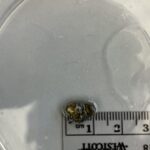 Pillbug
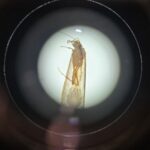 Umpachene Falls Caddisfly
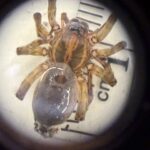 Wolf Spider