Sample information |
|
| Picture |
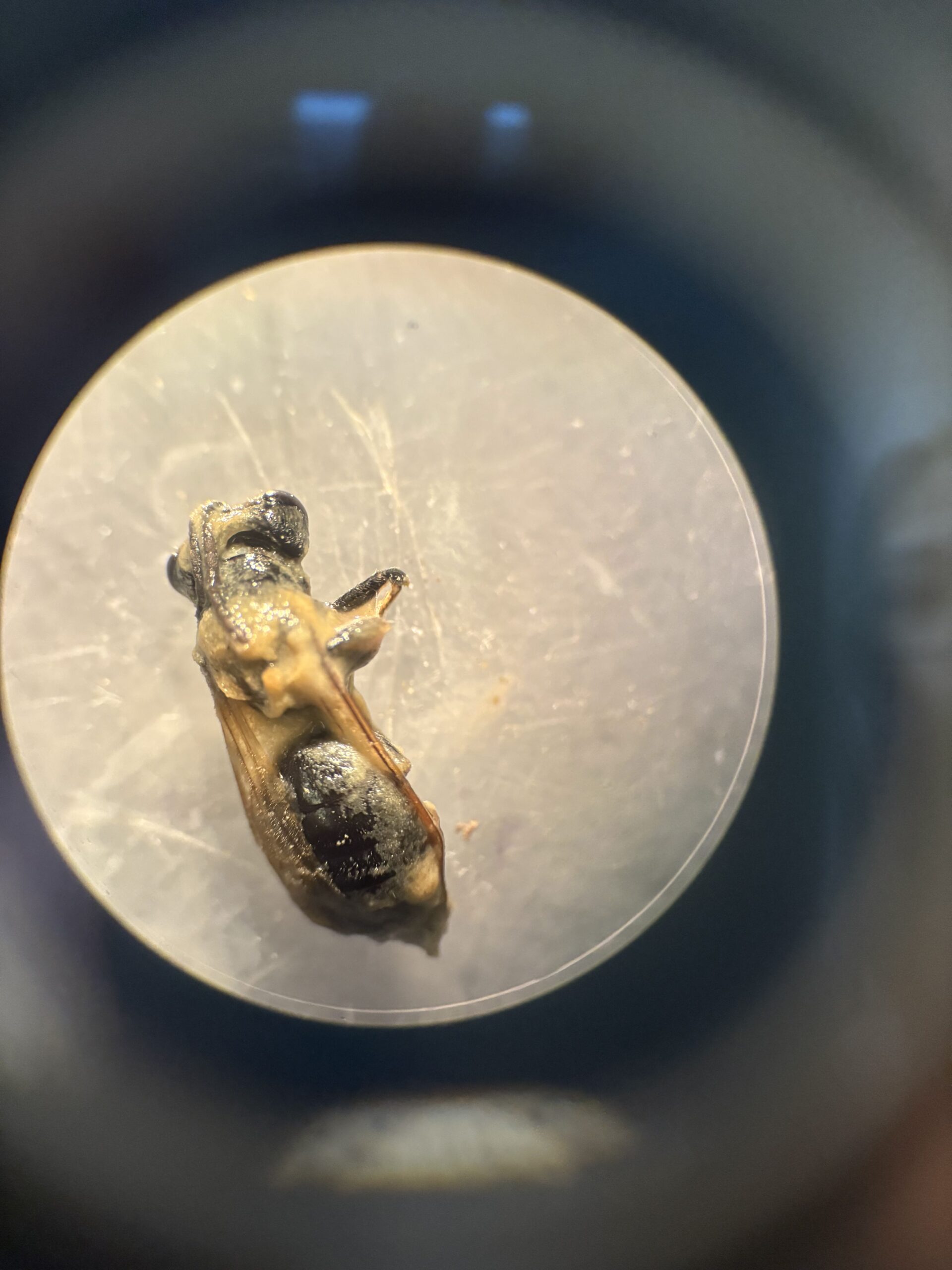
|
|---|---|
| Location | Approximate location: 38.82, -77.17 |
| Collection date | 04/20/2026 |
| Captive / Cultivated? | Wild-caught |
| Group | Thomas Jefferson High School for Science and Technology |
| Observations | I found this bee on a leaf near a stream, during a sunny afternoon. The bee is covered in a waxy pollen, as it had pollen on it when I captured it, and the damp tube caused the pollen to become wet and stick to the bee. Also, there is a spider attached to the bee as the spider was previously captured and placed in the tube. |
| Putative identification | Arthropoda Insecta Hymenoptera |
Methods |
|
| Extraction kit | DNeasy (Qiagen) blood and tissue kit |
| DNA extraction location | Abdomen |
| Single or Duplex PCR | Single Reaction |
| Gel electrophoresis system | MiniPCR |
| Buffer | TBE |
| DNA stain | SYBR Safe |
| Gel images |
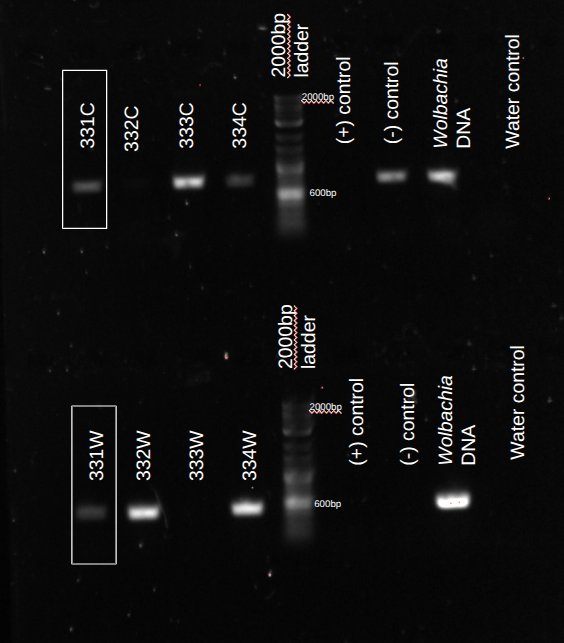
|
| Protocol notes | When I extracted the sample from the specimen’s abdomen, I tried to get as much out as possible. However, the abdomen seemed to be nearly empty for some reason, and extracting usable tissue was difficult. However, the overall DNA extraction protocol + PCR went well, and there did not seem to be any obvious issues when we were performing our protocol (see below for further analysis). When loading our gels, we frequently made minor errors. For example, we removed the micropipette too early at times, meaning that wisps of loading dye would appear in the liquid above the wells. However, none of the wells seemed to be punctured. |
Results |
|
| Wolbachia presence | Yes |
| Confidence level | Low |
| Explanation of confidence level | Our controls do not seem to be working properly. Both our “positive control” wells, containing Wolbachia-positive Drosophila, are blank, indicating that this control did not work as intended and we cannot rule out false negatives (a false negative would mean that there seemed to be no CO1 gene or Wolbachia when there actually was). One of the wells for the “negative control”, containing Wolbachia-negative Drosophila, are blank, indicating that this control did not work as intended and we cannot rule out false positives (a false positive would mean that there seemed to be Wolbachia when there actually wasn’t). However, our “Wolbachia DNA” wells containing pure Wolbachia DNA had bands and seemed to work as intended. Therefore, based on our faulty controls indicating some kind of contamination or error with our lab, I have low confidence in the positive Wolbachia result of my sample.
|
| Wolbachia 16S sequence | Download FASTA
Download AB1
GGTTGGCCGGATTTACCGGTGTTGCATGGCTGTCGTCAGCTCGTGTCGTGAGATGTTGGGTTAAGTCCCGCAACGACTTTTACGGTCATCCTTAGTTACCATCAGGTAATGCTGGGGACTTTATTGAAACTGCCAGTGATAAACTGGAGGAAGGTGGGGATGATGTCAAGTCATCATGGCCCTTATGGGGTGGGCTACACACTTGCTACAATGGTGGCTACAATGGGCTGCAAAGTCGCAAGGCTAAGCTAATCCCTTAAAAGCCATCTCAGTTCGGATTGTACTCTGCAACTCGAGTACATGAAGTTGGAATCGCTAGTAATCGTGGATCAGCATGCCACGGTGAATACGTTCTCGGGTCTTGTACACACTGCCCGTCACGCCATGGGAATTGGTTTCACTCGAANCT
BLAST at The Wolbachia Project BLAST at NCBI
|
| Arthropod COI sequence | Download FASTA
Download AB1
GTTAGTGTTGTTGGATGTGATCTGCGATACTTGGAACTTCATTAAGACTATTAATTCGGATAGAATTAGGAACCCCTGGTTCATTAATTGGGAACGACCAAATCTATAACTCTATCGTCACAGCTCATGCTTTTATCATAATTTTCTTTATAGTTATACCTATTATAATTGGAGGATTCGGAAATTGATTAGTTCCTCTAATACTAGGAGCTCCAGATATAGCTTTCCCTCGTATAAATAATATAAGATTTTGATTACTTCCTCCTTCTATTTCATTACTATTAGCTAGAAGATTTATTGAGTCAGGGGCGGGAACAGGATGAACAGTTTACCCTCCTCTTTCCAGTAATATTGCCCACAGTGGAGCCTCAGTAGATTTAACAATTTTTAGCCTTCATTTGGCAGGAATCTCTTCAATTTTGGGGGCAGTTAATTTTATCTCTTCAATTATAAATATACGAACCCCTGGAATAACAATAGAAAAAATACCTTTATTTGCTTGATCTGTAGGAATTACTGCCGTTCTATTACTTCTTTCTCTCCCAGTATTAGCAGGAGCAATTACAATACTTTTAACCGATCGAAATTTAAATACCTCATTTTTTGACCCAACCGGAGGAGGAGACCCAATTTTATATCAACACTTATTTTGATTTTTTGGTCACCCTTGAAGTTTAA
BLAST at The Wolbachia Project BLAST at NCBI
|
| Summary | The Hymenoptera was found to be postive for Wolbachia. |
 (no title)
 Yellowjacket Wasp
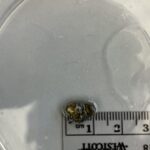 Pillbug
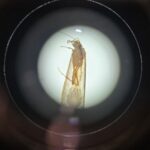 Umpachene Falls Caddisfly
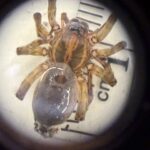 Wolf Spider