Sample information |
|
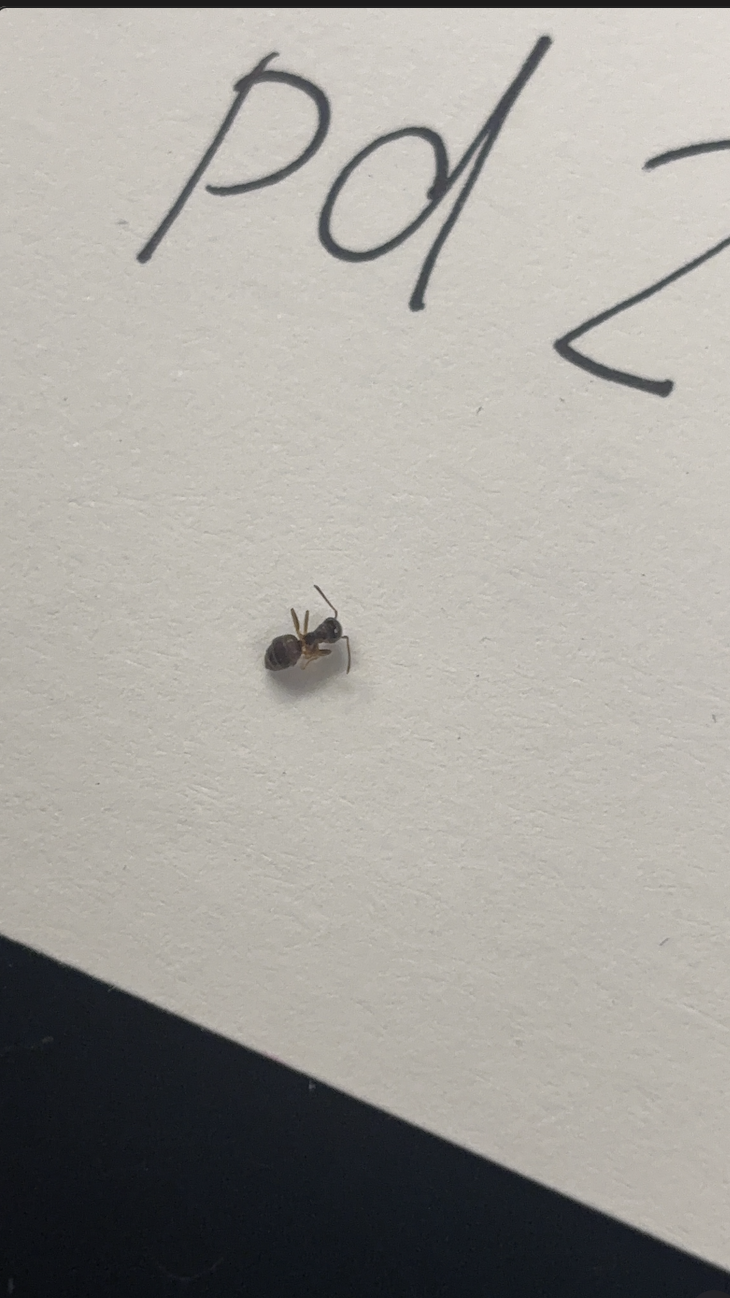
| Picture |
|
|---|---|
| Location | Approximate location: 38.82, -77.17 |
| Collection date | 04/22/2026 |
| Captive / Cultivated? | Wild-caught |
| Group | Thomas Jefferson High School for Science and Technology |
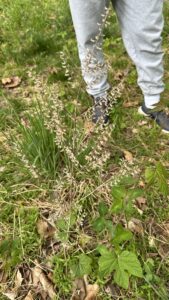
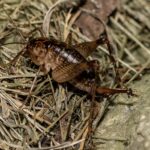
| Observations | Found underneath a fallen tree log, along with the ant colony. In short time did most of the larvae and the ants enter the ground. Explored nearby stream region next to school.
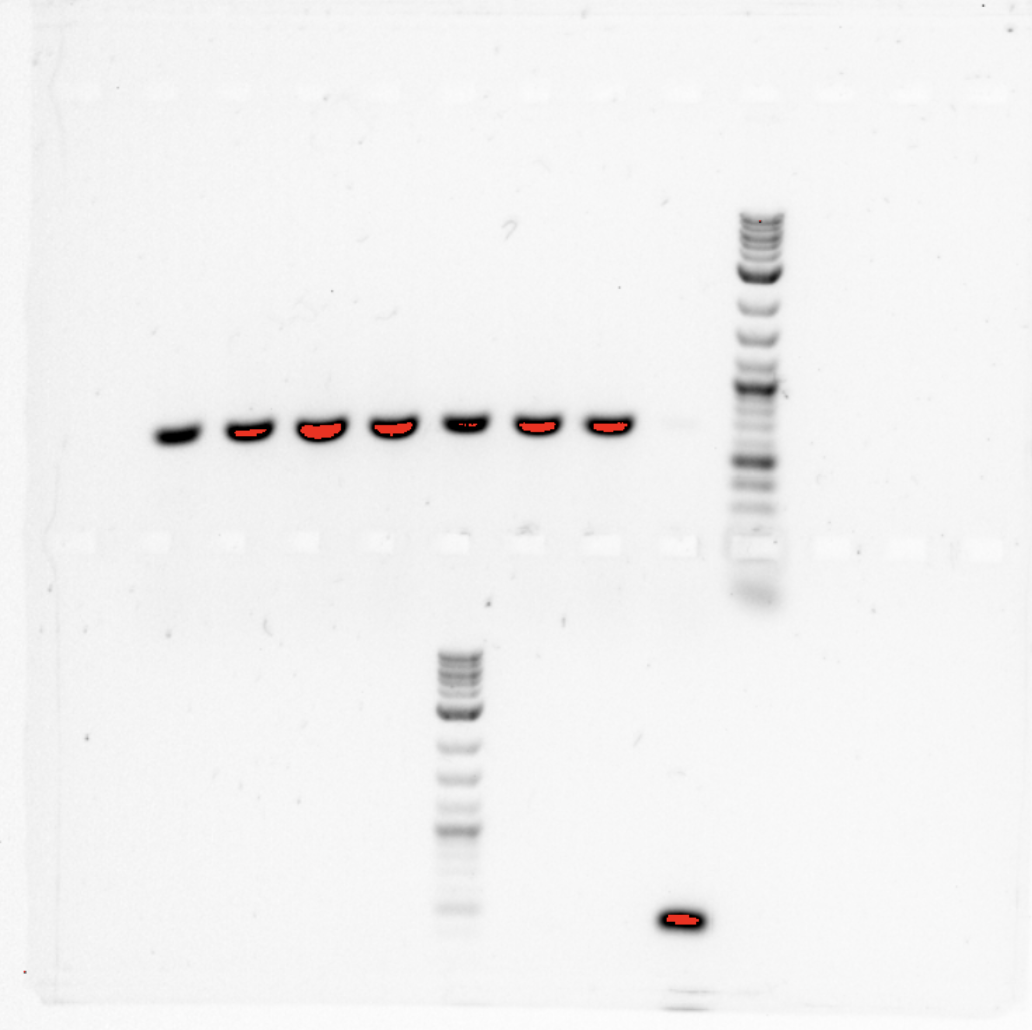
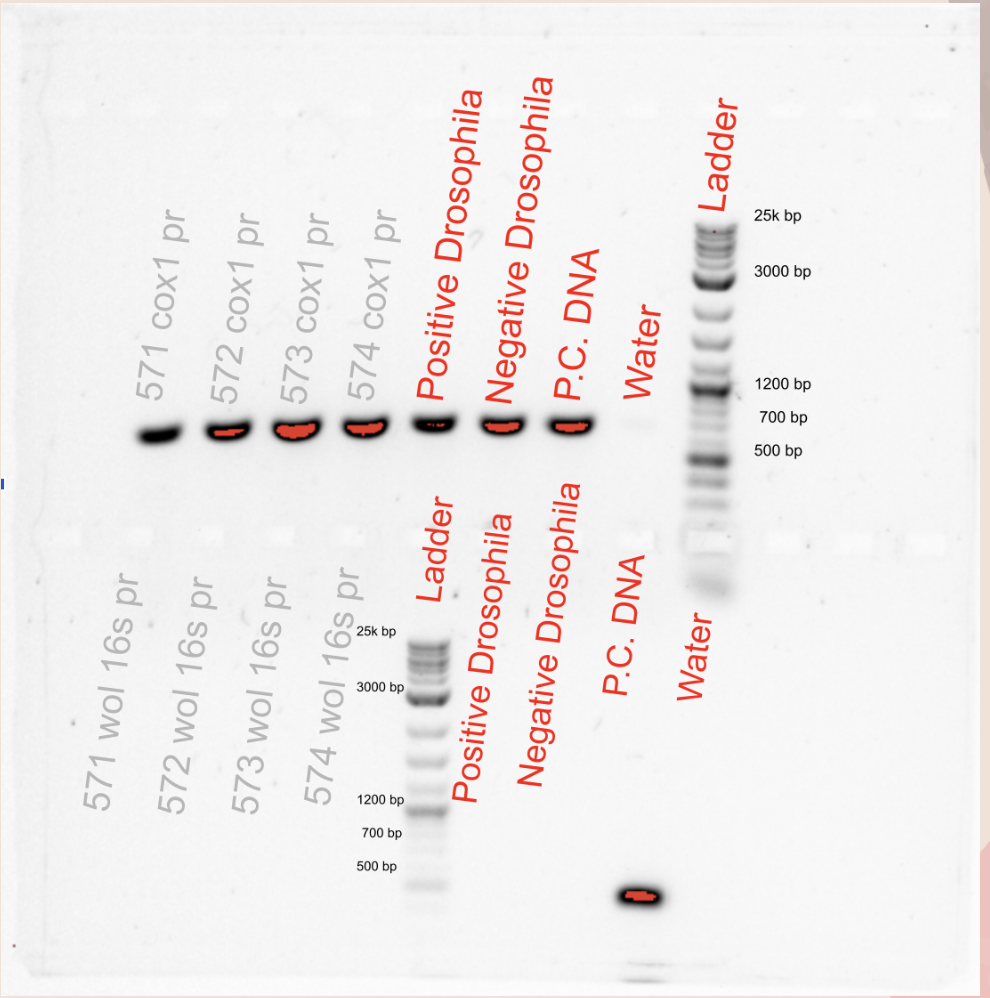
PCR Gel Image results, from left to right of the top row: The bottom row was for the same samples, but for Wolbachia primers. from left to right of the bottom row: |
| Putative identification | Arthropoda Insecta Hymenoptera Formicidae Lasius Lasius americanus |
Methods |
|
| Extraction kit | DNeasy (Qiagen) blood and tissue kit |
| DNA extraction location | Whole arthropod |
| Single or Duplex PCR | Single Reaction |
| Gel electrophoresis system | MiniPCR |
| Buffer | TBE |
| DNA stain | SYBR Safe |
| Gel images |
|
| Protocol notes | Primers to specifically amplify a 438-bp (base pair) fragment of the 16S ribosomal RNA gene (ubiquitous in all Wolbachia) are: Wolbachia_F (16S_WspecF): 5’−CAT ACC TAT TCG AAG GGA TAG−3’ and Wolbachia_R (16S_WspecR): 5’−AGC TTC GAG TGA AAC CAA TTC−3’. When using these primers, the ideal annealing temperature is 55°C.
Primers to specifically amplify a 708-bp fragment of the CO1 cytochrome oxidase gene (ubiquitous in arthropod mitochondria) are: Arthropod_F (LCO1490): 5’−GGT CAA CAA ATC ATA AAG ATA TTG G−3’ and Arthropod_R (HCO2198): 5’−TAA ACT TCA GGG TGA CCA AAA AAT CA−3’. When using these primers, the ideal annealing temperature is 49°C. DNA extraction had 260/280 ratio of 1.712, |
Results |
|
| Wolbachia presence | No |
| Confidence level | Low |
| Explanation of confidence level | A 30 cycle PCR along with 16S rRNA primers for Wolbachia + SYBR Safe did not show any glow or presence of DNA for any of our extracted samples. But our Supposed Positive Wolbachia Arthropod sample from D. melanogaster in the PCR Gel Electrophoresis results also did not show any glow or presence of DNA, meaning likely something went wrong with Wolbachia testing specific DNA amplification. The predicted result of the Positive Control DNA convolutes the reason for the error more, since that hints that PCR steps were generally correct. |
| Wolbachia 16S sequence | |
| Arthropod COI sequence | Download FASTA
Download AB1
CTNTTTGAGCTGGTATAATTGGCTCATCTATAAGAATAATTATCCGACTAGAATTAGGTTCATCTAATTCATTAATTAATAATGATCAAATTTATAACTCTATAGTTACAAGGCACGCATTTGTTATAATTTTCTTCATAGTTATACCTTTCATAATTGGTGGATTTGGTAATTTTCTTGTACCTTTAATATTAGGTTCACCTGATATGGCTTACCCCCGTATAAATAATATAAGATTTTGACTTTTACCTCCCTCTATTTCTCTACTCCTTTTAAGAAATTTCATTAATGATGGAGTCGGAACAGGATGAACCGTTTATCCTCCTTTAGCCTCAAATATCTTCCATAATGGCCCTTCAGTTGATTTAACTATTTTCTCTCTTCACATCGCTGGAATATCTTCTATTTTAGGAGCTATTAATTTTATTTCAACTATTATAAACATACACCATAAAAATTTTTCTATTGATAAAATTCCACTACTTGTATGATCAATCTTAATTACTGCAATTTTACTACTTCTATCCCTTCCTGTTCTTGCAGGAGCTATTACTATACTTTTAACTGACCGTAACCTTAATACTTCATTTTTTGACCCATCAGGAGGTGGCGATCCTATTTTATATCAACATCTTTTCTGATTTTT
BLAST at The Wolbachia Project BLAST at NCBI
|
| Summary | The Lasius americanus was found to be negative for Wolbachia. |
 (no title)
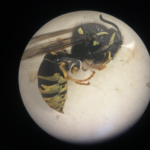 Yellowjacket Wasp
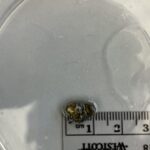 Pillbug
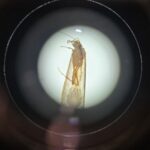 Umpachene Falls Caddisfly
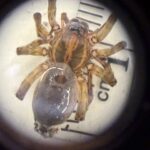 Wolf Spider