Sample information |
|
| Picture |
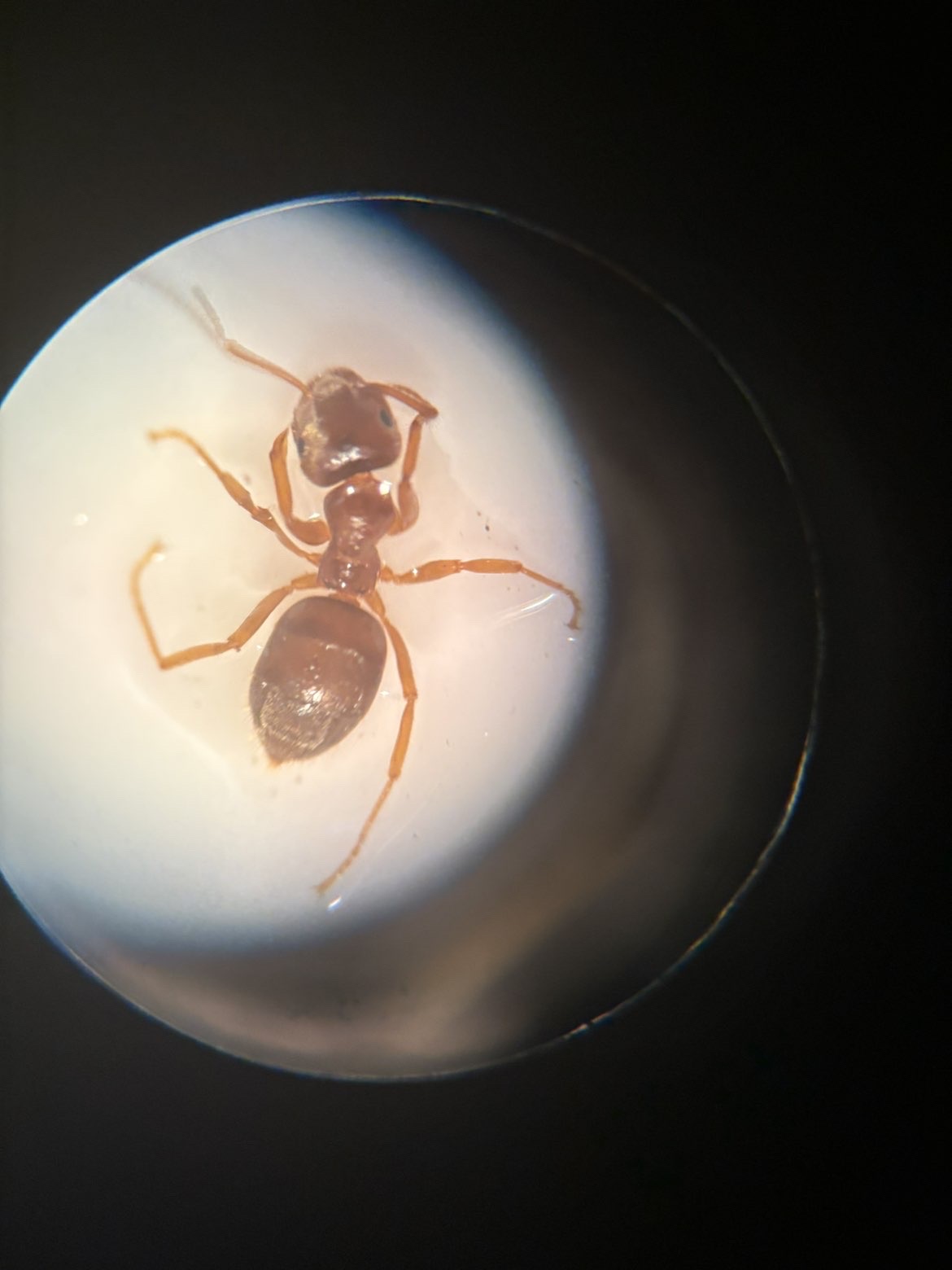
|
|---|---|
| Location | Approximate location: 50.43, -104.61 |
| Collection date | 06/15/2026 |
| Captive / Cultivated? | Wild-caught |
| Group | Winston Knoll Collegiate |
| Observations |
|
| Putative identification | Arthropoda Insecta Hymenoptera Formicidae Lasius Lasius neoniger |
Methods |
|
| Extraction kit | DNeasy (Qiagen) blood and tissue kit |
| DNA extraction location | Whole arthropod |
| Single or Duplex PCR | Single Reaction |
| Gel electrophoresis system | MiniPCR's BlueGel |
| Buffer | 1X TBE |
| DNA stain | SeeGreen |
| Gel images |
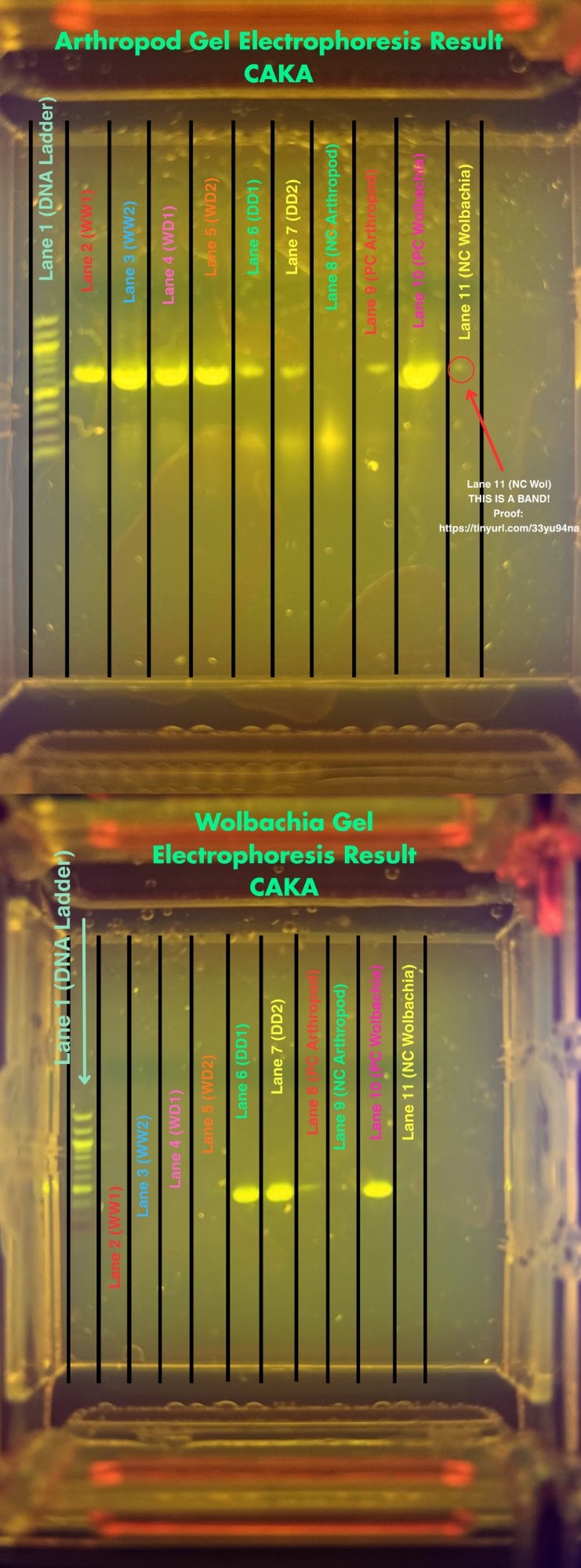
|
| Protocol notes | |
Results |
|
| Wolbachia presence | No |
| Confidence level | High |
| Explanation of confidence level | Our confidence level is high because all of our controls worked as expected. In our arthropod gel, all of the wells showed a band except for the arthropod negative control, as expected. In our Wolbachia gel, our positive controls showed a band, whereas our negative controls did not, as expected. We are confident in the diagnosis of this arthropod. |
| Wolbachia 16S sequence | |
| Arthropod COI sequence |
|
| Summary | The Lasius neoniger was found to be negative for Wolbachia. |
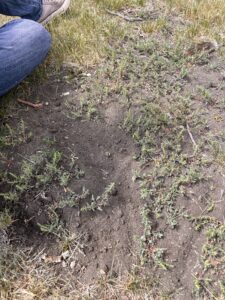
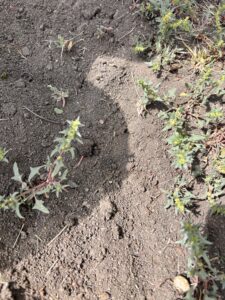
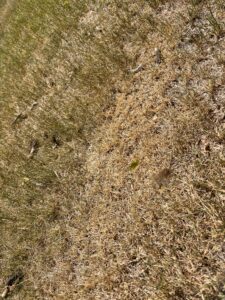
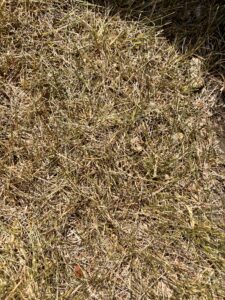 Further away from water compared to ‘Wascana Wet’ samples. Drier environment. Also found in a patch of dirt in a field of grass. Grass is dry compared to the grass found around the ‘Wascana Wet’ samples. Less movement observed from the organism compared to the ‘Wascana Wet’ samples. Arthropod also did not want to surface and remained in the soil.
 (no title)
 Yellowjacket Wasp
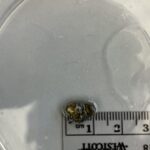 Pillbug
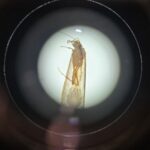 Umpachene Falls Caddisfly
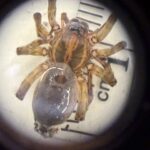 Wolf Spider