Sample information |
|
| Picture |
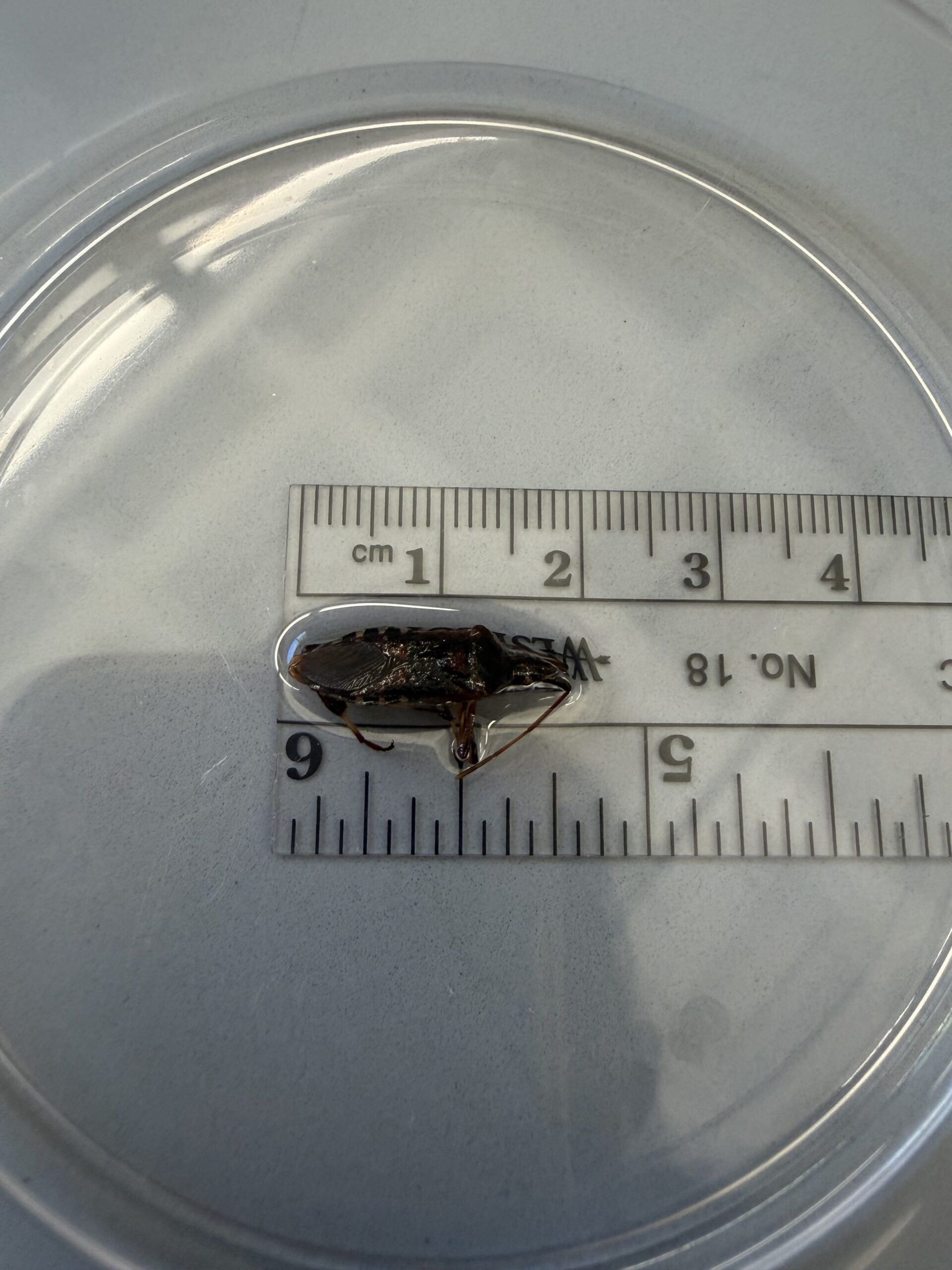
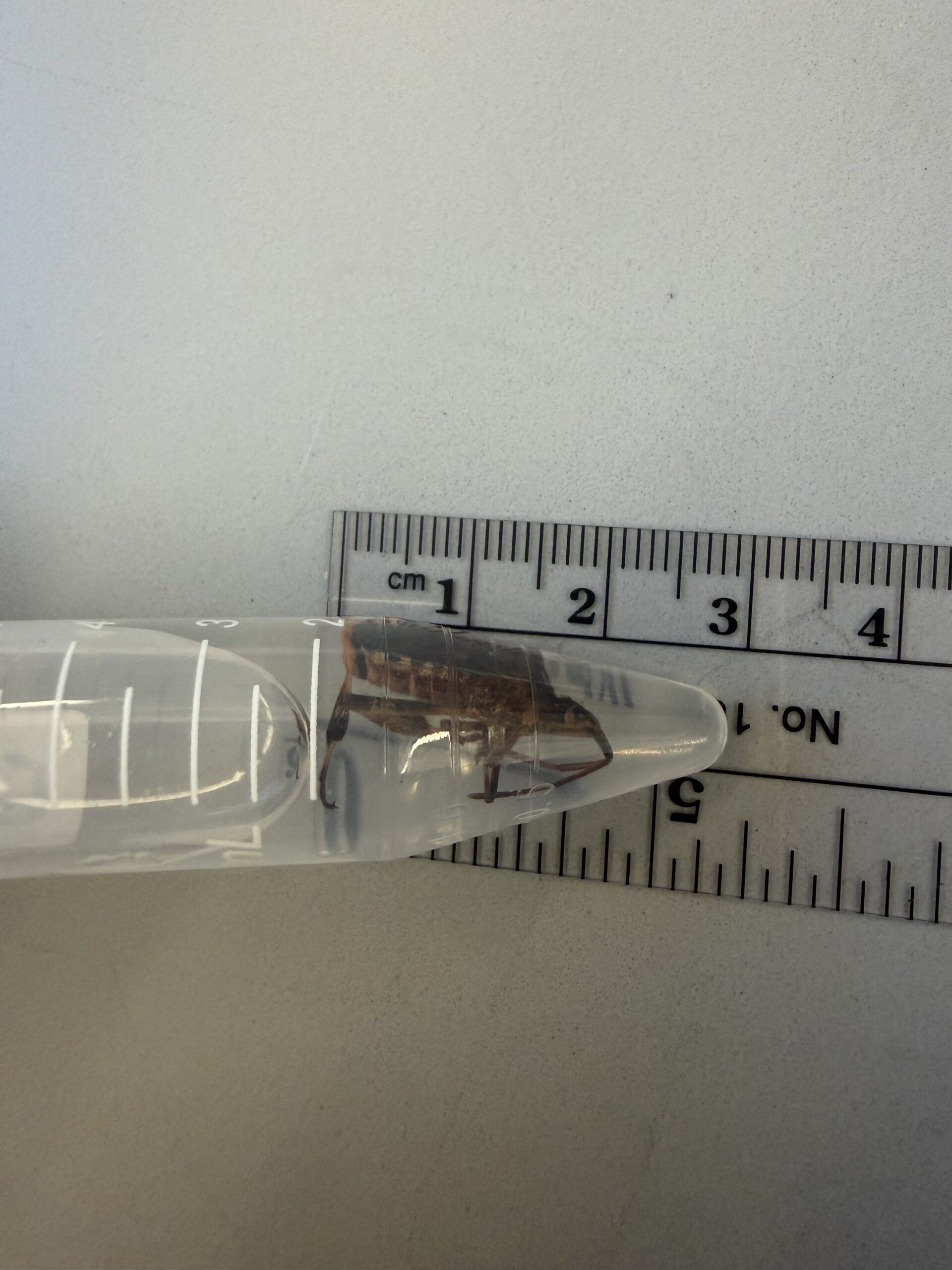
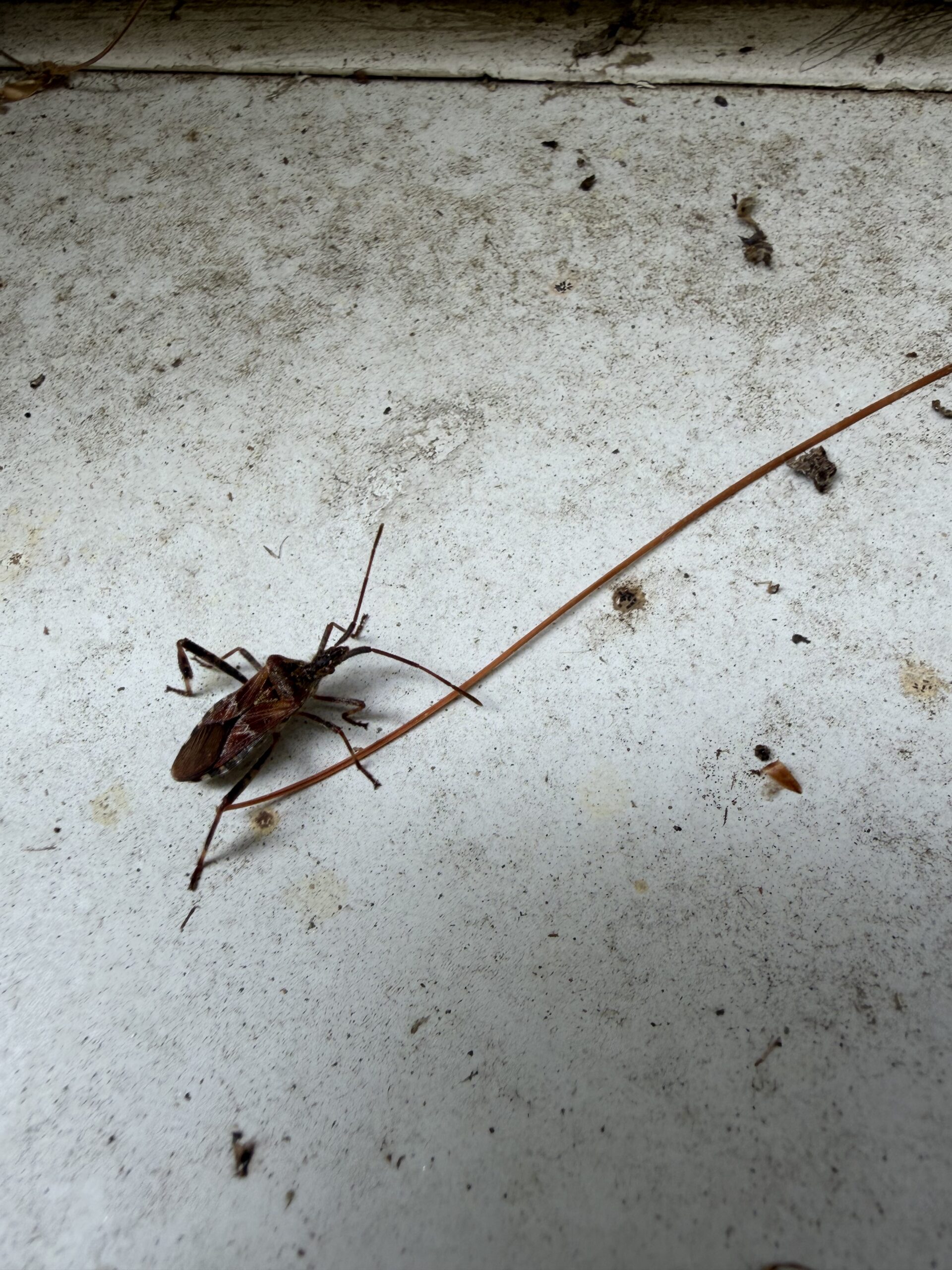
|
|---|---|
| Location | Approximate location: 42.19, -73.19 |
| Collection date | 10/04/2026 |
| Captive / Cultivated? | Wild-caught |
| Group | Berkshire Community College |
| Observations | Caught on the side of my house, facing the woods. There were a few other arthropods of the same kind also on the side of the house. None of them were moving around. |
| Putative identification | Arthropoda Insecta Hemiptera Coreidae Leptoglossus Leptoglossus occidentalis |
Methods |
|
| Extraction kit | Monarch DNA extraction (NEB) |
| DNA extraction location | Abdomen |
| Single or Duplex PCR | Duplex Reaction |
| Gel electrophoresis system | |
| Buffer | |
| DNA stain | |
| Gel images |
|
| Protocol notes | We used DNA extraction protocol based on the insect adaptation of New England Biolab’s Monarch Spin gDNA extraction kit (product #T3010) The specimen was incubated for 45minutes in hot water bath at 56 degrees C.
First PCR reaction was set up on October 20: and was a duplex reaction because we used both arthropod CO1 and Wolbachia 16S primers together. used the annealing temperature of 49 degrees Celcius used Taq polymerase: New England Biolabs OneTaq HotStart quick locad 2x mastermix with standard buffer (#M0488s)
Details that differed from the written protocol were the use of the collection tube sooner than recommended. It was picked up from the sterile bag and left in our tube rack for longer than advised. It was untouched during that time. |
Results |
|
| Wolbachia presence | |
| Confidence level | |
| Explanation of confidence level | |
| Wolbachia 16S sequence | |
| Arthropod COI sequence |
|
| Summary | |
 DEM-EPC
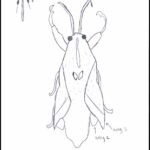 DEM-HED Hemiptera
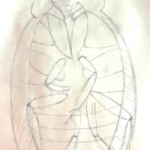 DEMDDB Blattodea
 DEMAMH Hymenoptera
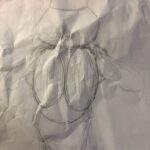 DEMKAP – Diptera